Kyoto’s two famous seasons — cherry blossom in spring and red maples in autumn — are famous for a reason, and also the reason the city can feel overwhelmed. Deciding the best time to visit Kyoto means weighing how much you want those specific images against how much crowding you are willing to absorb to get them. There is a third answer that most guides skip: the quiet months in between, when the same temples are half empty and cost a fraction as much.
Kyoto sits in a basin ringed by mountains, which sharpens every season. Summers are hotter and stickier than Tokyo’s. Winters are colder. Spring and autumn are correspondingly beautiful.
The best time to visit Kyoto: quick verdict
- Late March to mid-April — cherry blossoms. Peak beauty, peak crowds, peak prices.
- Mid-November to early December — autumn foliage. Arguably even busier than spring, and the colour lasts longer.
- May, early June and October — excellent weather, moderate crowds. The sensible compromise.
- Late June to August — hot and humid, but home to Gion Matsuri and the lowest visitor numbers of the warm half of the year.
- January and February — cold, quiet, cheap, and occasionally snow-dusted, which is spectacular.
Spring in Kyoto
Cherry blossom timing
Kyoto’s peak bloom typically falls in the first days of April, though warmer winters have pulled it into late March in recent years. Forecasts released from January onwards narrow the estimate, but the window is short and shifts by several days year to year. Different varieties open at different times, which extends the overall season: early weeping cherries at Maruyama Park, the main somei yoshino peak, then late-blooming trees at Ninna-ji that can carry into mid-April.
The Philosopher’s Path, the Okazaki canal, Arashiyama and the grounds of Heian Shrine are the classic viewing spots, and all of them are shoulder to shoulder at peak. Early mornings — genuinely early, before 07:00 — are the difference between a good experience and a frustrating one. The broader mechanics of tracking the bloom across Japan are covered in our guide to Japan’s cherry blossom season, which is worth reading before you commit to dates.
Late spring
May is quietly one of Kyoto’s best months. The blossom crowds have gone, temperatures sit comfortably in the low to mid twenties, and the fresh green maples at places like Tofuku-ji are striking in their own right. Rates fall back to normal. If you want good weather without the scramble, May is the answer.
Summer in Kyoto
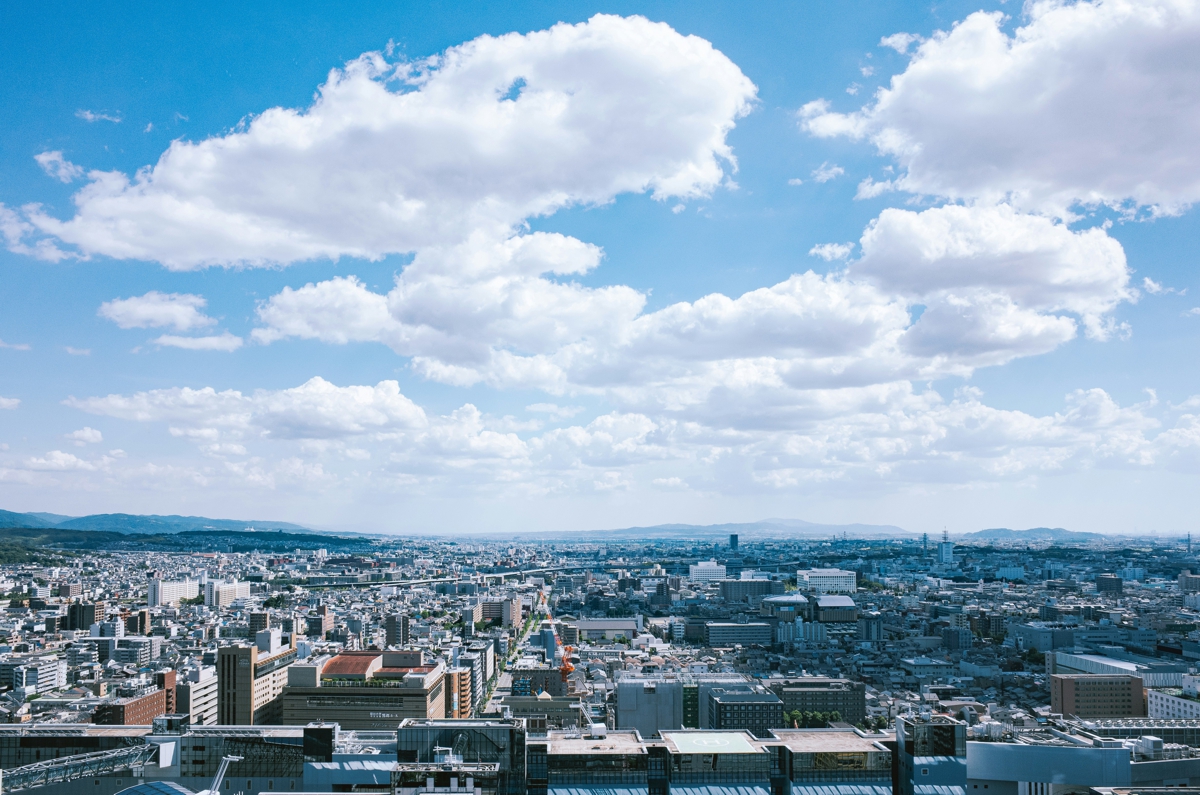
The rainy season arrives in June and usually clears by mid-July. What follows is the hardest weather of the year: highs in the mid thirties with heavy humidity trapped by the surrounding mountains. Temple gardens still look beautiful, but sustained walking is difficult and the hill temples in particular require pacing.
The compensation is Gion Matsuri, held throughout July and one of Japan’s largest festivals. The float processions in mid-July draw enormous crowds, but the evening street events in the preceding days are more relaxed and, for many visitors, more memorable. August brings Gozan no Okuribi, when giant bonfire characters are lit on the hillsides in mid-August to mark the end of Obon.
Summer is the season to build a trip around early mornings and late evenings, with long air-conditioned breaks in the middle. Kifune and Kurama in the northern hills are noticeably cooler than the city floor and make a good escape.
Autumn in Kyoto
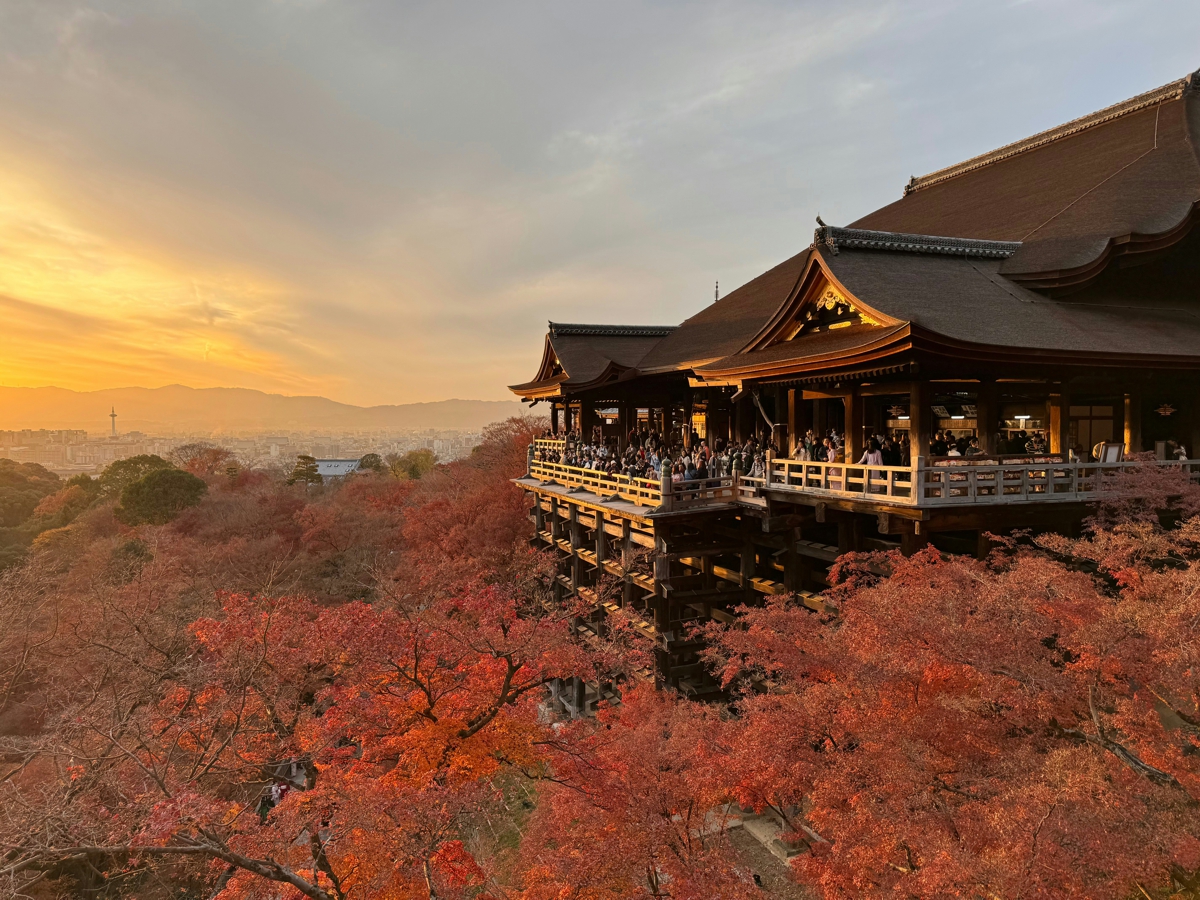
Autumn colour usually peaks in Kyoto around the second half of November, with lower-lying temples turning later than the surrounding hills. The season stretches over several weeks rather than the tight window of spring, which makes it easier to plan for — but it also draws a very large number of domestic visitors, and mid-November weekends at Kiyomizu-dera or Tofuku-ji are extremely crowded.
Weather in October and November is close to perfect: dry, clear, highs in the high teens to low twenties, cool evenings. Many temples run special night illuminations during the foliage season, usually with a separate admission fee on top of daytime entry. Expect to pay around 500–1,000 yen for temple admission generally, with illumination events priced separately.
Beating the autumn crowds
Three tactics work reliably. Go on weekdays rather than weekends. Start at opening time, which is often 06:00 at Kiyomizu-dera and around 08:00 at most other temples. And choose the less-photographed sites — Shisen-do, Enko-ji and Jojakko-ji offer comparable colour to the headline temples with a fraction of the foot traffic.
Winter in Kyoto
January and February are cold, with highs around 8–10°C and occasional snowfall. Snow on the golden pavilion at Kinkaku-ji or on the thatched roofs at Kifune is one of the more remarkable sights in Japan, and it is entirely unpredictable — usually only a handful of settled snow days per winter.
What is predictable is the quiet. Temples that require timed entry in November are near-empty in February. Accommodation is at its cheapest, restaurant reservations are easier, and the light in winter is clear and sharp. Pack properly for the cold and this is a genuinely rewarding time to visit, particularly if you have been before and want to see the city without the queues.
How long to stay and how to plan around the season
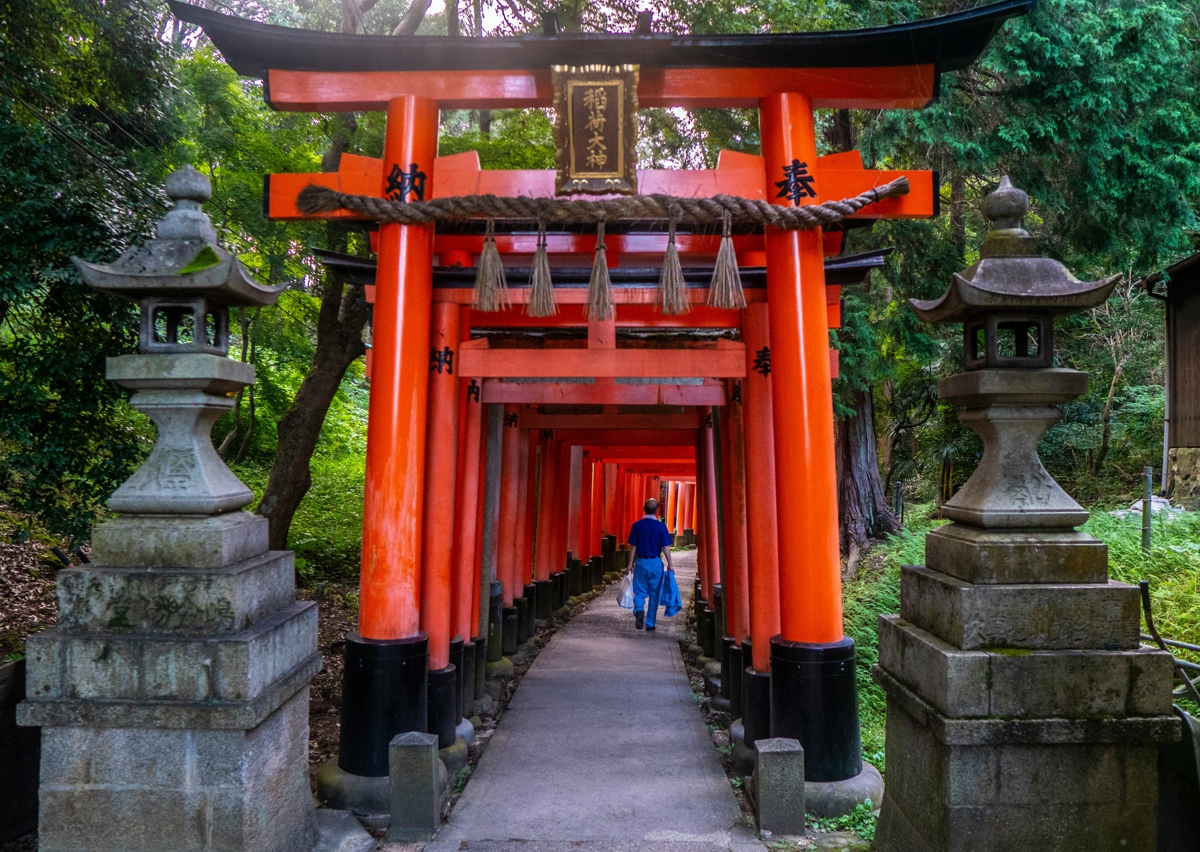
Most visitors underestimate Kyoto and give it a day. Two full days is the practical minimum for the eastern and western temple clusters; three or four lets you add Fushimi Inari at dawn, a day in Arashiyama and time in the northern hills without rushing. If you are working with a short window, our two-day Kyoto itinerary is built to cover the essentials without wasting time in transit.
Whatever the season, base yourself with transport in mind. Kyoto’s bus network is comprehensive but slow and crowded in peak months; being within walking distance of a subway station or the Keihan and Hankyu lines makes a real difference in April and November. Neighbourhood-by-neighbourhood detail is set out in the complete Kyoto travel guide.
Practical notes by season
- Booking — for blossom season and mid-November, book accommodation four to six months ahead. Kyoto has far less hotel capacity than Tokyo and fills completely.
- Temple hours — most temples close by 17:00, earlier in winter. Special evening openings during blossom and foliage seasons are the exception.
- Golden Week in late April and early May brings heavy domestic travel; the weather is lovely but the crowds return.
- Footwear — you will be removing shoes at temple buildings constantly. Slip-ons save a surprising amount of time.
FAQ
When exactly do Kyoto’s cherry blossoms peak?
Usually within the first week of April, sometimes late March in warmer years. Because the date shifts annually, a trip spanning ten days across that window gives much better odds than a fixed short visit.
Is autumn or spring better in Kyoto?
Autumn colour lasts longer and is easier to plan around, so it is the safer choice. Spring is shorter and more of a gamble, but the atmosphere during blossom season is unmatched. Both are crowded.
What is the quietest month in Kyoto?
February. Cold and occasionally snowy, but with the lowest visitor numbers and prices of the year, and temples that feel the way they are supposed to feel.
Can I visit Kyoto as a day trip from Osaka or Tokyo?
From Osaka, yes — the journey takes well under an hour. From Tokyo it is possible by shinkansen but leaves you a rushed day; staying at least one night is far better.
If you want one recommendation: aim for late October or May. You trade the postcard extremes for weather that is just as good, crowds you can manage, and a city that still feels like a place people live in.