
Lisbon has a reputation for good weather that is mostly deserved and occasionally misleading. Deciding the best time to visit Lisbon means weighing three things that rarely align perfectly: temperature, rainfall, and how many other people are trying to get on the same tram. The city sits far enough south to stay mild in January and close enough to the Atlantic to stay bearable in July, but the gap between a well-timed trip and a badly timed one is larger than the temperature chart suggests.
The short version: April to early June and September to October are the strongest windows. The longer version explains why, and what each month actually costs you.
Understanding Lisbon’s weather pattern
Lisbon has a Mediterranean climate with a strong Atlantic influence. That combination produces a very dry summer and a genuinely wet winter, with almost all the year’s rain falling between November and March. Summer highs sit in the high twenties to low thirties, but the Atlantic keeps evenings cool and the humidity manageable – a 30°C day in Lisbon is easier than a 30°C day in Seville or Madrid.
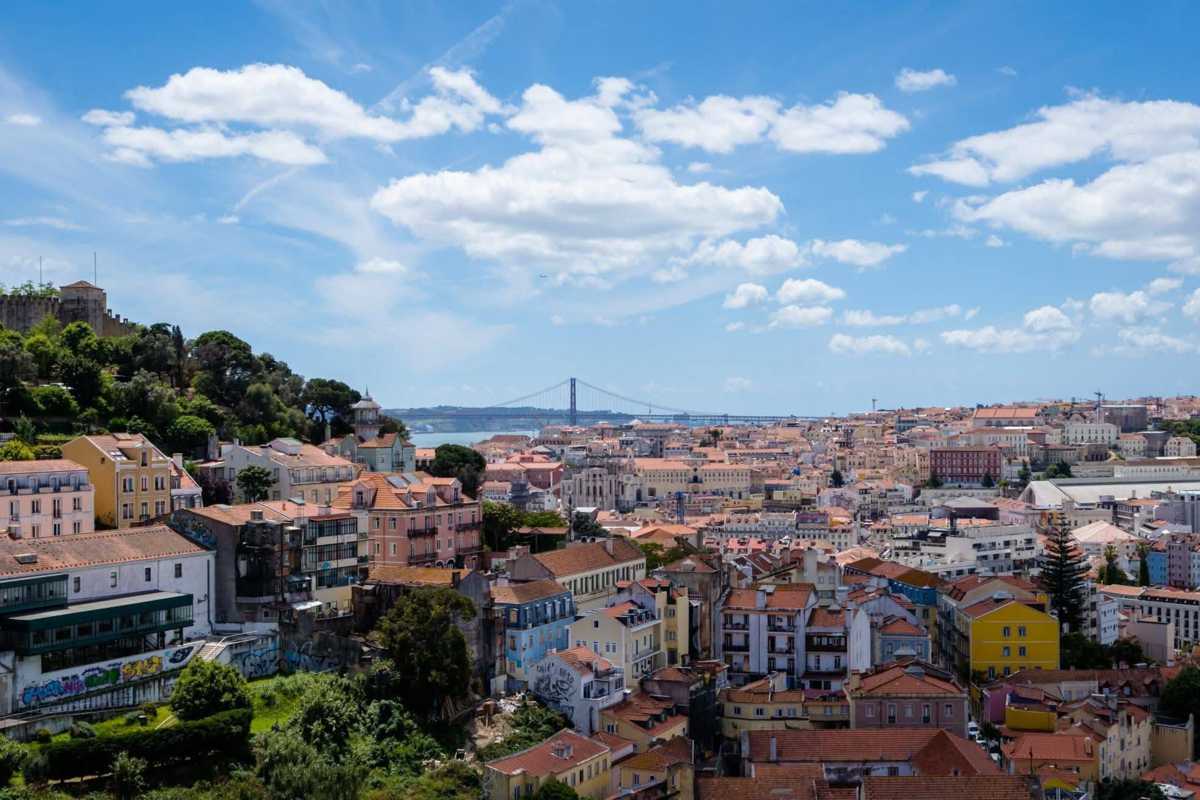
Two local factors matter more than the averages. The first is the nortada, a persistent northerly wind that picks up on summer afternoons and makes the coast at Cascais and Costa da Caparica noticeably cooler and choppier than the city. The second is Lisbon’s topography: the city is built across seven hills, and walking them in August heat is a different experience from walking them in April.
Spring: March to May
Spring is when Lisbon looks its best. Jacaranda trees flower purple across the city in late May, the light is clear, and the miradouros – the viewpoints scattered across the hills – are usable without competing for space. Highs climb from around 18°C in March to 23°C in May, and rainfall drops off sharply after March.
Where spring falls short
The ocean is cold. Atlantic water off Lisbon sits around 15-17°C in spring, which is bracing rather than refreshing. If beach time is central to your trip, spring is not the season. Easter week also brings a price spike and a noticeable jump in visitor numbers, and its dates move each year, so check before booking.
Summer: June to August
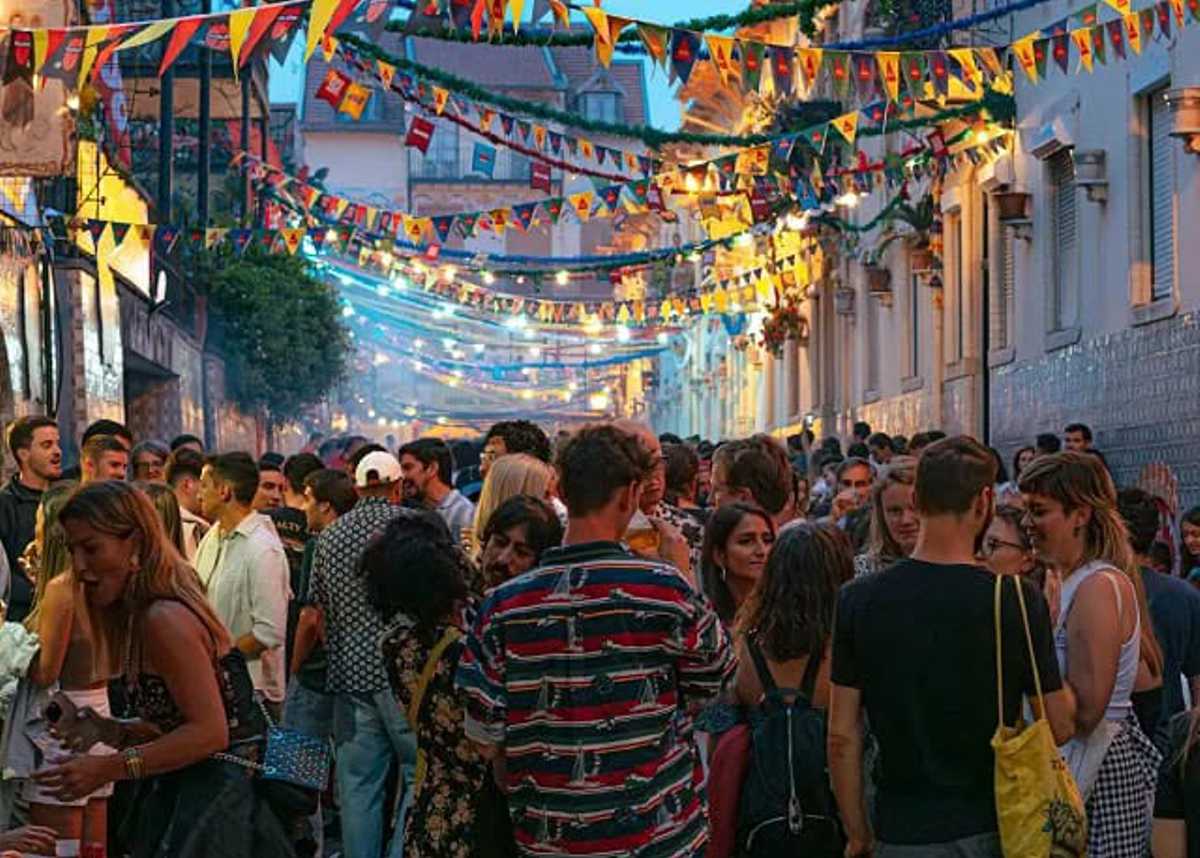
June is the standout summer month and it is not close. Highs of 26-28°C, essentially no rain, the longest days of the year, and – critically – the Festas de Lisboa. The festivities run through the whole of June, but the peak is 12-13 June: the Marchas Populares parade down Avenida da Liberdade on the evening of the 12th, and the Procissão de Santo António through Alfama on the afternoon of the 13th. In between, the old neighbourhoods fill with arraiais – improvised street parties with grilled sardines, cheap wine, paper lanterns and music that runs until dawn. Alfama, Graça, Mouraria and Bica are the ones to aim for.
July and August are hot, dry and busy. Daytime highs of 28-31°C are common, occasional Iberian heat waves push well past that, and the hills become a real consideration when planning a day. The city also empties of locals in August while filling with visitors, which changes its character – some of the best neighbourhood restaurants close for two or three weeks. On the other hand, this is the only stretch when the Atlantic beaches are properly comfortable, with water around 19-20°C and long, reliable sunshine.
Autumn: September to November
September is Lisbon’s quiet best-of-both month. Air temperatures fall back to around 26-27°C, the ocean is at its annual warmest – still only about 19-20°C, but this is as good as the Atlantic gets – and the August crowds thin out from the first week. Rain remains unlikely until the very end of the month.
October is a genuinely good travel month, with highs around 22°C and the first proper rain of the season arriving mid-month. It is also when hotel rates start dropping in a way you can feel. November marks the turn: highs around 17-18°C, considerably wetter, and short days, though the city stays perfectly walkable between showers and prices are among the lowest of the year.
Winter: December to February
Lisbon’s winter is mild and grey rather than cold. Highs sit around 15-16°C with lows near 9°C, and frost is essentially unknown. What you get instead is rain – December through February deliver the bulk of the annual total, usually in multi-day systems rather than brief showers.
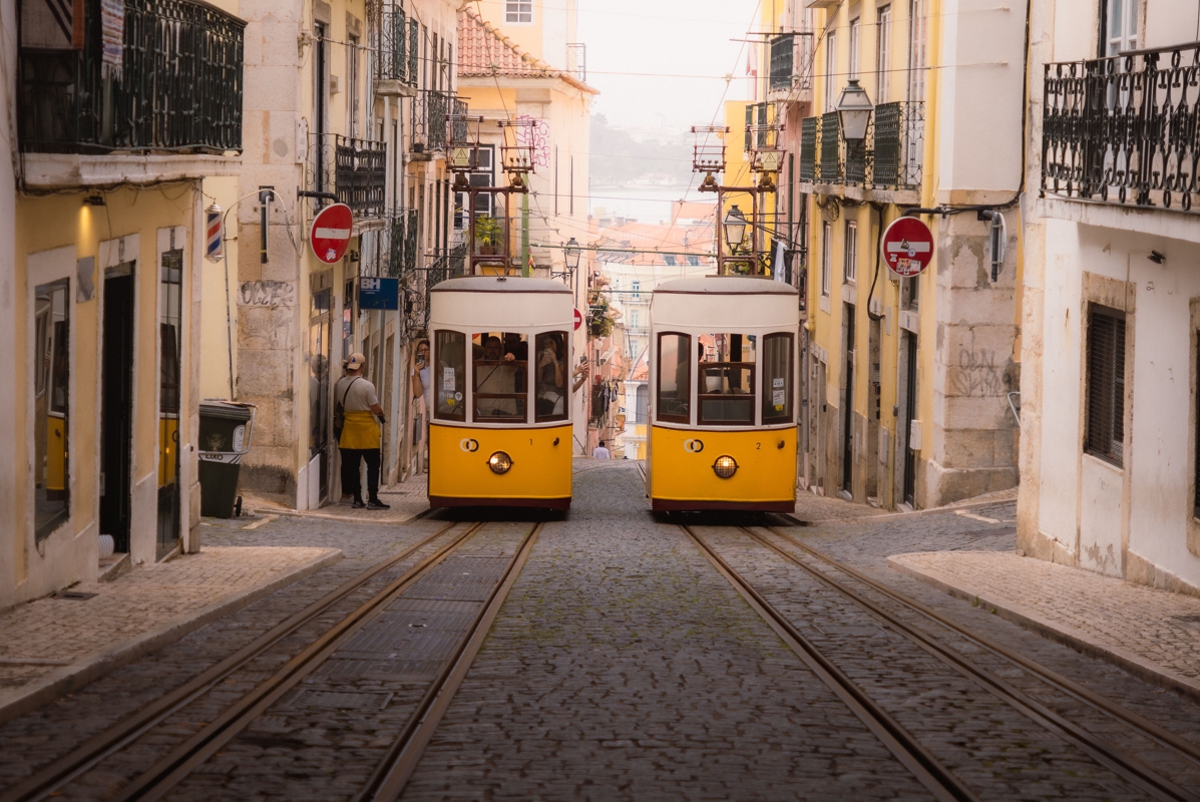
The upside is substantial. This is when Lisbon feels like a working city rather than a destination: no queue for the 28 tram, tables available at restaurants that require booking in June, and hotel prices at their annual floor. If your trip is about food, fado, museums and neighbourhoods rather than viewpoints and beaches, winter is a defensible and cheap choice. Pack a proper waterproof and shoes with grip – Lisbon’s calçada portuguesa pavement is famously slippery when wet.
The Christmas exception
Late December through New Year sees prices rise and the centre fill up. Mid-January and February are the true low season.
How the season changes your day trips
Lisbon is a base as much as a destination, and the surrounding sights respond to the calendar differently from the city itself.
Sintra
Sintra sits in a hilly microclimate that is reliably cooler, mistier and wetter than Lisbon – often by several degrees. In July and August that is an advantage, and it is one of the few places near the capital that stays comfortable in a heat wave. In winter it can mean walking Pena Palace and Quinta da Regaleira in genuine fog. Whatever the month, go early: Sintra’s queues build from mid-morning and the palaces are the single most congested attraction in the region.
The coast and the Arrábida
Cascais and Estoril work year-round as a walk-and-lunch trip, but the beaches only make sense from June to September. South of the river, the Arrábida coast near Setúbal has calmer, warmer water than the exposed Atlantic beaches west of Lisbon, which makes it the better choice in June and again in late September. Access is restricted in peak summer to control crowds, so check current rules before planning around it.
Best time to visit Lisbon: picking your window
- Best all-round weather: May, June, September.
- Warmest ocean: late August and September, around 19-20°C.
- Fewest crowds: mid-January to February, and November.
- Best atmosphere: June, for the Festas de Lisboa.
- Wettest: November through February.
If you can only travel once and want the highest chance of a good trip, aim for the second half of September. You get warm days, the year’s warmest ocean, a functioning local city, and rates well below the summer peak. For everything else you need once the dates are set – where to stay, how the transport works, what to budget – see our full Lisbon travel guide, and if you are working with a long weekend, the 3-day Lisbon itinerary handles the hill-climbing logistics so you are not crossing the city twice in a day.
FAQ
What is the rainiest month in Lisbon?
November and December are typically the wettest, with rain arriving in multi-day Atlantic systems. July and August are close to rainless.
Is the sea warm enough to swim near Lisbon?
The Atlantic is cold by Mediterranean standards. Water peaks around 19-20°C in late August and September. It is swimmable in high summer but never warm, and the coast is often windier than the city.
When is the Santo António festival?
The Festas de Lisboa run across all of June, with the peak on the night of 12 June (Marchas Populares on Avenida da Liberdade) and the procession on 13 June in Alfama. Book accommodation well in advance for that week.
Is winter a bad time to visit Lisbon?
Not if your priorities are food, museums, fado and neighbourhoods. Expect rain and short days, but also the lowest prices, no queues at major sights, and daytime temperatures that stay around 15°C.




Recent Comments