
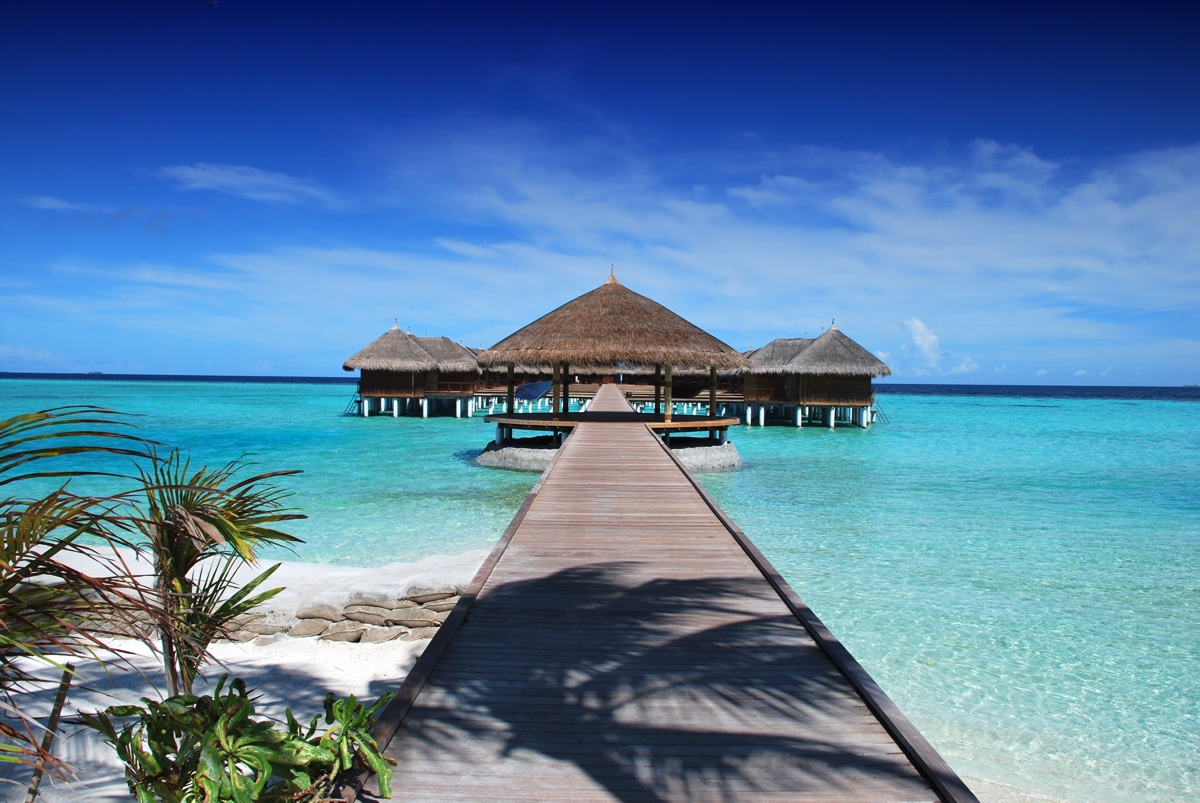
Bali runs on two seasons, not four, and knowing which one you are walking into changes almost everything about the trip — what you pack, what you pay, and whether that clifftop sunset actually happens. The best time to visit Bali for reliable sunshine is the dry season from April to October, but that answer hides a lot of useful detail. The wet months are not a write-off, and some of the island’s better weeks sit right on the edges of the two seasons.
Bali sits just 8 degrees south of the equator, so temperature barely moves all year: coastal lows hover around 24°C and highs around 31°C in every single month. What changes is rain, humidity, sea conditions and crowd volume.
The best time to visit Bali at a glance
If you want one recommendation: May, June and September. These are the shoulder months of the dry season. You get dry-season weather without the July–August price spike and without the queues at Tanah Lot and Tirta Empul.
- April to October — dry season. Low rainfall, lower humidity, calmer seas on the west and south coasts.
- November to March — wet season. Heavy afternoon downpours, high humidity, lush landscapes, lowest prices.
- July and August — peak season. Best weather, worst traffic, highest room rates.
- January and February — wettest weeks of the year, with January averaging roughly 300–350 mm of rain.
Dry season in Bali: April to October
The dry season is driven by winds coming off the Australian landmass. They arrive with little moisture, which means long stretches of blue sky, humidity that sits at a bearable level, and reliable sunsets from Uluwatu to Canggu.
April and May
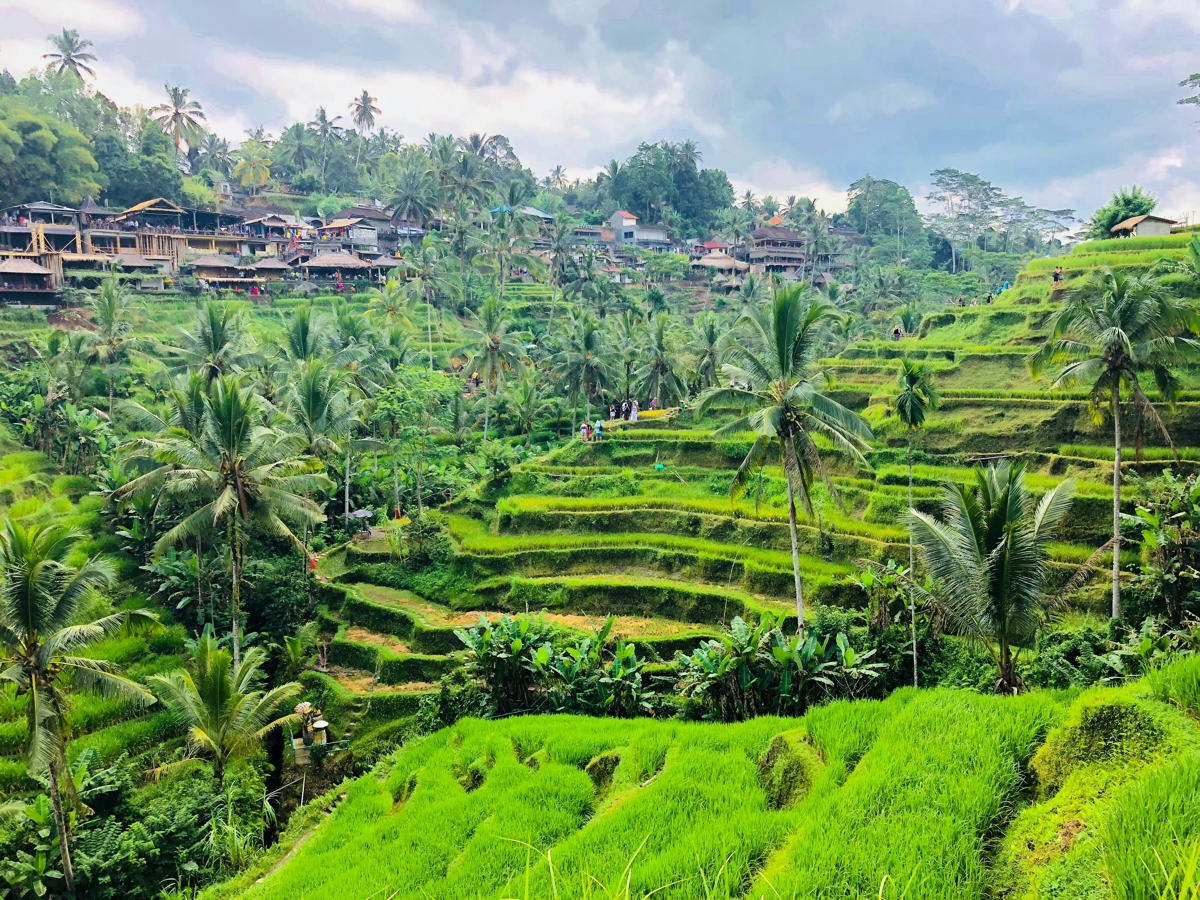
April is the transition month. The rain has mostly stopped but the landscape is still green from the wet season, which is the best of both worlds for photographers heading to the rice terraces around Tegallalang or Jatiluwih. May is arguably the single best month on the island: dry, quiet, and prices have not yet jumped. Sea visibility around Nusa Penida and Amed is already improving.
June, July and August
These are the driest months. August typically records only 15–40 mm of rain across the whole month. It is also when European summer holidays, Australian school breaks and Indonesian domestic travel all overlap. Expect the Canggu–Seminyak road to crawl, expect popular restaurants to require bookings several days ahead, and expect accommodation to run 30–60% above shoulder-season rates. Book early or move inland.
September and October
September is the quiet twin of May. The crowds thin noticeably after the first week, the weather holds, and rates come back down. October starts to see the first afternoon showers return, usually short and confined to late afternoon. If you can tolerate an occasional wet hour, October offers dry-season conditions at wet-season prices for the first two or three weeks.
Rainy season in Bali: November to March
The wet season gets a worse reputation than it deserves. Rain in Bali is not a grey British drizzle that lasts all day. It typically arrives as a heavy, warm downpour in the afternoon or overnight, lasts one to two hours, and then clears. Mornings are frequently bright.
January is the peak, with roughly 300–350 mm falling across the month and multi-day stretches of grey weather being genuinely possible. February follows at around 250–300 mm, and March eases to 200–250 mm as the season winds down. Humidity is high throughout — if you are sensitive to muggy air, this matters more than the rain itself.
What the wet season is good for
- Price. Villas and hotels drop substantially outside the Christmas and New Year window. Flights follow.
- Landscape. Waterfalls in the north around Munduk and Sekumpul run at full volume. Rice fields are at their greenest.
- Space. Temples, cafés and beaches that are shoulder-to-shoulder in August feel like a different island.
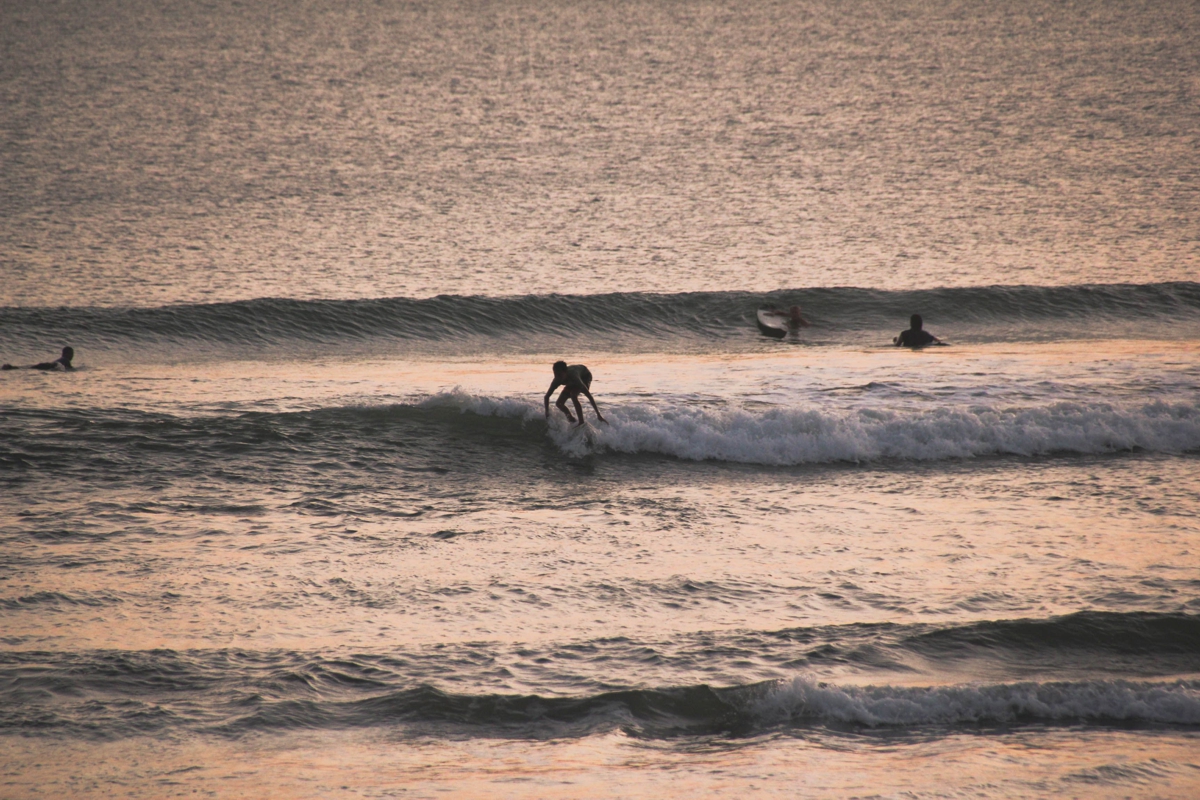
- East-coast surf. Wind direction reverses, so breaks on the east side like Keramas and Nusa Dua come alive while the west coast goes choppy.
What to watch for
Diving and snorkelling visibility drops with runoff, especially near river mouths. Boat crossings to the Gili Islands and Nusa Penida are occasionally cancelled in rough weather — build a buffer day into your plans if you have a flight to catch. Some beaches on the west coast collect plastic debris carried in by currents during these months, particularly around Kuta and Legian. And if you are planning a multi-stop route, the seasonal trade-offs are worth mapping out alongside a full comparison of Bali’s dry and rainy seasons before you commit to dates.
Festivals and dates that affect your plans
Nyepi, the Day of Silence
This is the one date that can genuinely disrupt a trip, and it moves each year with the Balinese saka calendar. In 2027 Nyepi falls on 9 March. For 24 hours the entire island shuts down: no flights in or out, the airport closes, shops and restaurants are shut, streets are empty, and hotels ask guests to stay on the property with lights dimmed. Nobody is exempt, including tourists.
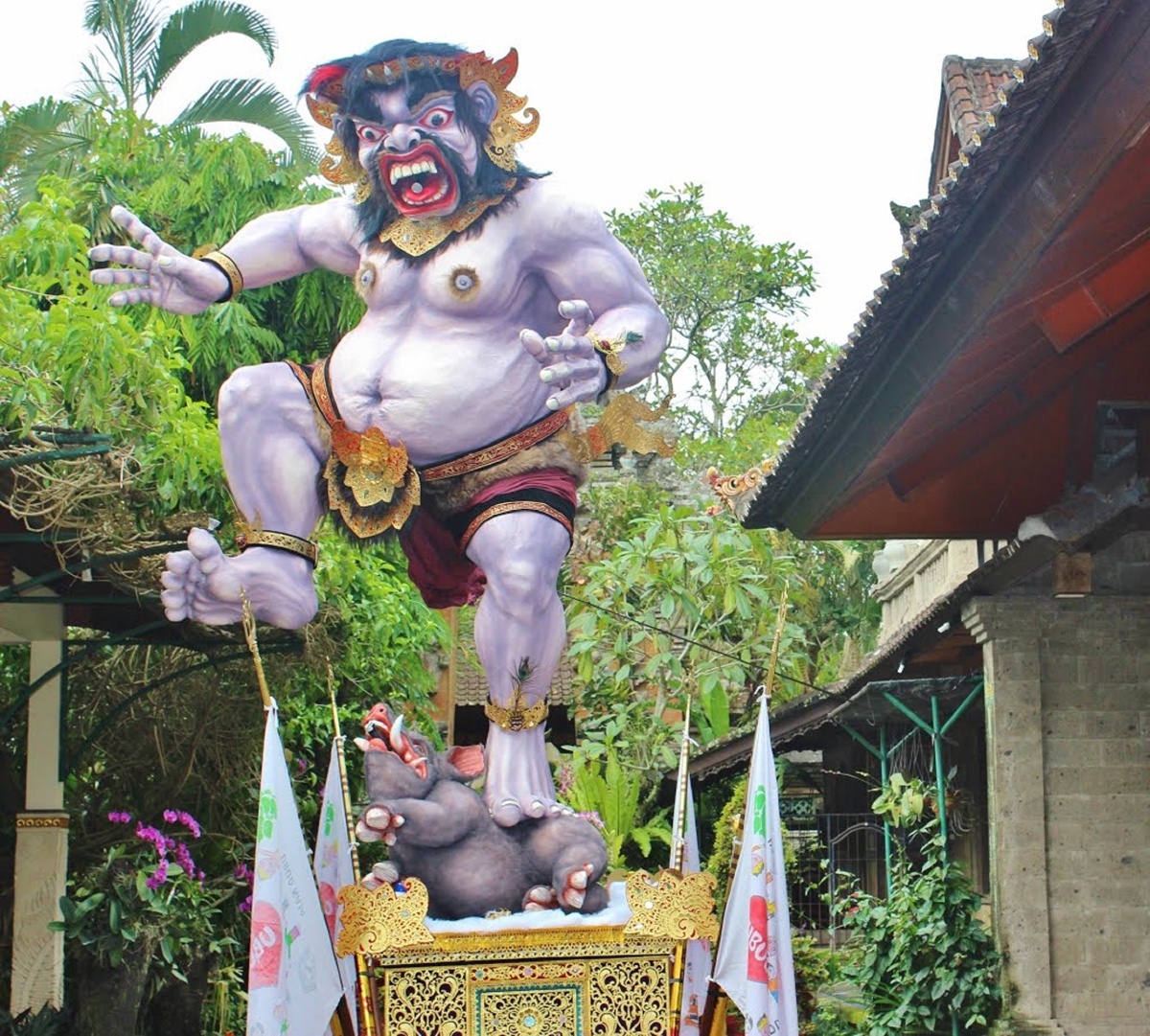
Handled right, it is remarkable. The night before brings the Ogoh-Ogoh parades, with enormous demon effigies carried through every village, and the night of Nyepi itself delivers one of the clearest skies you will ever see because there is no artificial light anywhere on the island. Just do not schedule your arrival or departure for that day.
Galungan and Kuningan
These fall roughly every 210 days and last ten days. Villages line the streets with tall decorated bamboo poles called penjor and temples are busy. Some businesses close briefly, but nothing shuts down the way it does for Nyepi.
Christmas and New Year
Mid-December to early January is a strange pocket: it is the middle of the wet season but also one of the most expensive and crowded windows of the year, driven by Australian and Indonesian holidaymakers. You get wet-season weather at peak-season prices. Most travellers are better served avoiding it.
Choosing by what you want to do
Surfing
The west and south coasts — Uluwatu, Padang Padang, Balangan, Canggu — are at their best from April to October when offshore winds groom the swell. From November to March the wind swings and the east coast takes over. Beginners get the friendliest conditions at Kuta and Seminyak in the shoulder months.
Diving and snorkelling
April to October gives the best visibility. Mola mola (oceanic sunfish) appear around Nusa Penida roughly from July to October, drawn by cold upwellings, and manta rays are easiest to reach in calm dry-season seas. Water sits at 26–28°C year-round.
Hiking and volcano sunrises
The Mount Batur sunrise trek needs clear skies to be worth the 2 am start. Dry-season odds are far better. Trekking companies still run in the wet season, but a cloudy summit is a real possibility and refunds are rare.
Wellness, yoga and long stays
Ubud works in any season, and the wet-season rates on villas make longer stays considerably cheaper. If your days are structured around indoor practice, cafés and co-working rather than beaches, November to March is a sensible trade. Working out how those days fit together is easier with a tested route — our ten-day Bali itinerary shows how to balance Ubud, the south coast and the islands without doubling back.
Practical planning notes
Pack a light rain shell for anything between October and April, reef-safe sunscreen year-round, and something with sleeves for temple visits — sarongs are usually provided at entrances but shoulders should be covered. Traffic between the airport and Ubud regularly takes two hours or more regardless of season, so do not schedule anything tight on arrival day. Everything else — visas, money, getting around, where to base yourself — is covered in our full Bali travel guide.
FAQ
What is the cheapest month to visit Bali?
February is typically the cheapest, sitting in the heart of the wet season and well clear of the Christmas rush. Expect the lowest villa and flight prices of the year, alongside the highest rainfall.
Is Bali worth visiting during the rainy season?
Yes, with adjusted expectations. Rain usually falls in concentrated afternoon bursts rather than all day, prices drop sharply, and the island is far less crowded. Build flexibility into your days and keep boat crossings away from your flight dates.
Which month has the best weather in Bali?
August has the least rain, but June, July and September are all close behind and considerably more comfortable in terms of crowds. If weather alone is the priority, any month from June to September will deliver.
How far in advance should I book for July and August?
Three to six months for accommodation and flights. Villas in Uluwatu, Canggu and Ubud fill earliest.
The short version: pick May, June or September if you can be flexible, accept the crowds if July and August are your only option, and do not dismiss the wet season if you value quiet and value for money over guaranteed sunshine. Bali is warm every single week of the year — the rest is a trade-off you get to choose.




Recent Comments