
A Schengen visa is the single short-stay permit that lets you travel across most of Europe on one document instead of applying country by country. Whether you actually need one depends entirely on your nationality, and the application itself is more about paperwork and timing than luck. This guide walks through who needs a Schengen visa, how the application works, and the rules that trip travelers up most often.
What the Schengen Area actually covers
The Schengen Area is a group of European countries that have abolished border checks between one another, so you can cross from one to the next without showing a passport. As of 2026 it includes 29 countries, covering almost all of the European Union plus Iceland, Norway, Switzerland, and Liechtenstein. Because internal borders are open, a single visa issued by one member is generally valid for travel throughout the whole area.
That convenience is exactly why the Schengen visa exists as one document. You do not need a separate permit for France, Italy, and Spain on the same trip; one short-stay visa covers the lot. If Europe is new to you, it is worth reading a broader starter guide to visiting Europe for the first time alongside this, because the visa is only one piece of the planning puzzle.
Several European countries sit outside Schengen and set their own rules, so a Schengen visa does not cover them. North Macedonia is one example; see its visa requirements if it is on your route.
Who needs a Schengen visa and who does not
Many travelers do not need a visa at all for short visits. Citizens of the United States, Canada, the United Kingdom, Australia, Japan, and dozens of other countries can currently enter the Schengen Area visa-free for tourism or business for up to 90 days. Nationals of many other countries, however, must apply for a short-stay Schengen visa before they travel, and the list is long enough that the only reliable step is to check your own passport’s status with the consulate of your destination.
An important change is on the horizon for the visa-free group. Travelers who currently enter without a visa will eventually need an ETIAS travel authorization, a quick online pre-screening rather than a full visa. Its launch has been repeatedly delayed and, as of mid-2026, is expected around 2027, so for now visa-free visitors still travel with just a valid passport.
The 90/180 rule
Whether you travel visa-free or with a Schengen visa, the same limit applies: you may stay a maximum of 90 days within any rolling 180-day period across the entire Schengen Area combined. The word “rolling” matters. On any given day, count back 180 days and add up how many you have already spent inside Schengen; if it exceeds 90, you have overstayed. Since the Entry/Exit System became fully operational in April 2026, entries and exits are recorded digitally, so miscounting is far riskier than it used to be.

How to apply for a Schengen visa

If your nationality requires a Schengen visa, the process is methodical. Apply through the consulate or visa center of the country where you will spend the most time, or your first point of entry if your nights are evenly split. Applications generally open several months before travel, and you should submit well ahead because appointment slots and processing can take weeks, especially in peak season.
The core documents rarely change: a completed application form, a passport that meets the validity rules, recent passport photos, proof of travel insurance covering at least EUR 30,000 in medical costs, confirmed flight and accommodation bookings or an itinerary, proof of sufficient funds, and evidence of your ties to home such as employment or study. Consulates want to see a clear, funded plan and a reason to return home.
Common reasons applications are refused
Most refusals come down to gaps rather than bad luck: insufficient funds, an itinerary that does not add up, missing insurance, or a passport that fails the validity rules. Because the passport is the foundation of everything, it is worth confirming the passport validity rules that apply to European entry before you book anything. A passport that is too old or too close to expiry can sink an otherwise perfect application.
Timing, fees, and after you arrive
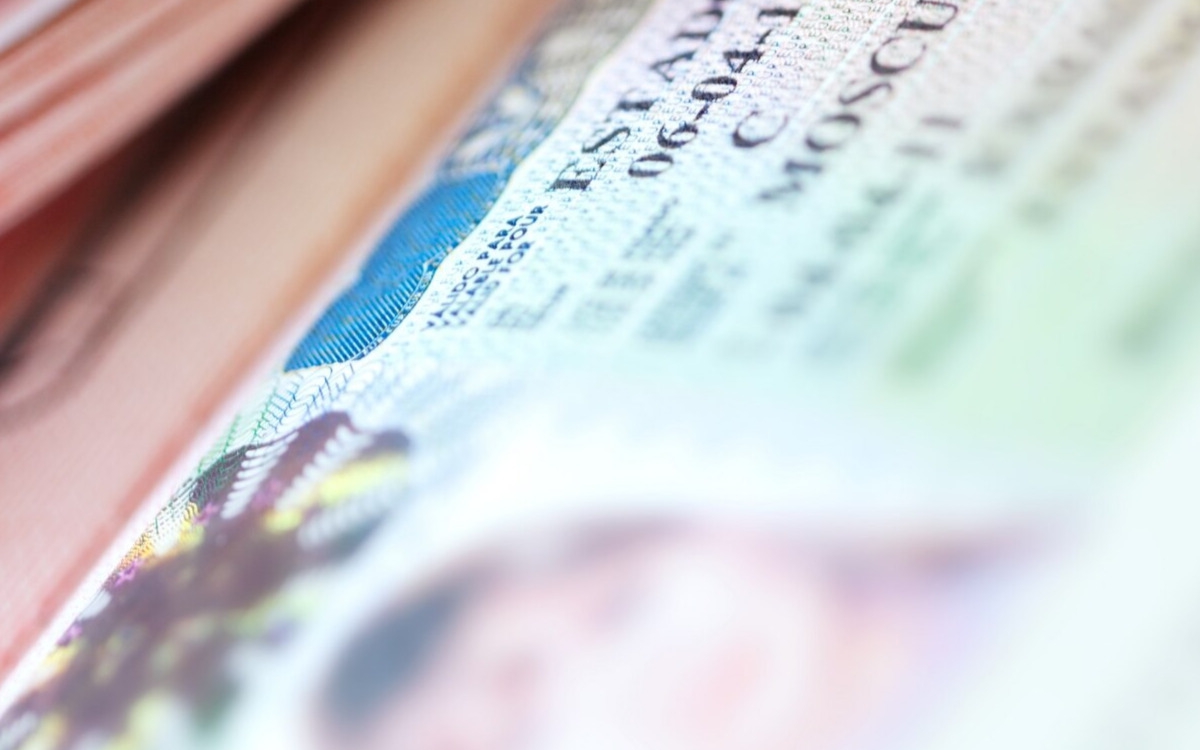
Plan on applying roughly one to three months before departure. Standard short-stay Schengen visa fees are modest and reduced for children, though visa-center service charges add a little on top. Once granted, check the sticker carefully: it shows the number of entries allowed, the validity window, and the maximum number of days. Overstaying, even by a few days, can lead to fines or future entry bans, so treat the dates as firm.
With the visa sorted, the fun part begins. A well-structured route helps you make the most of the 90-day allowance, and a ready-made two-week Europe itinerary for first-timers is a practical starting point for shaping where those days go. Handle the paperwork early and the rest of the trip becomes planning rather than paperwork.
Multiple-entry visas and longer stays
Not every Schengen visa is the same shape. A single-entry visa lets you enter the area once; once you leave, it is spent, even if days remain. A multiple-entry visa allows you to come and go repeatedly within its validity, which suits travelers hopping in and out of the region or combining Schengen countries with nearby non-Schengen ones. Frequent visitors with a clean travel history can sometimes be granted longer-validity multiple-entry visas covering several years, though the 90/180 stay limit still applies each time.
If your plans stretch beyond 90 days, a short-stay Schengen visa is the wrong tool entirely. Long stays for work, study, or extended living require a national long-stay visa or residence permit from the specific country involved, applied for separately and with different requirements. Trying to string together back-to-back short stays to live in the area is not permitted, and the digital entry-exit records now make overstaying far easier for authorities to spot.
Practical timing tips
A little scheduling discipline prevents most Schengen headaches. Book your consulate or visa-center appointment as early as it opens, since slots in busy seasons vanish weeks ahead. Assemble your documents in a single folder, print confirmations rather than relying on screens, and keep copies of everything you submit. If your travel dates are flexible, applying in a quieter period often means faster processing and less stress. Above all, never buy non-refundable flights before your visa is approved, however tempting a fare looks.
After you receive the visa
Approval is not quite the finish line. When you collect your passport, check the visa sticker carefully against your plans: the validity window, the number of permitted entries, and the maximum days should all match what you applied for, and errors do occasionally happen. Carry proof of your onward or return travel, accommodation, and insurance when you fly, because border officers can ask to see them even with a valid visa in hand. Treat the visa’s dates and conditions as firm limits, not suggestions, and your entry into Europe should be smooth.
FAQ
Can I enter one Schengen country and travel to others?
Yes. A short-stay Schengen visa is generally valid across all 29 member countries, so you can move freely between them without additional visas, subject to the 90/180 day limit.
How long does a Schengen visa take to process?
Consulates typically decide within about 15 calendar days, but it can stretch longer in busy periods or if extra documents are requested. Apply well in advance and never book non-refundable travel before your visa is approved.
Do children need their own Schengen visa?
Yes, each traveler needs their own application, including minors, though fees are usually reduced or waived for children depending on age. Additional documents such as birth certificates and parental consent may be required.
Is travel insurance mandatory for a Schengen visa?
For applicants who need a visa, yes. You must show medical travel insurance covering at least EUR 30,000, valid across the Schengen Area for your entire stay. Visa-free visitors are not legally required to hold it but are strongly advised to.