

A good multi city trip planner approach turns what feels like chaos, several destinations, multiple bookings and a web of connections, into a calm, logical sequence. Visiting three, five or eight places in one trip is one of travel’s great pleasures, but it is also where plans most often unravel: mismatched transport, wasted backtracking and days lost to logistics. This guide lays out a method for stringing cities together smoothly, so you spend your energy exploring rather than untangling your own itinerary.
Start With the Route, Not the List
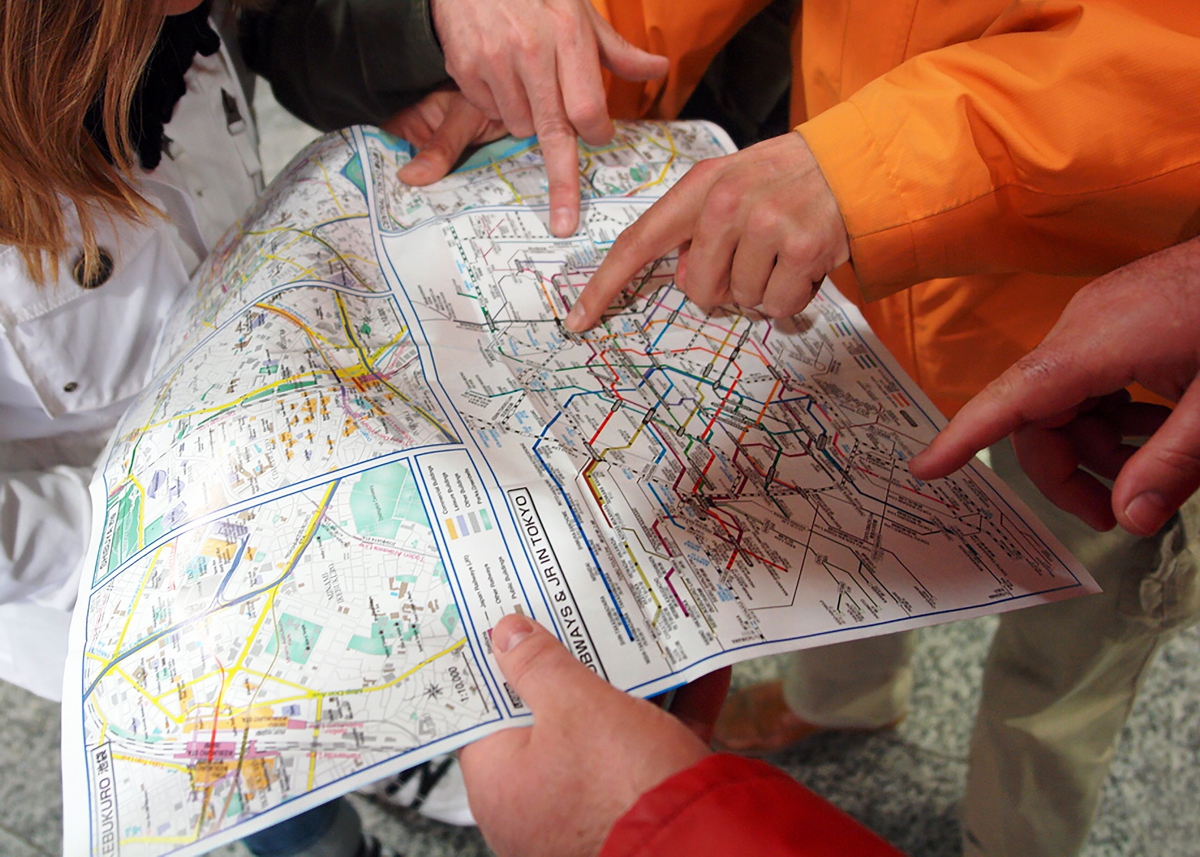
The most common mistake is to make a wish list of cities and only later worry about how they connect. Flip that around. Plot your candidate destinations on a map first, then design a route that flows in one logical direction, a line or a loop, rather than crisscrossing back and forth. Every time your path doubles back on itself, you pay twice: once in money and once in time. A well-shaped route can include the same number of cities for far less of both.
Think about your entry and exit points early. Flying into the first city and out of the last, an open-jaw booking, usually beats returning to your starting point just to fly home. This single decision often saves a full day and a chunk of your budget, and it is the backbone of any efficient multi-city plan.
Decide How Many Stops Is Realistic
Enthusiasm leads people to cram in too many cities, and the result is a blur of train stations and hotel check-ins. As a rough guide, give each meaningful destination at least two or three nights, because a single night means you arrive tired, sleep, and leave before you have seen anything. Fewer places, properly experienced, almost always beat a frantic dash through many. Build the route around depth, not a checklist.
Connect the Cities the Smart Way
Once your route is set, choose the transport for each leg. In compact regions, trains and buses between nearby cities are often faster and more pleasant than flying once you count airport time, while longer hops may call for a budget flight. Book the fixed legs early for the best prices, and keep your connections realistic; a tight transfer that looks fine on paper becomes a crisis when a train runs late.
Mind Your Layovers and Transfers
Where flights are involved, give yourself sensible margins. A connection that is too short risks a missed onward flight and a ruined day, while an enormous one wastes time you could be exploring. Our guide to how long a layover you really need helps you judge the sweet spot for different situations, including whether you will need to clear immigration or change airports. The same thinking applies to train and bus transfers: build in buffer time, especially when a delay on one leg would cost you a booked, non-refundable connection.


Keep the Logistics From Overwhelming You
The reason multi-city trips feel stressful is the sheer number of moving parts, so the fix is a single source of truth. Put every booking, confirmation number, address and transfer time into one document or trip-organizer app, ordered by date. When everything lives in one place, you stop the frantic email searches and can see your whole trip at a glance. This is also where you will spot problems early, like a checkout that clashes with a train departure.
Book accommodation near your arrival and departure points in each city to cut down on cross-town scrambles with luggage. Note the check-in and check-out times for every stay, since these, more than anything, dictate the real rhythm of your days. And leave a little slack: a spare afternoon in each city absorbs the inevitable delays and lets you enjoy a place instead of racing its clock.
Budget and Pack for Movement
Multi-city trips carry costs that single-destination holidays do not, so budget for the movement itself. Each leg means a transport fare, and each new city may involve a transfer from the station or airport and a fresh set of local tickets. These add up quickly, so list every connection and price it in rather than discovering the total on the road. The upside is that clever routing, overland legs between nearby cities and open-jaw flights, can keep this line surprisingly modest if you plan it deliberately.
How you pack matters more than usual when you change base every few days. The traveler hauling a large suitcase up and down station stairs several times a week quickly regrets it, while the one with a single carry-on moves freely, walks from the station to the hotel, and never waits at a baggage belt. Pack light enough to manage your own bags comfortably on stairs, cobbles and crowded platforms, and choose a bag you can carry rather than only wheel. On a trip built around frequent movement, mobility is worth more than an extra outfit.
Reconfirm Everything the Night Before
With so many connections, a quick nightly ritual pays off. Each evening, check the next day’s departure time, platform or terminal, and how long it takes to get there. Transport schedules change, platforms move, and a strike or engineering works can rearrange your plans; catching that the night before gives you time to adapt calmly instead of discovering it as you arrive, luggage in hand, to a cancelled service. Five minutes of checking prevents most multi-city disasters.
Fit It Into the Bigger Plan
A multi-city trip is still a trip, and the fundamentals of budgeting, booking and packing all apply. Our step-by-step guide to how to plan a trip covers those foundations, and for inspiration on how experienced travelers pace multi-stop routes, our two-week Europe itinerary and Southeast Asia itinerary show well-shaped routes you can adapt. Studying a route that already flows well is the fastest way to design your own.
Enjoy the Rhythm, Not Just the Destinations
Once the logistics are handled, a multi-city trip develops a rhythm of its own: arrive, settle, explore, move on, and begin again somewhere new. That rhythm is part of the pleasure, the sense of momentum and discovery that a single-base holiday cannot match. The planning exists precisely so you can relax into it, trusting that the connections are booked and the next bed is waiting, and simply enjoy the changing view. Get the structure right in advance and the trip feels not chaotic but wonderfully alive, each city a fresh chapter rather than another problem to solve.
FAQ
How many cities should I visit in one trip?
It depends on your total time, but a good rule is to give each destination at least two or three nights. Fewer cities experienced properly beat many cities rushed. For a two-week trip, three or four stops is usually a comfortable, rewarding number.
Is it cheaper to book a multi-city flight or separate tickets?
It varies. A single multi-city booking is sometimes cheaper and simpler, but separate one-way tickets, occasionally on different airlines, can undercut it. Price both ways before deciding, and factor in the convenience of having everything on one ticket.
How do I avoid backtracking on a multi-city trip?
Plot your cities on a map and design a route that moves in one direction, a line or a loop, rather than crossing back over itself. Fly into your first city and out of your last so you never return just to depart.
What is the best way to keep a multi-city itinerary organized?
Keep everything in one place: a single document or trip-organizer app listing every booking, address and transfer time in date order. One source of truth removes most of the stress of managing many moving parts.

Recent Comments