
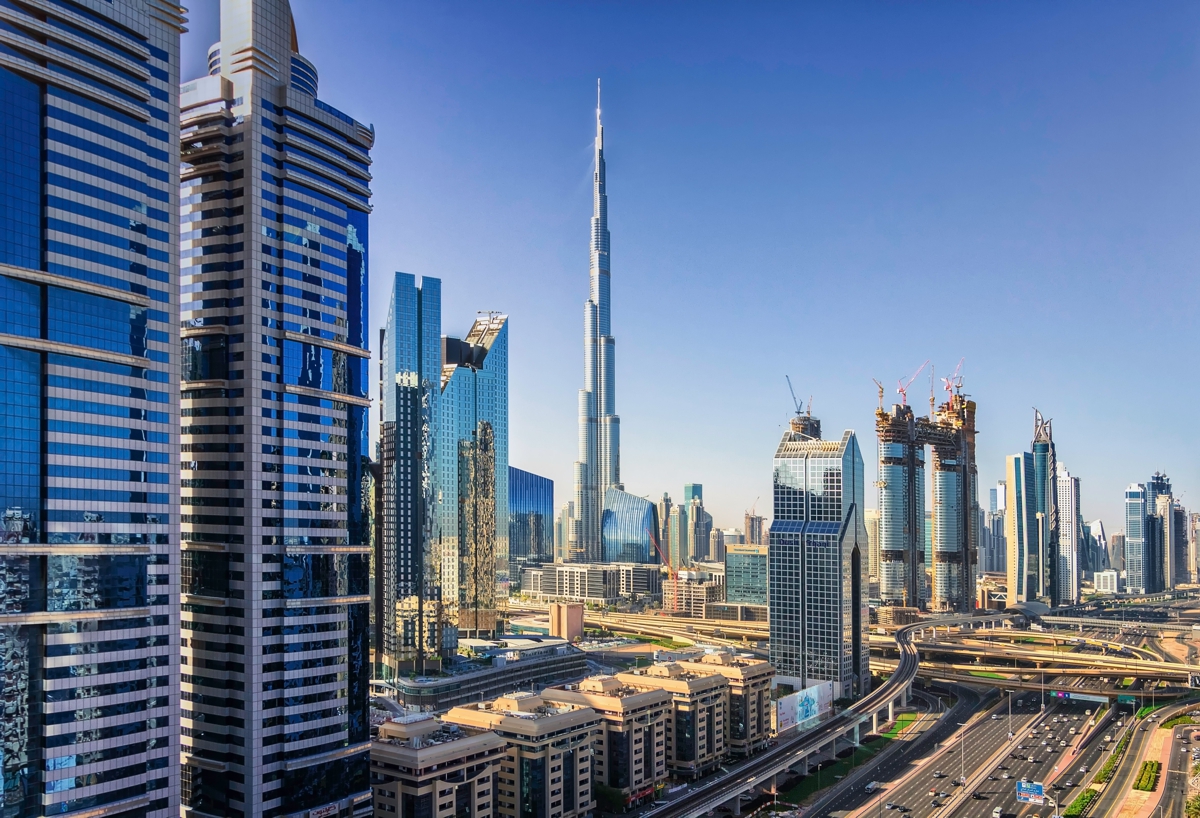
Dubai’s climate is the most decisive factor in planning a trip there, more so than in almost any other major destination. The best time to visit Dubai is a narrow, well-defined window – roughly November through March — and the reason is simple: for four months of the year the city is too hot to spend meaningful time outdoors. July and August routinely push past 43°C, with average highs around 41°C and humidity that makes the number feel worse. Everything else in this guide follows from that.
The good news is that the comfortable season is genuinely excellent, and the shoulder months on either side are more usable than their reputation suggests if you know how to structure a day.
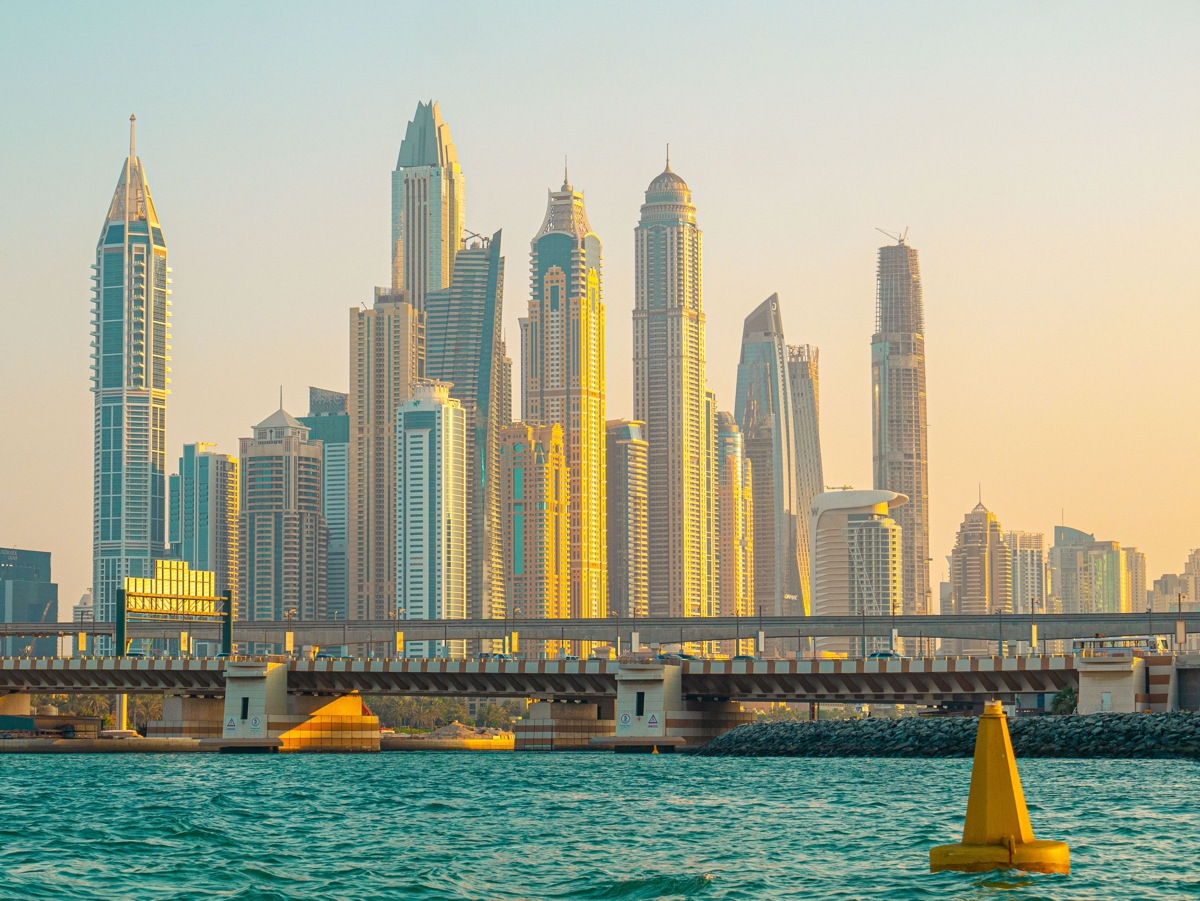
The best time to visit Dubai, month by month
November to March: the peak season
This is when Dubai works as a city rather than a series of air-conditioned interiors. Daytime highs sit around 25–28°C from December to February, with January the coolest month at a mean near 19°C. Evenings drop to the mid-teens and can feel cool by the water – a light jacket is genuinely useful in January, which surprises first-time visitors.
Everything outdoor-dependent is in season: desert safaris without heat exhaustion, the beach clubs at Jumeirah, walking the Marina and Dubai Creek, rooftop dining, and the whole outdoor-events calendar. The Dubai Shopping Festival runs from around mid-December into late January, Global Village operates roughly October to April, and the city’s sporting fixtures – tennis, golf, rugby sevens – cluster in these months.
The cost is straightforward: hotel rates are at their annual peak, particularly over Christmas, New Year and the February half-term period, and popular restaurants require booking well ahead. Our guide to Dubai in winter goes into more depth on what the peak months look like on the ground.
April and October: the shoulder months
These are the value months. April highs climb to around 33-35°C and October comes down to a similar level, both hot but survivable if you plan around the middle of the day. Sea temperatures are excellent — often around 28–30°C, warm enough that the Gulf feels more like a bath than a swim. Hotel rates fall well below peak, and the city is noticeably less booked.
The workaround is scheduling. Do outdoor activity before 10am or after 5pm, use the long afternoon for malls, museums, the aquarium or a hotel pool, and treat evenings as the main event. This is how residents live for much of the year, and it works.
May, June and September
Difficult but not impossible. Highs of 38-41°C with rising humidity, and by June the Gulf is warm enough to offer no cooling relief at all. Prices drop sharply, and if your trip is built around indoor attractions, shopping, hotel facilities and eating, you can have a good time for considerably less money. Anything involving walking outdoors for more than fifteen minutes will be unpleasant.
July and August: the months to avoid
Average highs above 41°C, frequent days over 45°C, and humidity along the coast that makes the apparent temperature significantly higher. Hotel rates are at their lowest of the year, and Dubai Summer Surprises runs through the period with mall promotions and indoor events. But the outdoor city is effectively closed – beach clubs run reduced hours, desert tours are limited to early morning, and even walking from a taxi to a building entrance is a decision.
Ramadan: the variable most guides skip
Ramadan moves about eleven days earlier each year on the Gregorian calendar, which means it currently falls in late winter and early spring – squarely inside Dubai’s best weather. This matters practically. During Ramadan, eating, drinking and smoking in public during daylight hours is restricted, many restaurants close or serve behind screens until sunset, live music and club nights are limited, and business hours shorten.
It is not a reason to cancel a trip. Hotels continue to serve guests, most tourist attractions operate on adjusted hours, and iftar – the evening meal that breaks the fast – is one of the more memorable things you can experience in the city. Eid al-Fitr at the end brings a festive atmosphere and a domestic travel surge that pushes hotel prices up. Just know which it is before you book, and check the specific dates for your travel year, since they shift annually.
Rain, wind and the rest of the weather picture
Dubai is arid, with annual rainfall measured in a handful of days rather than millimetres per month. What rain there is falls between December and March, usually in short intense bursts. The city’s drainage was not built for volume, so heavy rain can cause serious disruption to roads and flights – infrequent, but worth knowing if you are travelling in February.
The other seasonal factor is the shamal, a northwesterly wind that kicks up dust and reduces visibility, most common between February and June. It can flatten skyline views and occasionally affects flights and desert excursions.
How the heat changes what you can actually do
The gap between Dubai’s peak and low seasons is not a matter of comfort levels – it changes which attractions are viable at all.
Outdoor attractions
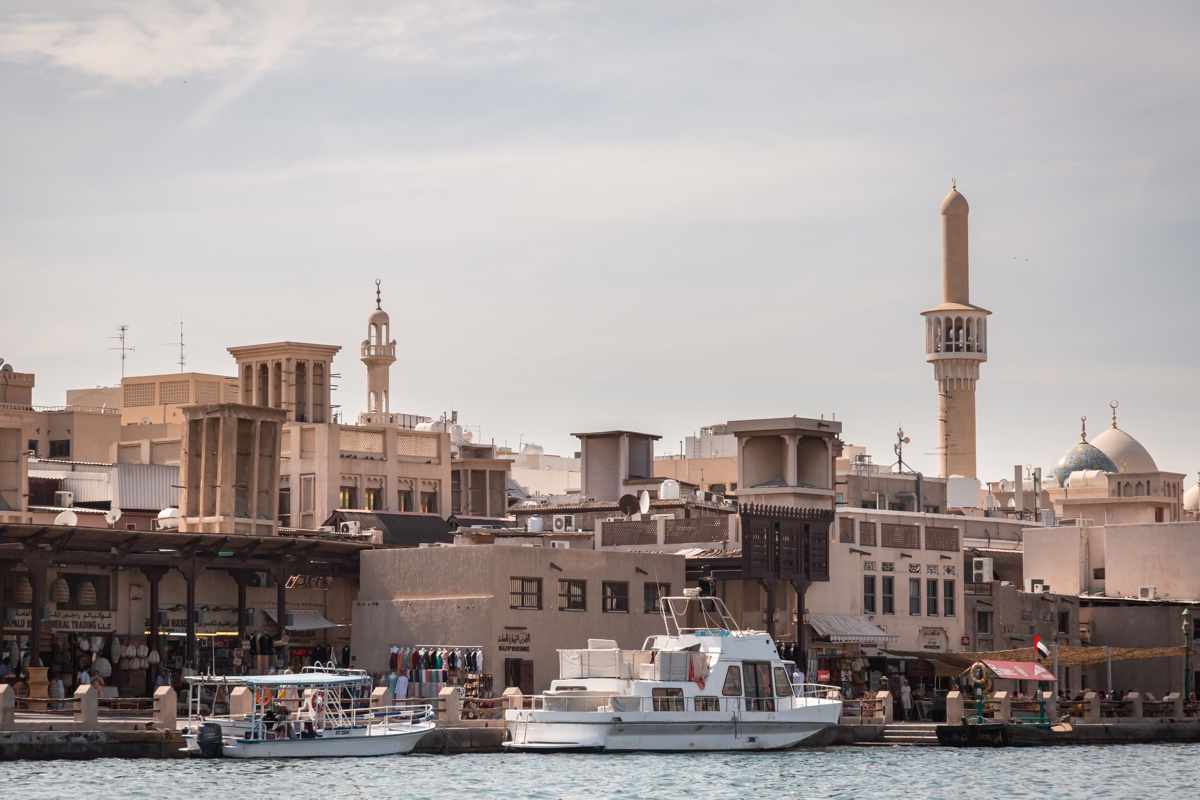
The Palm Jumeirah boardwalk, Dubai Creek and the Al Fahidi historical district, Kite Beach, La Mer and the outdoor sections of the theme parks all depend on tolerable temperatures. Between November and March they are among the better things to do in the city. Between June and September they are largely theoretical outside the first two hours after sunrise.
The desert
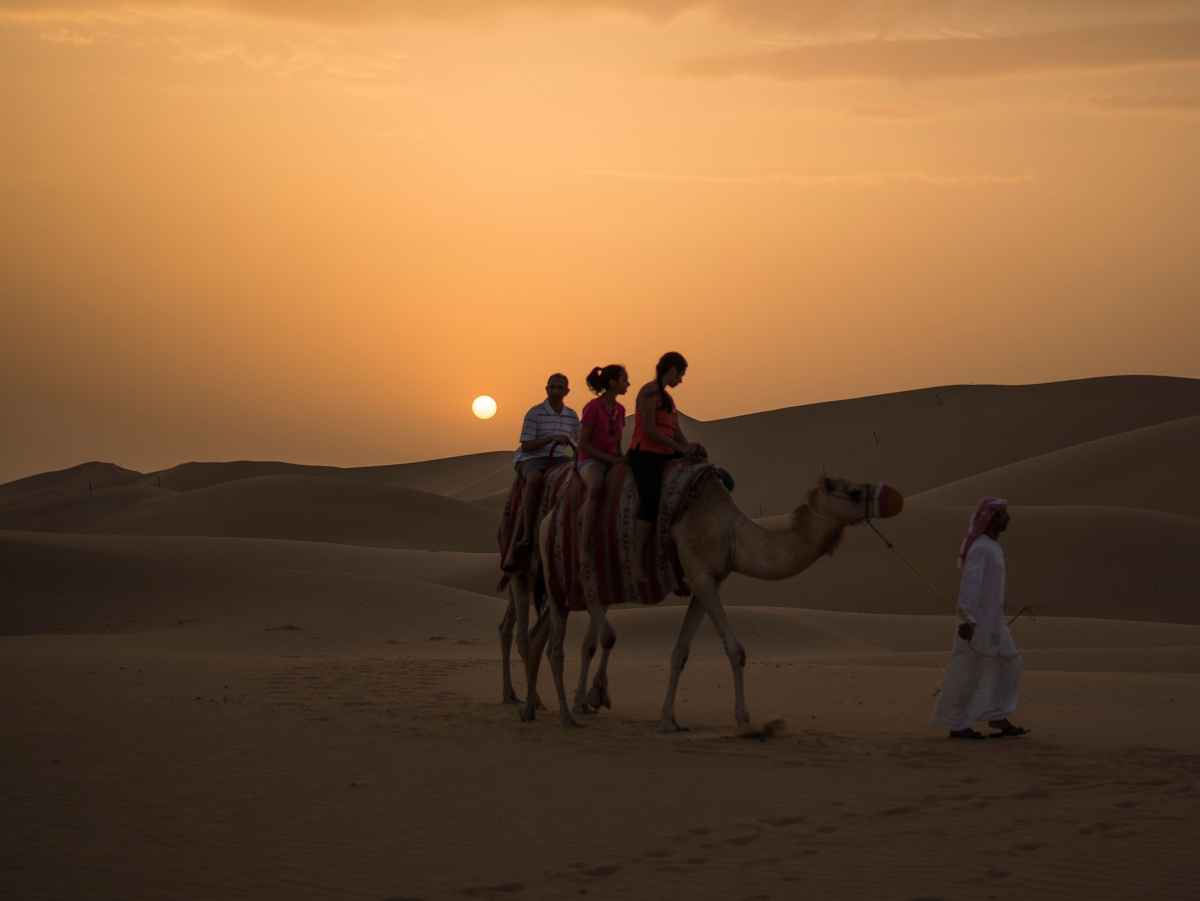
Desert safaris run year-round, but the experience differs enormously. In winter, an afternoon dune drive followed by dinner under the stars is comfortable. In summer, operators shift to early-morning or late-evening departures and the sand itself holds heat long after dark. Dune bashing in a closed vehicle in July is not a pleasant introduction to the Empty Quarter.
Indoor Dubai
The city has invested heavily in weather-proof attractions precisely because of this, and the summer months are when they earn their keep: the Museum of the Future, Dubai Aquarium, the ski slope at Mall of the Emirates, and the indoor theme parks all operate at full capacity regardless of the temperature outside.
Matching the month to the trip
- Best overall weather: December to February.
- Best value with usable conditions: late October and April.
- Warmest sea: August and September, around 32°C – arguably too warm.
- Cheapest hotels: July and August.
- Best for desert trips: November to March, ideally at sunrise or sunset.
- Check before booking: Ramadan dates, and the New Year and Eid periods.
One practical point that applies year-round: Dubai’s indoor spaces are aggressively air-conditioned, and the swing between 40°C outside and 19°C inside a mall is a real thing. Carry a light layer even in August.
For the wider picture – neighbourhoods, transport, costs and where the city rewards a slower approach – see our complete Dubai travel guide. If you have a short stay in the peak season, the 4-day Dubai itinerary sequences the major sights around the heat rather than against it.
FAQ
What is the hottest month in Dubai?
August, with average highs around 41°C and frequent days above 45°C. July is very close behind. Humidity along the coast makes both feel considerably hotter than the raw figures.
Is April too hot for Dubai?
Not if you plan around it. April highs of roughly 33-35°C are manageable for morning and evening activity, and the sea is warm. Expect the middle of the day to be indoor time.
When is Dubai cheapest?
July and August, by a wide margin, followed by June and September. The trade-off is extreme heat that limits outdoor plans to early mornings.
Should I avoid Dubai during Ramadan?
No, but adjust expectations. Daytime eating and drinking in public is restricted, nightlife is subdued and hours change, while evenings become lively around iftar. Hotels and major attractions stay open. Check the dates for your travel year, as they move roughly eleven days earlier annually.


Recent Comments