
Sardinia’s swimming season is longer than most people assume and peaks later than the calendar suggests. If your priority is water you can stay in for an hour rather than a brave ninety seconds, the best time to visit Sardinia is not July — it is the stretch from late August through the end of September, when the Tyrrhenian has absorbed a full summer of heat and the island’s beaches have started to empty.
That is the headline. The full picture involves ferry schedules, a two-week window in August when the island effectively closes to spontaneous travel, and a shoulder season that is superb for road trips and useless for beach clubs.
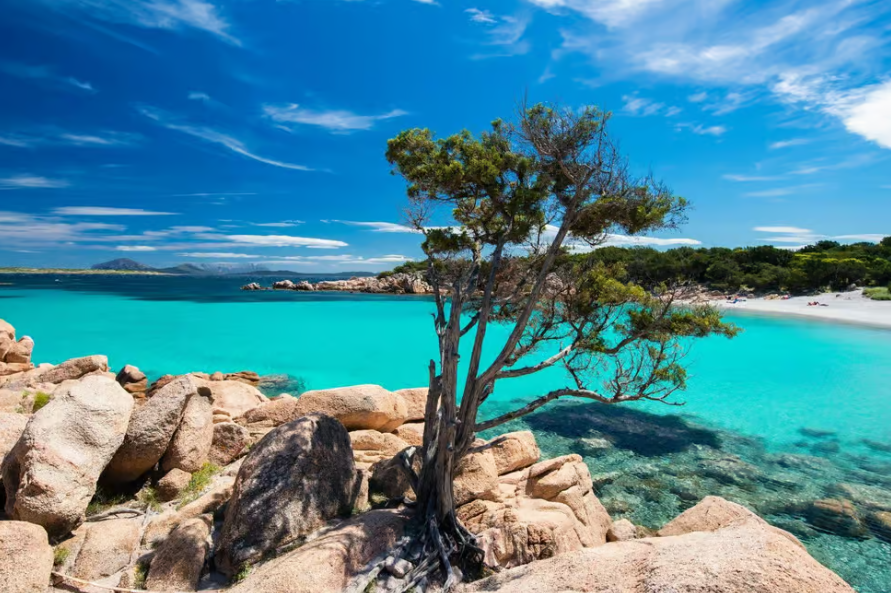
Best time to visit Sardinia for swimming: when the sea is warmest
Sea temperature lags air temperature by roughly six weeks in the Mediterranean, and Sardinia follows that pattern closely. The water is at its coldest in February and March, warms slowly through spring, and does not become broadly comfortable until June.
- April–May: around 16–19°C. Cold. Fine for a quick dip, not for swimming.
- June: around 20–22°C. Comfortable by the end of the month, still cool at the start.
- July–August: around 24–25°C. The annual peak.
- September: around 23°C. Barely below the peak, with a fraction of the crowds.
- October: around 21°C. Still swimmable, especially in the south.
There is also regional variation. The south — Villasimius, Chia, the Costa Rei — tends to run slightly warmer and stays swimmable later into autumn than the north around Costa Smeralda and Santa Teresa Gallura, which is more exposed to the Mistral wind. If you are travelling in October and swimming matters, base yourself south of Cagliari.
The Mistral, and why wind matters more than you think
Sardinia’s dominant wind blows from the northwest and can turn a 28°C day into an unpleasant one on the wrong coast. The west — Alghero, Bosa, the Sinis peninsula — takes the brunt of it, which is why that side of the island has the wild, empty beaches and the surf schools. The east coast, from Cala Gonone down through Ogliastra, is sheltered by the Gennargentu mountains and is often calm when the west is unusable.
Practically: if forecasts show strong Mistral, switch coasts rather than switching plans. This is also why boat trips to Cala Goloritzé, Cala Mariolu and the Golfo di Orosei get cancelled — those beaches are only reachable by sea, and operators will not sail in heavy swell. Build a spare day into any itinerary that depends on them.
Month by month
April and May
The island is green, the wildflowers are out, and the interior — Barbagia, the nuraghi, the mountain villages — is at its best. Highs run from about 18°C in April to 23°C in May. Hotels along the coast are only just opening and many beach clubs and seasonal restaurants stay shut until June. Excellent for hiking, driving and archaeology; poor for a beach holiday.
June
A strong month. Highs around 26–27°C, long days, the sea finally usable, and prices still well below peak. Most seasonal businesses are open by mid-June. If you want summer conditions without August pricing, this is the alternative to September.
July and August
Hot, busy and expensive. Highs of 30–33°C are normal and the interior gets considerably hotter. The critical detail is Ferragosto, the Italian national holiday on 15 August: for roughly the first three weeks of August the island fills with Italian holidaymakers, ferries sell out months ahead, coastal accommodation runs at maximum rates, and popular beaches operate daily visitor caps.
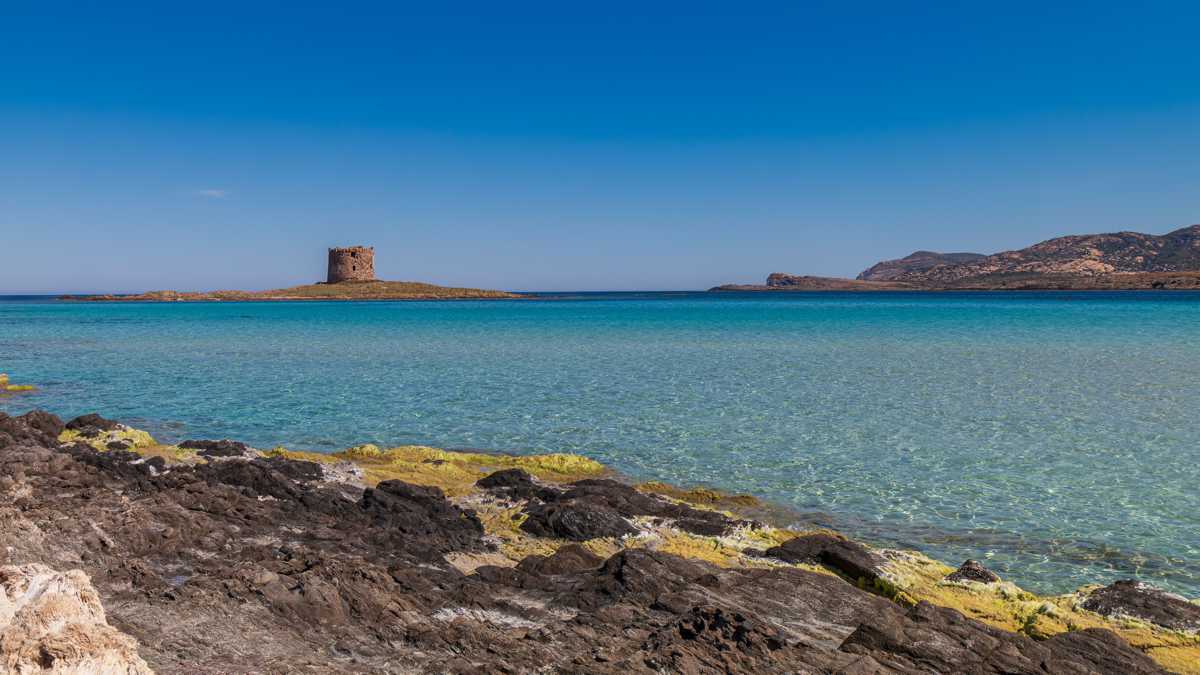
Those caps are worth understanding before you travel. Several of Sardinia’s most famous beaches — including La Pelosa at Stintino and the Golfo di Orosei coves — now require advance booking and charge an access fee, with limited daily numbers. Rules and prices change season to season, so check the official municipal site for the specific beach rather than relying on a blog. Expect a small per-person fee at the ones that charge.
September
The best single month for most travellers. Air temperatures fall back to around 27°C, the sea holds at about 23°C, Italian holidays end after the first week, and rates drop sharply from mid-month. Restaurants that closed for Ferragosto reopen, roads clear, and the light is better for photography than the flat glare of August. We make the longer case for it in our guide to Sardinia in September.
October
Underrated for a certain kind of trip. Highs around 23°C, sea still near 21°C in the south, and the island almost entirely to yourself. The catch is that seasonal infrastructure winds down from mid-month — boat excursions stop, many coastal hotels close, and some beach roads become quiet enough to feel remote. Good for driving and hiking, unreliable for organised activities.
November to March
Sardinia’s winter is mild — Cagliari averages highs near 15°C — but the coast largely shuts. Ferry frequency drops, resort towns are empty, and rain concentrates in November and December. The island is not without interest in winter: Cagliari and Alghero function year-round, and Carnival celebrations in the Barbagia villages in February, with their mamuthones masks, are among the most striking traditions in Italy. This is a cultural trip, not a coastal one.
How long you need, and getting around
Sardinia is bigger than it looks — roughly 270km from Santa Teresa Gallura in the north to Cagliari in the south, on roads that are good but rarely fast. A week gives you one half of the island properly; ten days to two weeks lets you loop it. Public transport between coastal towns is thin, so a rental car is close to essential, and in July and August you must book it months ahead or accept whatever is left at three times the price.
Ferries from mainland Italy and Corsica run to Olbia, Porto Torres, Golfo Aranci and Cagliari. In August, vehicle spaces sell out early. Flying into Olbia, Alghero or Cagliari and renting locally is usually simpler unless you specifically want your own car.
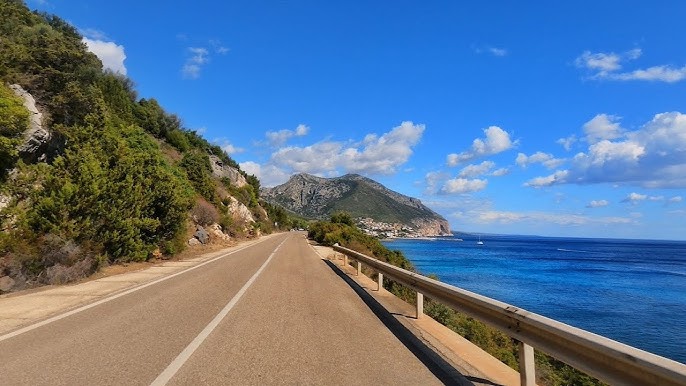
For a complete picture of the island’s regions, towns and coastline, see our Sardinia travel guide. And if you have decided on a driving trip, the 7-day Sardinia road trip itinerary sets out a route that avoids the classic mistake of trying to cover both coasts in one week.
FAQ
What month is the sea warmest in Sardinia?
August, at roughly 24–25°C, with September just behind at around 23°C. Because September has far fewer visitors and lower prices, most travellers get better value from it than from the August peak.
Is Sardinia worth visiting in October?
Yes, for driving, hiking and quiet beaches, particularly in the south where the sea stays near 21°C. Be aware that boat excursions and many coastal hotels close from mid-month.
When should I avoid Sardinia?
The first three weeks of August if you want flexibility or value — ferries, hotels and rental cars are booked out and beach access caps are in force. November to March if you want a beach holiday, since most of the coast closes.
Do I need to book Sardinian beaches in advance?
Some of them. Several high-profile beaches, including La Pelosa and the Golfo di Orosei coves, operate daily visitor limits with an online booking and a small access fee in summer. Check the relevant municipality’s official page close to your travel dates, as the rules change between seasons.


Recent Comments