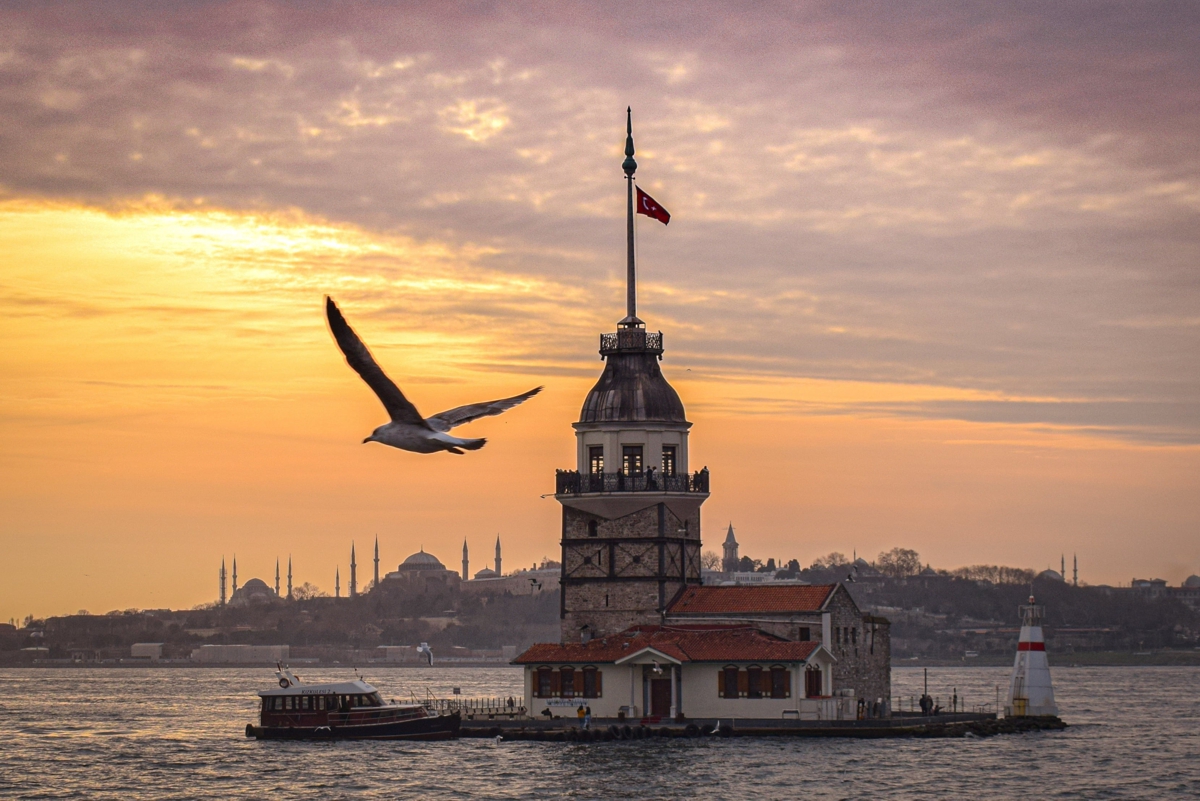
Istanbul is the only major city sitting on two continents, and that fact is not a trivia line — it shapes the commute, the food, the architecture and the way the place thinks about itself. A ferry crossing between Europe and Asia costs less than a coffee and takes about twenty minutes. This Istanbul travel guide covers how to use that geography rather than be defeated by it, because a city of roughly sixteen million people can absorb a short trip entirely if you let it.
The historic peninsula, Sultanahmet, holds the monuments. Across the Golden Horn, Beyoğlu and Karaköy hold the nightlife, galleries and most of the interesting food. Across the Bosphorus, Kadıköy and Üsküdar on the Asian side are where residents actually live, and where a lot of visitors wish they had booked.
An Istanbul travel guide to the historic peninsula
Hagia Sophia
Built as a cathedral in 537, converted to a mosque in 1453, made a museum in 1935 and returned to mosque status in 2020. The current arrangement charges foreign visitors around €25 for access to the upper gallery and museum areas, with a separate free ground-floor prayer space for worshippers. Children under eight enter free with an adult. The Istanbul Museum Pass does not cover it.
The dome is the thing. It was the largest in the world for nearly a thousand years, and the ring of windows at its base still does what the architects intended, which is make several thousand tonnes of masonry look weightless.
Topkapı Palace
The Ottoman court’s home for four centuries, spread across four courtyards rather than a single building. The combined ticket including the Harem and Hagia Irene runs roughly €55 for foreign visitors, which is steep, but the Harem is the part most worth the money — the tilework in the Twin Kiosk is among the finest in the city. Allow three hours minimum. The palace is closed on Tuesdays.
The Blue Mosque and the Basilica Cistern
Sultan Ahmed Mosque, universally called the Blue Mosque for its İznik tiles, remains a working mosque with free entry outside prayer times. Dress modestly, remove shoes, and expect a queue. The Basilica Cistern next door is a sixth-century underground reservoir with 336 columns, two of which rest on carved Medusa heads placed sideways and upside down for reasons nobody has satisfactorily explained. It charges separately and is worth it.
The bazaars
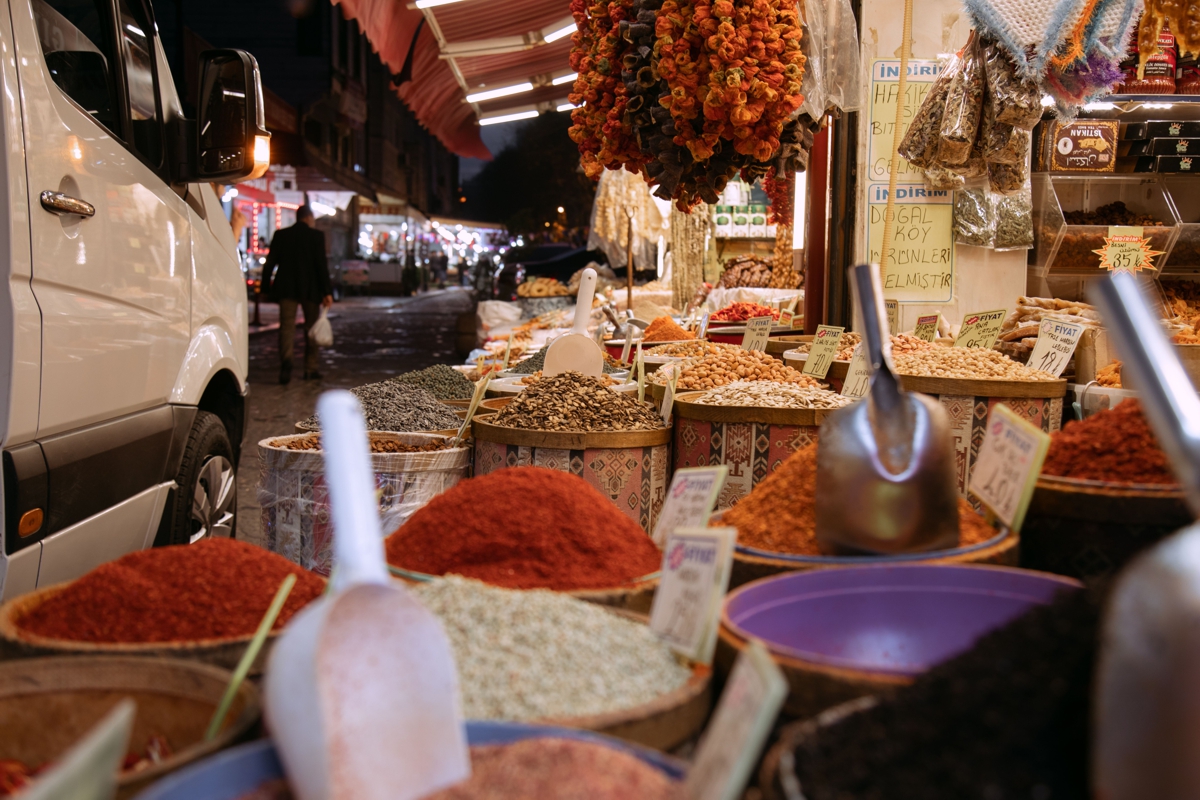
The Grand Bazaar has around 4,000 shops under one roof and has been operating since the fifteenth century. It is touristed to the point of parody in the main aisles and considerably more interesting in the side lanes and the surrounding han courtyards. The Spice Bazaar near Eminönü is smaller and more chaotic; the streets around it, where locals buy cheese, coffee and hardware, are better than the bazaar itself.
Beyond Sultanahmet
Two or three days in the historic peninsula and you will have seen the monuments. The city that people fall for is elsewhere.
Beyoğlu and Karaköy
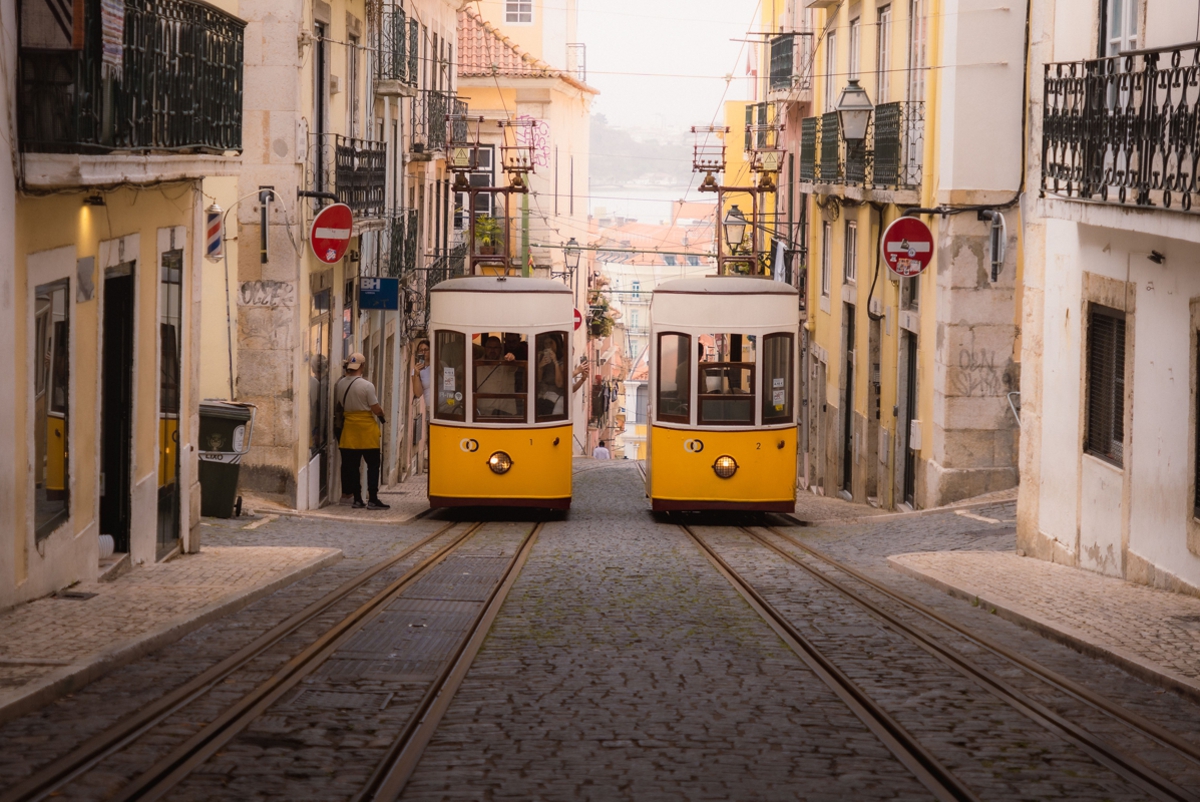
İstiklal Avenue runs from Taksim Square down to the Galata Tower, packed at all hours, with a red antique tram that is more photograph than transport. The interest is in the side streets: Çukurcuma for antiques, Asmalımescit for meyhanes, Karaköy at the bottom of the hill for coffee and modern Turkish cooking. Istanbul Modern’s waterfront building reopened in 2023 and is a genuine draw.
The Asian side
Take the ferry from Eminönü or Karaköy to Kadıköy. The market district around Güneşlibahçe Sokak has the best fish, cheese and produce in the city, and the bars in Moda fill with a young local crowd every evening. Almost no tour groups make it here, which is the point.
The Bosphorus
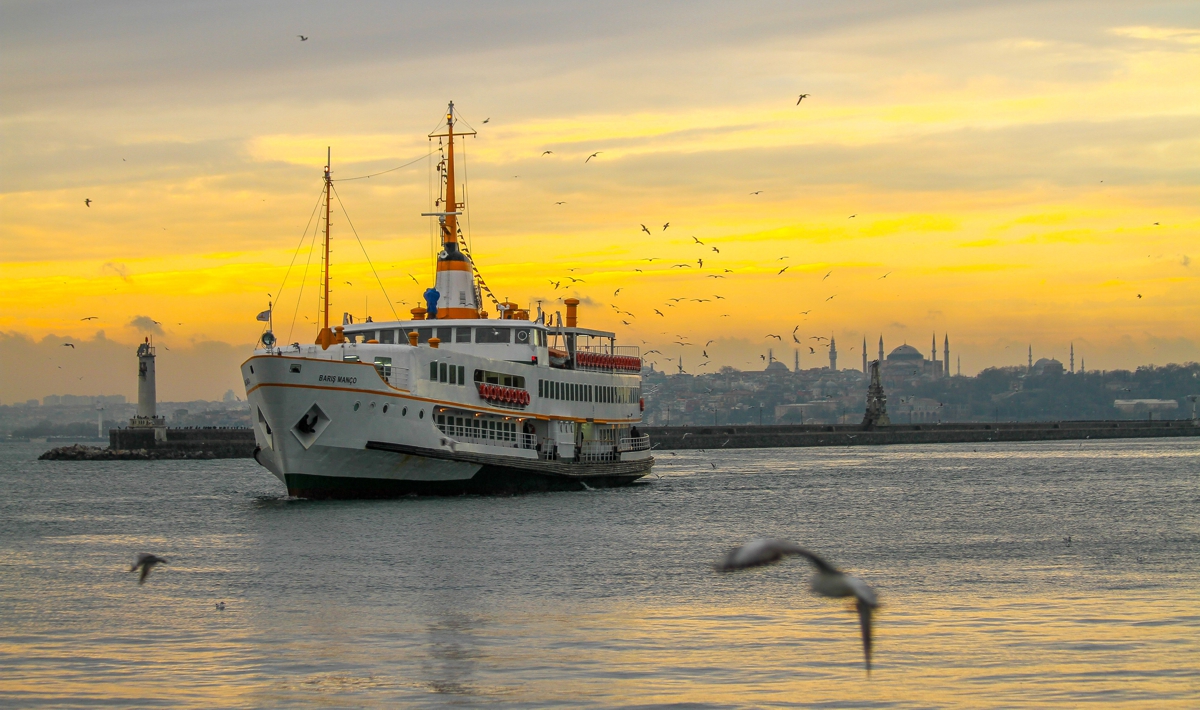
The public ferry up the Bosphorus is the best value transport in Istanbul. Sit outside, pass the Ottoman waterfront mansions called yalı, the two suspension bridges and the fortress at Rumeli Hisarı, and get off at Anadolu Kavağı near the Black Sea mouth. It costs a fraction of the private cruise boats and shows you exactly the same shoreline.
Eating in Istanbul
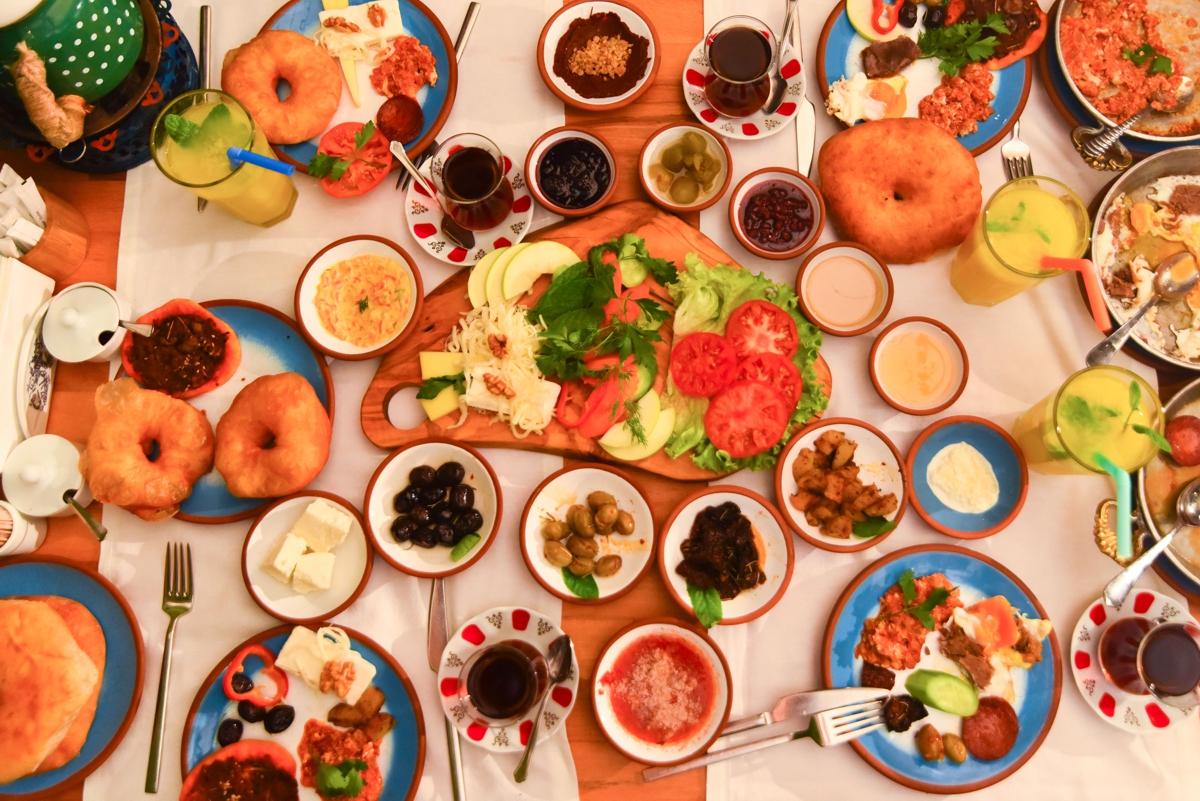
Turkish breakfast, kahvaltı, is a spread rather than a dish: white cheese, olives, tomato, cucumber, honey with clotted cream, several jams, eggs and endless tea. It occupies a whole morning and is one of the reasons to build a slow day into the trip.
Beyond that, the essential things are a proper balık ekmek fish sandwich near the Galata Bridge, lahmacun and pide from a bakery, İskender kebab, and a meyhane evening working through cold meze with rakı. Our Istanbul street food guide goes deeper on what to order from carts and counters, including the things that look alarming and are excellent.
Turkish coffee and çay both matter, and both are social rather than functional. Nobody drinks either quickly.
Getting around
Get an Istanbulkart at any station machine and load it with cash. It works on the metro, tram, funicular, bus and, importantly, the ferries. The T1 tram runs directly through Sultanahmet and across the Galata Bridge, covering most of what visitors need. The metro reaches both airports, though the ride from Istanbul Airport into the centre takes well over an hour.
Taxis have improved with app-based booking but remain the most likely place to be overcharged. Traffic is severe; the ferry is often genuinely faster than driving across a bridge.
When to go and how it fits a longer trip
April to early June and September to October are the best windows — mild, dry enough, and free of the July and August heat that pushes daytime temperatures past 30°C with heavy humidity. Winter is cold, occasionally snowy and atmospheric, with the lowest prices of the year.
Istanbul works well as a bookend to a wider European trip, and it slots naturally into the route described in our ultimate 2-week Europe itinerary. Domestically, the obvious pairing is Cappadocia — an hour and a half by air to Kayseri or Nevşehir, and worth two or three nights. Our guide to the cave hotels of Cappadocia covers where to sleep once you get there.
Practical notes
- Currency: the Turkish lira. Inflation has been high for several years, so published prices in guidebooks and older articles are frequently out of date. Prices at major sites are increasingly quoted in euro.
- Cards: widely accepted, including in most small restaurants. Carry some cash for markets and ferries.
- Mosque etiquette: shoulders and knees covered, heads covered for women, shoes off. Scarves are usually available at the entrance.
- Tap water: technically treated but not what locals drink. Bottled water is cheap and universal.
- Scams: the shoeshine drop, the friendly invitation to a bar that ends in an enormous bill. Both are old and both still work.
FAQ
How many days do you need in Istanbul?
Four days is a reasonable minimum: two for the historic peninsula, one for Beyoğlu and Galata, one for the Asian side and a Bosphorus ferry. Five or six lets the city breathe.
Is the Istanbul Museum Pass worth it?
Only if you are visiting several state museums in a short window. It excludes Hagia Sophia, which is the single most expensive ticket, so run the numbers against your actual list first.
Is Istanbul safe for visitors?
Yes, in the ordinary sense — it is a large city with pickpocketing in crowds and persistent touting near the main sights, and little else that should concern a visitor. Check your government’s current travel advice before booking, as with anywhere.
Which side of the city should you stay on?
Sultanahmet for proximity to the monuments, Karaköy or Beyoğlu for food and atmosphere, Kadıköy for the local version of the city at lower prices. First-timers on a short trip usually do best in Karaköy, which is walkable to both.
Final thought
The mistake is treating Istanbul as a monument checklist. See the four great buildings in Sultanahmet, then get on a ferry and spend an afternoon on the other continent. That crossing is the city explaining itself better than any museum does.