
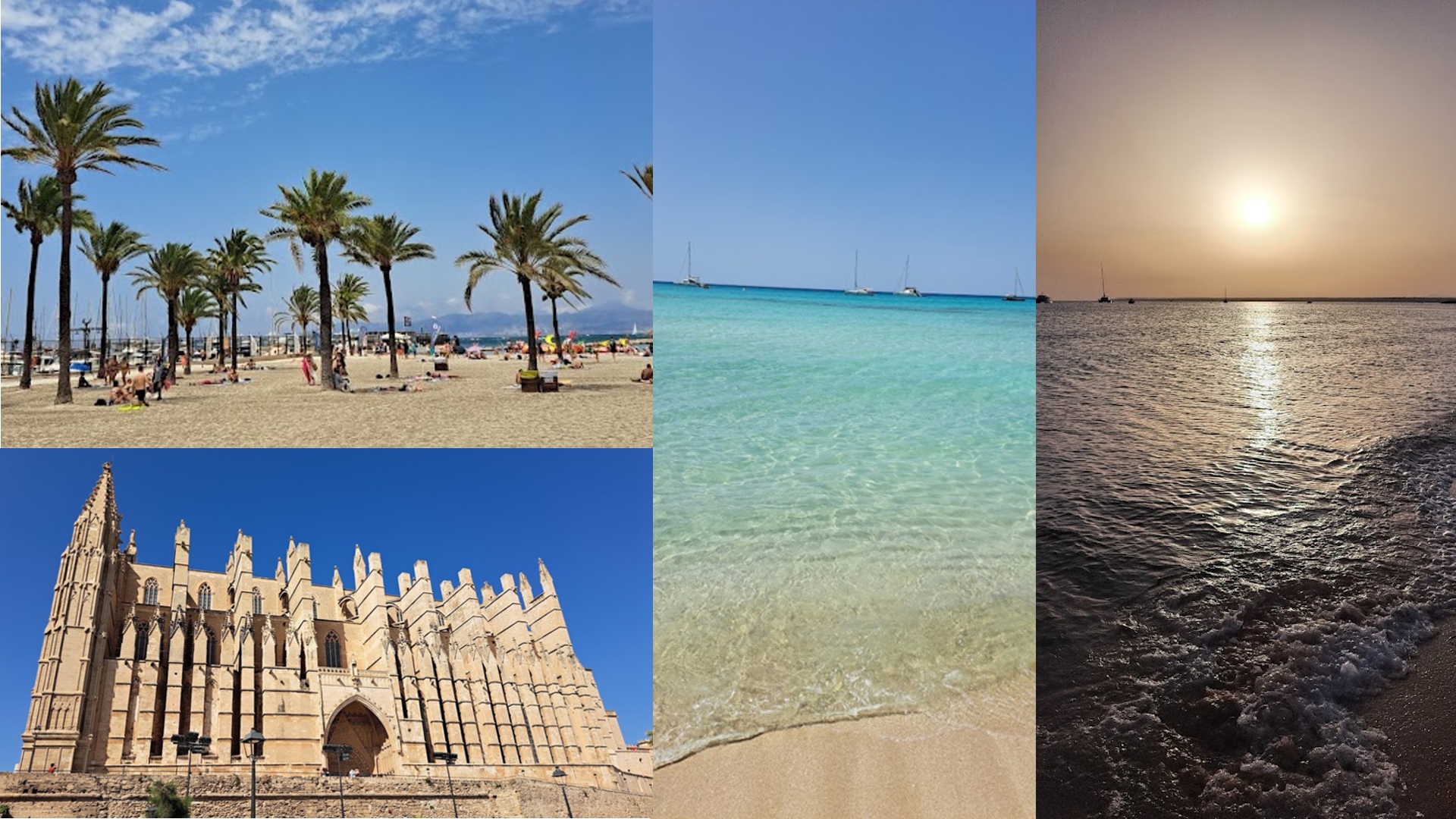
Mallorca runs on a longer calendar than its package-holiday reputation suggests. The best time to visit Mallorca depends on whether you are coming for the sea, the mountains, or the island’s quieter interior — and those three answers point at different months. Beach season effectively runs June to October. Cycling and hiking season runs February to May and again in October and November. The two barely overlap, which is why the island can feel packed and empty at the same time depending on where you stand.
Here is how each month actually behaves, and which trade-off you are accepting by choosing it.
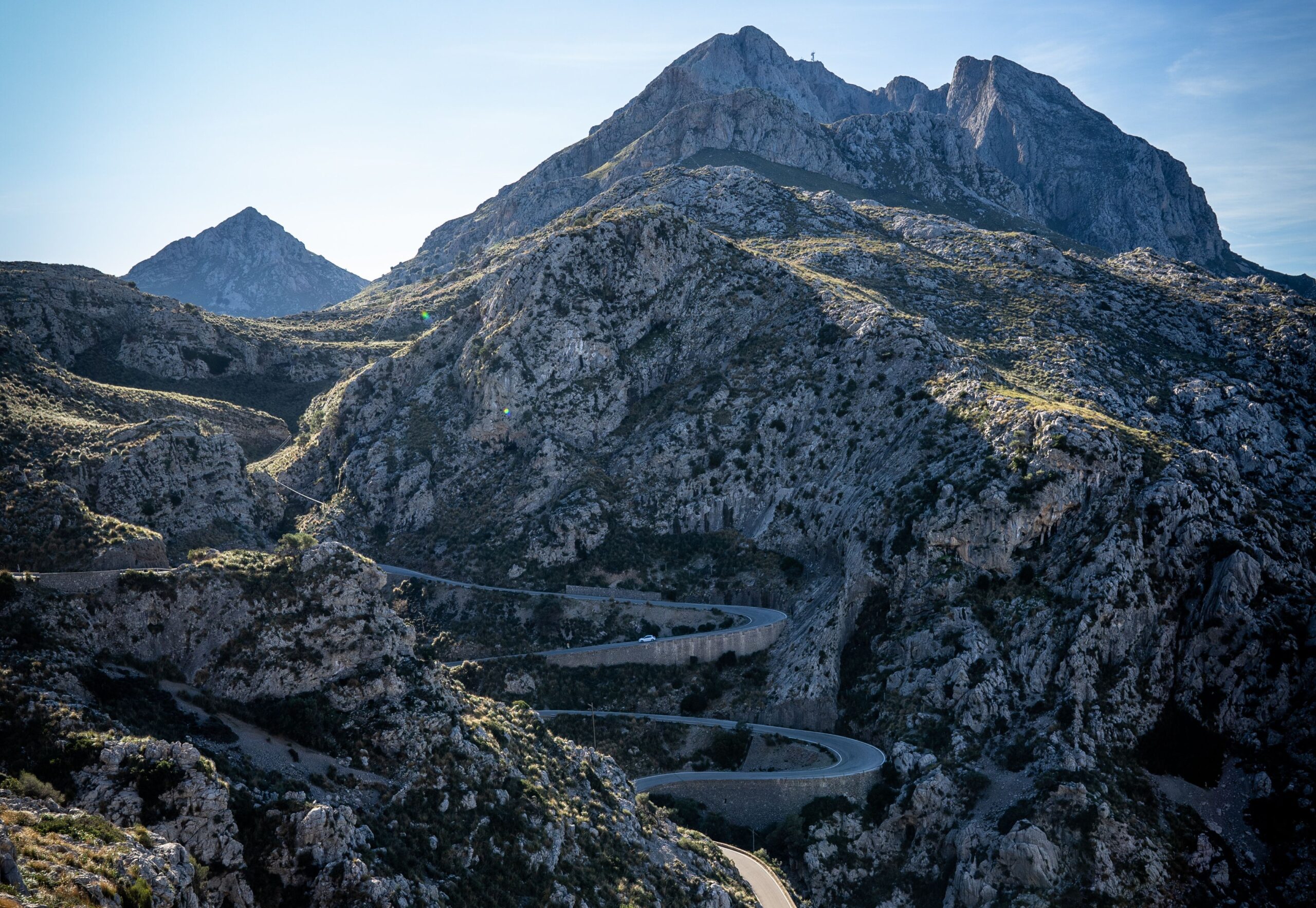
Best time to visit Mallorca, month by month
January and February
Cool, quiet and cheap. Highs around 15–16°C, lows near 5°C, and the highest chance of rain outside autumn. Most coastal resorts — Magaluf, Alcúdia, Cala d’Or — are closed or close to it. Palma stays open and functioning, and this is the best time of year to see the cathedral, the old town and the food markets without crowds. Almond blossom covers the interior from late January into February, which draws photographers and walkers. Professional cycling teams arrive for winter training, and the mountain roads are at their least congested.
March and April
The island wakes up. Highs climb from 18°C to 20°C, the Tramuntana hiking trails are at their best before the heat arrives, and coastal hotels begin reopening from around mid-March. The sea is still cold — around 15–16°C — so this is not beach weather. Easter brings serious Semana Santa processions in Palma and a first price spike; the dates move each year, so check them before booking.
May
Arguably the island’s best all-round month for anyone who is not committed to swimming. Highs around 23–24°C, everything open, hotel rates still moderate, and long daylight. The sea reaches roughly 18–19°C by late May — swimmable if you are used to cooler water, uncomfortable if you are not.
June
Summer without the peak. Highs around 27°C, sea temperatures around 22°C, and the beaches busy but not saturated. Sant Joan on the night of 23 June brings bonfires and beach parties across the island. Prices climb through the month and jump sharply once European school holidays begin.
July and August
Peak everything. Highs of 30–32°C, sea at its warmest around 26°C, near-zero rainfall, and the island at maximum capacity. Roads to popular coves — Caló des Moro, Cala Varques, Sa Calobra — congest badly, and parking at the smaller beaches fills by 9am. Hotel rates run two to three times their spring level. Ferragosto in mid-August adds Italian visitors to the German, British and Spanish ones already there.
If you travel in these months, the workaround is timing rather than location. Beaches before 9am and after 5pm are a different experience from the same beaches at noon. The Tramuntana at altitude stays several degrees cooler than the coast. And the interior towns — Sineu, Petra, Santa Maria del Camí — carry on more or less normally.
September
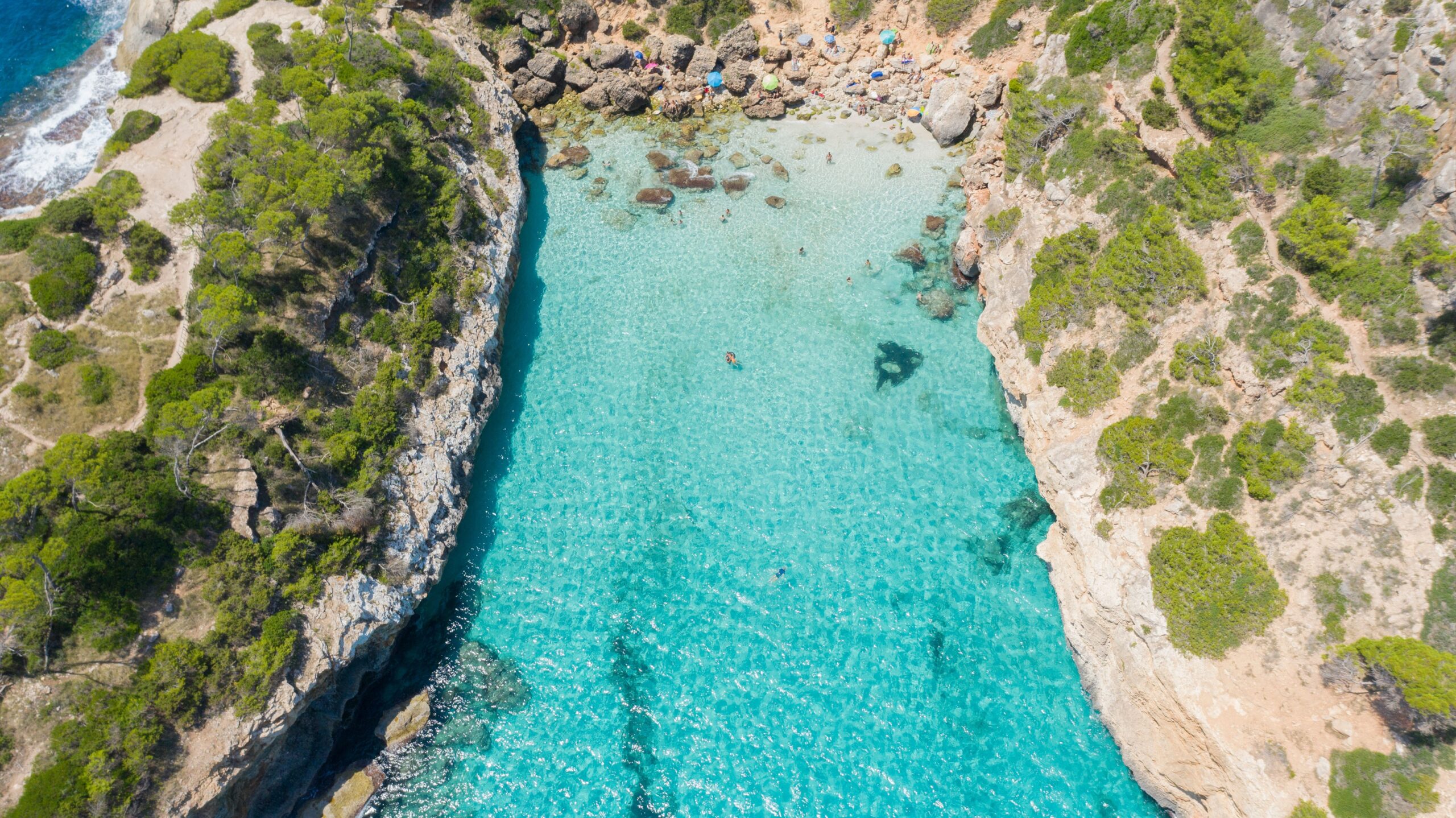
The month to book if you want summer conditions with room to move. Highs fall back to around 28°C, the sea holds at roughly 25°C — warmer than June — and crowds thin markedly after the first ten days as European schools return. Rates start dropping mid-month. Wine harvest season in Binissalem adds a reason to go inland.
October
Consistently underrated. Daytime temperatures average 22–24°C, the sea stays around 22–23°C into mid-month, and there are typically only about five rainy days across the whole month. Hiking in the Tramuntana becomes comfortable again. The trade-off is that seasonal businesses begin closing from mid-October, and the last two weeks can feel like a resort winding down. Some flights and package operators end their season at the end of the month.
November and December
Wet and quiet. November is typically the rainiest month of the year, with highs around 18°C. Most coastal accommodation is closed. Palma remains worthwhile, particularly in December when the Christmas lights and markets fill the old town, and rates across the island are at their lowest.
Sea temperature: the number that decides most trips
If you are coming to swim, the useful window is broadly June through October. Water sits around 22°C in June, peaks near 26°C in August, holds around 25°C in September and only falls back to roughly 22–23°C through October before dropping steeply in November. As with most Mediterranean islands, the sea peaks about six weeks after the longest day — which is why September consistently beats June for swimming despite feeling later in the year.
Choosing by what you came for
- Beaches and swimming: late June to early October, with September as the sweet spot.
- Hiking the Tramuntana: March to May, October to November.
- Cycling: February to April is the classic season — mild, dry and before the tourist traffic.
- Lowest prices: November to February, plus the first half of March.
- Almond blossom: late January into February.
- Avoid if you want space: mid-July to mid-August.
Festivals worth planning around
Mallorca’s calendar is denser than the resort brochures suggest, and a few dates are worth building a trip around.
Sant Antoni, mid-January
Sa Pobla and Artà mark the night of 16 January with bonfires, grilled sausage and the correfoc, where costumed devils run through the streets with fireworks. It is one of the island’s oldest traditions and takes place in the deepest part of low season, which tells you it is not staged for visitors.
Moros i Cristians, early May
Sóller re-enacts a sixteenth-century pirate raid over a weekend in May, with hundreds of participants and a mock battle running from the port into the town. Accommodation in the Sóller valley books out for it.
Nit de Sant Joan, 23 June
Bonfires on beaches across the island, with the largest gatherings in Palma and Ciutadella. Public transport runs late and the beaches stay busy until sunrise.
A note on getting around
Mallorca has a decent bus network and a train line from Palma to Inca, Sa Pobla and Manacor, plus the historic wooden train to Sóller. But the coves that make the island’s reputation are reached by narrow roads with small car parks, and outside Palma a rental car is the practical choice. In July and August book it months ahead; in winter, expect some rental desks at the airport to be closed and the fleet to be smaller.
Whichever month you land on, our Mallorca travel guide covers the regions, towns and beaches in detail beyond the resort strips. For a trip of under a week, the 5-day Mallorca itinerary shows how to combine the Tramuntana coast with the southeast coves without spending the whole holiday driving.
FAQ
What is the warmest month for swimming in Mallorca?
August, with sea temperatures around 26°C. September is nearly as warm at about 25°C and considerably less crowded, which makes it the better choice for most people.
Is Mallorca worth visiting in winter?
For Palma, hiking and cycling, yes — mild days around 15–16°C and almost no crowds. For a beach holiday, no: most coastal resorts close between November and March.
Which month has the fewest tourists in Mallorca?
January and February. November is also very quiet but wetter. If you want a compromise between quiet and good weather, target the second half of October or early May.
When is the almond blossom in Mallorca?
Typically from late January through February, concentrated in the interior around Son Servera, Sencelles and the plain south of the Tramuntana. Exact timing shifts with the winter, so allow a week either side.

Recent Comments