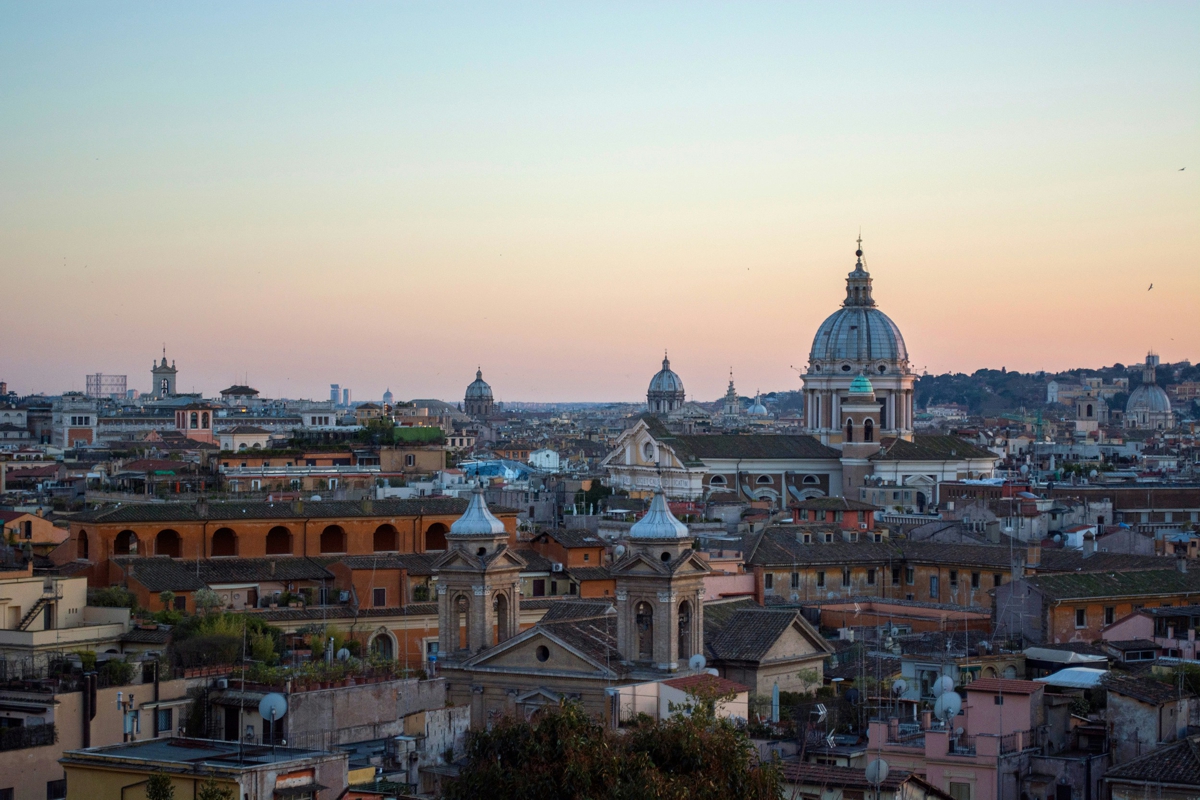
Rome is an outdoor city. The Forum, the Colosseum, the piazzas, the walk from the Pantheon down to Piazza Navona — almost everything worth doing involves being on your feet under an open sky. That makes the weather matter more here than in cities where you can duck into a museum for four hours. Working out the best time to visit Rome is largely about avoiding the two extremes: August heat, and the sheer density of people between May and September.
The good news is that Rome’s shoulder seasons are long and generous. April and October are close to ideal, and even the winter months are milder than most northern European visitors expect.
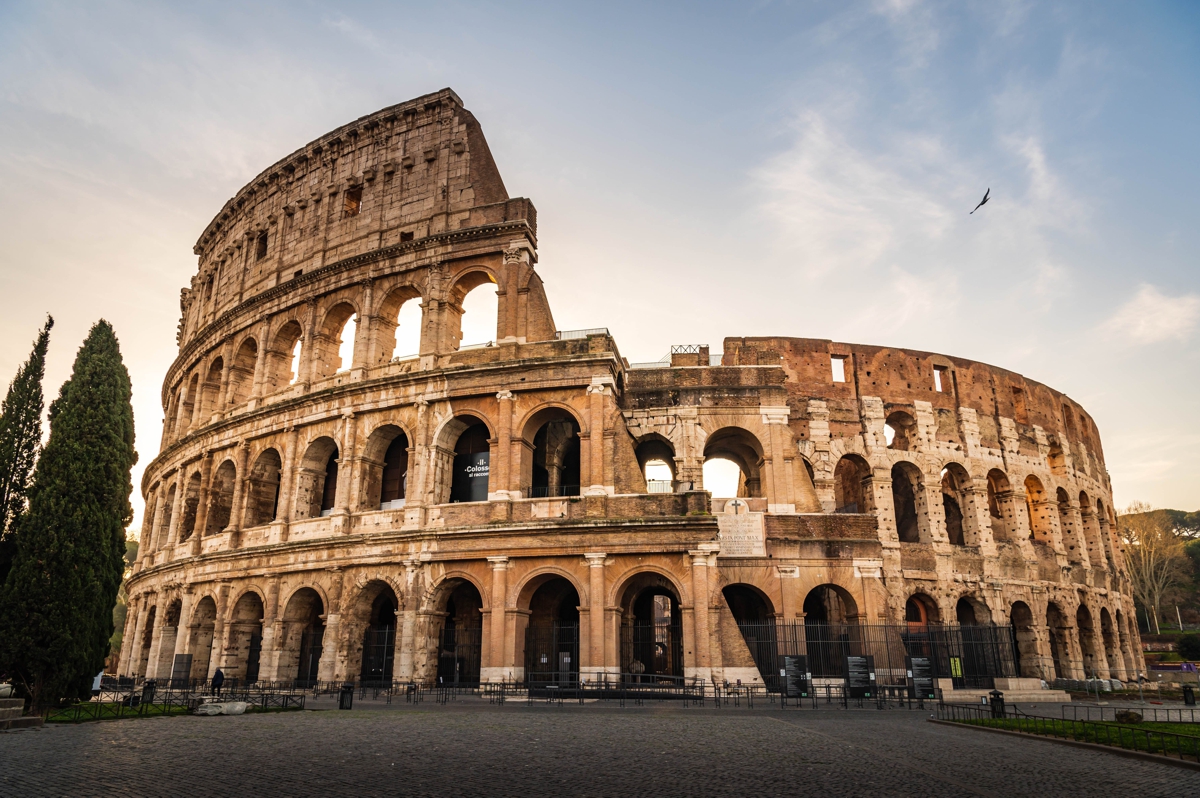
The best time to visit Rome in short
- April, May, late September and October — the sweet spots. Warm, walkable, busy but manageable.
- June to August — hot, crowded, expensive. July and August are the hardest.
- November to March — cool, quiet, cheap. Rain is more frequent but rarely persistent.
If you can only travel in summer, the trip is still very much worth doing; it simply requires restructuring around the heat, which we cover in detail in our guide to Rome in summer.
Season by season
Spring: March to May
March is transitional — highs in the mid teens, changeable, and still quiet enough to walk into most sights without a long wait. By April the city has warmed properly, wisteria is out over the courtyards in Trastevere, and daytime temperatures sit comfortably in the high teens to low twenties.
Two dates to know. Easter draws enormous crowds to the Vatican, with papal ceremonies filling St Peter’s Square and surrounding streets; it is extraordinary to witness and difficult to move around. And 21 April is Rome’s founding anniversary, marked with parades and events across the historic centre. May is warm, long-daylighted and genuinely busy, with hotel rates climbing towards their summer level.
Summer: June to August
June is hot but tolerable. July and August are not, at least not in the middle of the day — highs regularly reach the mid to high thirties, and the Roman Forum offers almost no shade. Heat aside, August has a particular character: many Romans leave for the coast, and a noticeable number of family-run restaurants and shops close for two or three weeks around Ferragosto on 15 August.
Summer visitors should treat 12:00 to 16:00 as unusable for outdoor sightseeing. Start at opening time, break for a long lunch and a rest, and return to the streets from late afternoon. Carry a refillable bottle — Rome’s nasoni drinking fountains run cold, free, potable water across the city and are one of the more useful pieces of Roman infrastructure.
Autumn: September to November
September is still warm, often into the high twenties, but the intensity has broken and evenings are pleasant. Late September and October are, for many regular visitors, the best weeks of the entire year: mild days, softer light, thinner crowds, and the start of autumn produce on restaurant menus. Rainfall increases through October and November, usually as short heavy showers rather than all-day drizzle.
November marks the drop into low season. Prices fall, queues shorten dramatically, and the city takes on a quieter, more local rhythm. Days are short but the Roman winter light is excellent.
Winter: December to February
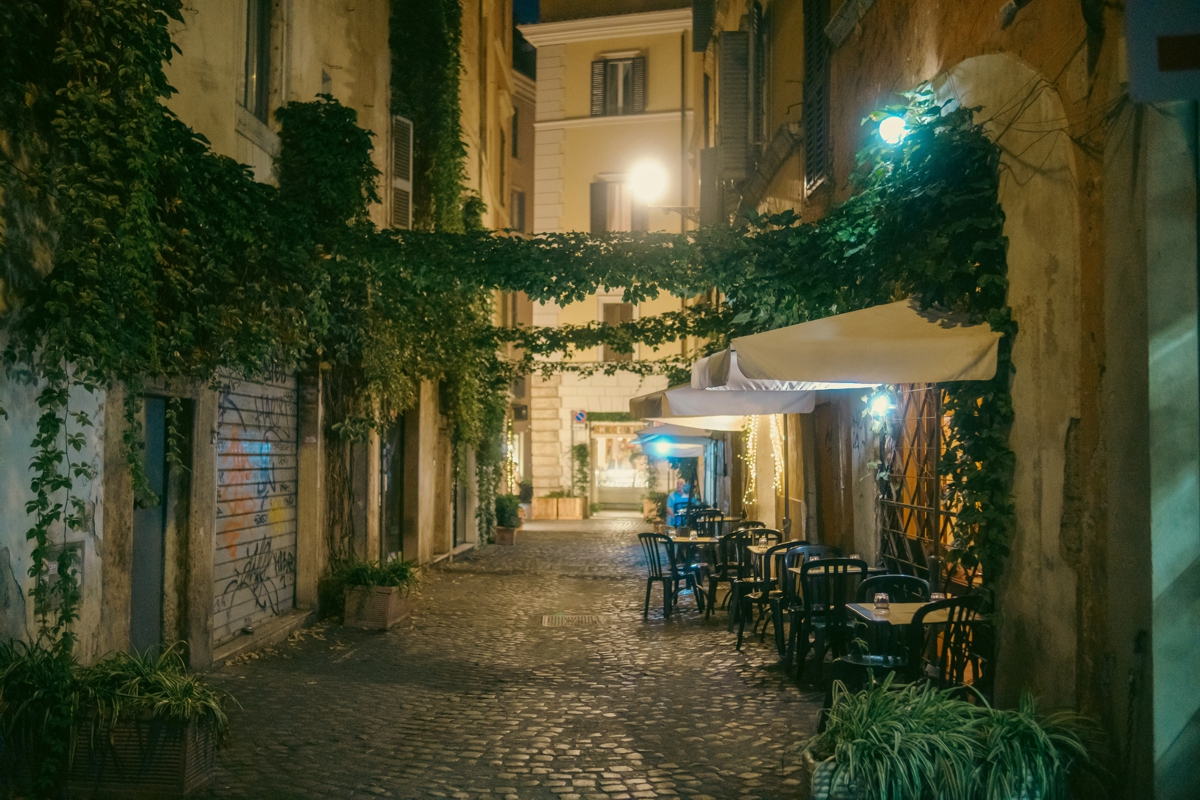
Rome winters are mild by continental standards — highs around 12–14°C, lows rarely near freezing, snow almost unheard of. It rains more than in summer, but sunny stretches are common. The Christmas period brings a spike in visitors and prices, with markets in Piazza Navona and nativity displays across the city, then January and February settle into the quietest weeks of the year.
Winter is the season to see the Vatican Museums and the Colosseum without spending your morning in a queue. It is also the cheapest time to fly and stay. The main compromise is daylight: plan outdoor sites for the middle of the day and museums or churches for the late afternoon.
Crowds and how to manage them
Rome’s crowding is concentrated in a small number of places rather than spread across the city. The Colosseum, Vatican Museums, Trevi Fountain and Spanish Steps absorb most of it. Ten minutes’ walk from any of them, the city is calm even in June.
Practical tactics
- Book timed entry in advance for the Colosseum and Vatican Museums in every season. In peak months, several weeks ahead. Current pricing and slots are published on the official Vatican Museums site.
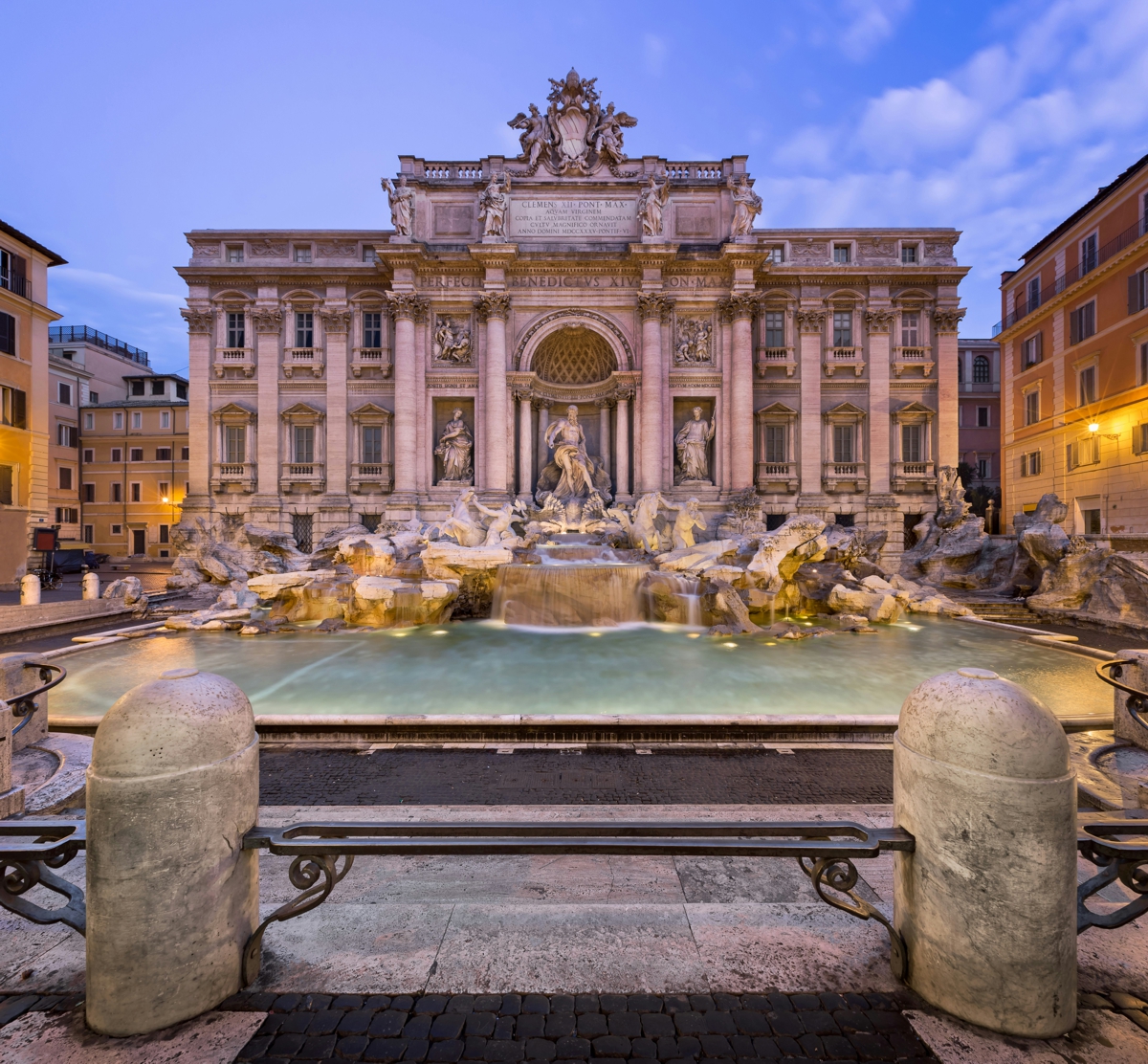
- Go early or late. The Trevi Fountain before 07:00 is a different experience entirely.
- Avoid Wednesday mornings near the Vatican if you are not attending the papal audience, which fills the area.
- Use the churches. Rome’s major basilicas are free, spectacular, air-conditioned by their own stone mass, and rarely crowded.
Rome’s event calendar worth planning around
A handful of dates reshape the city enough to be worth checking against your own. None of them should stop you travelling, but arriving unaware of them is how people end up with a booked-out hotel or a closed museum.
Religious dates
Easter week fills the Vatican and the streets around it, with the Way of the Cross at the Colosseum on Good Friday drawing very large numbers. Christmas Eve and Christmas Day bring services across the city and reduced opening hours almost everywhere. The Feast of Saints Peter and Paul on 29 June is a public holiday in Rome specifically, and many businesses close.
Civic and cultural dates
Ferragosto on 15 August is the deadest day of the Roman year — much of the city simply shuts. Liberation Day on 25 April and Labour Day on 1 May are national holidays with reduced services and a free open-air concert near San Giovanni on 1 May. The Estate Romana programme runs open-air cinema, concerts and markets along the Tiber through the summer months, which is one of the genuine arguments in favour of a July visit.
Free museum days
State museums and archaeological sites, including the Colosseum and Forum, typically offer free admission on the first Sunday of each month. This is excellent value and correspondingly busy — expect long queues and consider it a trade rather than a bargain. The Vatican Museums operate separately, with their own free day usually falling on the last Sunday of the month.
Prices through the year
Accommodation in Rome swings widely by season. Expect the highest rates around Easter, in May, June and September, and over the Christmas and New Year period. The lowest sit in January, February and early November — often less than half the peak equivalent for the same room. July and August fall somewhere in the middle: high international demand, but softened by locals leaving and by the heat deterring some travellers.
Flights follow a similar curve. Booking two to three months out is sensible for shoulder season; winter often rewards later booking.
How long to stay
Three full days is the practical minimum for ancient Rome, the Vatican and the historic centre without sprinting between them. Four or five lets you add Trastevere, the Appian Way, or a day trip to Ostia Antica or Tivoli. Our three-day Rome itinerary sequences the major sites to minimise walking in the heat, which matters from May onwards.
Whichever dates you settle on, neighbourhood choice shapes the trip as much as season does — staying near Monti or Trastevere puts you within walking distance of dinner, which is worth more than proximity to any monument. That, along with transport and budgeting detail, is covered in the full Rome travel guide.
FAQ
What is the best month to visit Rome?
October, narrowly, for the combination of mild weather, reduced crowds and lower prices. April and late September are close behind.
Is August too hot for Rome?
It is the hardest month, with highs frequently in the mid to high thirties and little shade at the main archaeological sites. It is manageable if you sightsee early and late and rest through the afternoon, but it is not the month to choose if you have flexibility.
When is Rome cheapest?
January and February, followed by early November. Hotel rates drop substantially and the major sites can be visited without long waits.
Do I need to book the Colosseum in advance?
Yes, in any season. Entry is timed and capacity-limited, and same-day tickets frequently sell out. Book online as far ahead as your dates allow.
Rome is one of those cities where the shoulder season genuinely is better rather than merely cheaper. If your dates are flexible at all, October is the month to aim for — warm enough for long evenings outside, cool enough to spend a whole morning on your feet in the Forum.