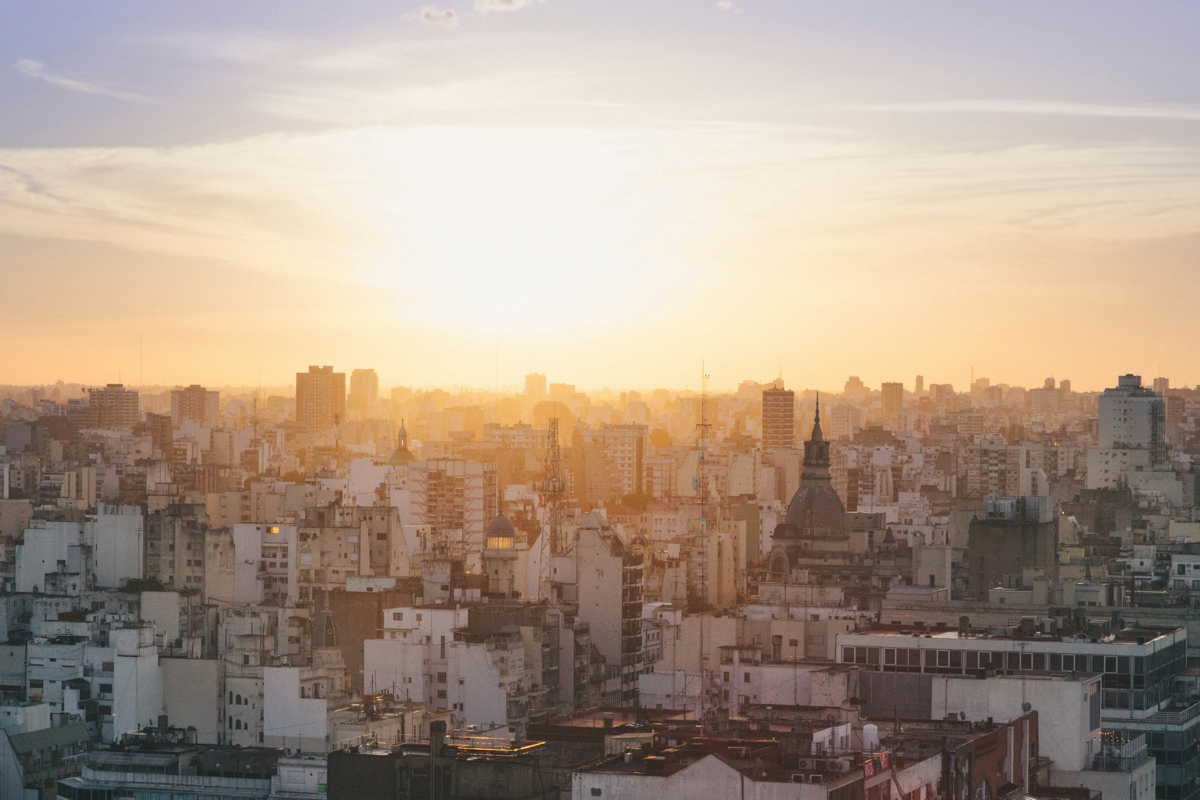
Buenos Aires does not behave like the rest of South America, and residents will tell you so within an hour of meeting you. This Buenos Aires travel guide covers the barrios worth your time, how tango actually works if you want to see it rather than watch a floor show, why the steak deserves its reputation, and how to handle money in a country where the exchange rate is a live subject.
The city is enormous — roughly three million people in the capital proper, closer to fifteen million across the metropolitan area — and organised into 48 official barrios. Visitors realistically spend their time in about eight of them. Distances are long, the grid is generous, and the architecture swings between Parisian apartment blocks, Italianate facades and brutalist concrete within a single street.
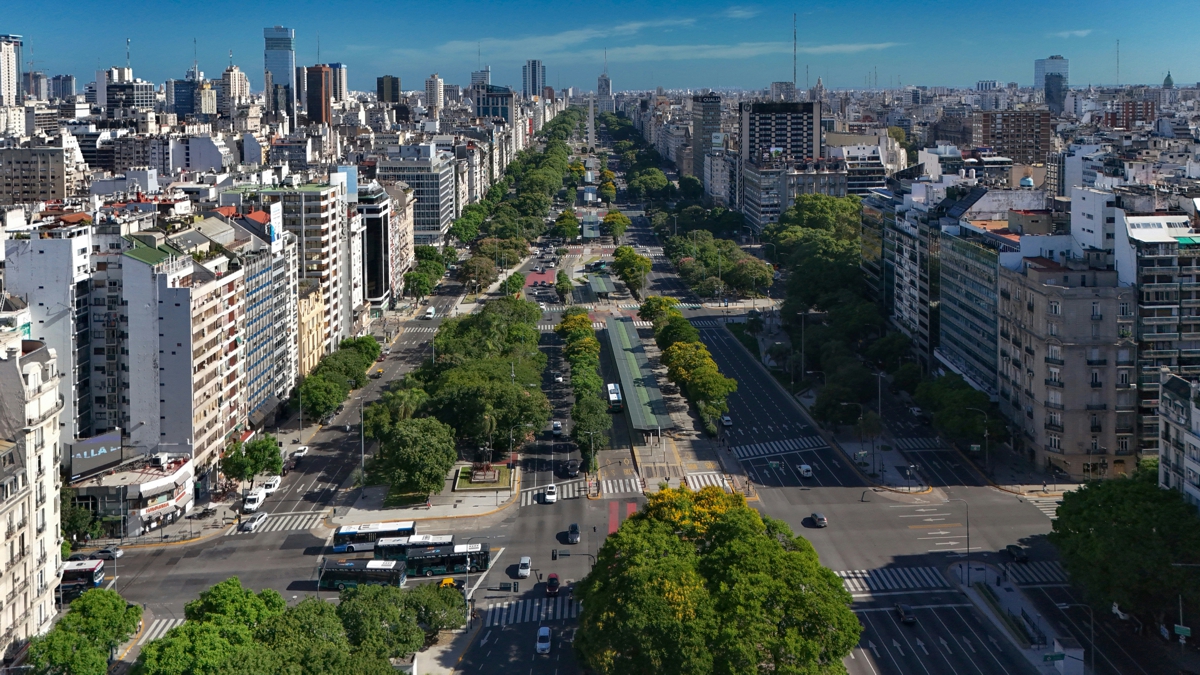
A Buenos Aires travel guide to the barrios
San Telmo
The oldest surviving quarter, with cobbled streets, antique shops and a covered market. On Sundays, Defensa street closes for the Feria de San Telmo, a market that runs for many blocks with street performers, leather goods, mate gourds and a great deal of tourist tat mixed with genuine antiques. Plaza Dorrego fills with impromptu tango in the late afternoon.
Recoleta
Grand, wealthy and French in appearance. Its centrepiece is the Recoleta Cemetery, a walled city of mausoleums where Eva Perón is buried alongside presidents and generals. Entry now carries a fee for foreign visitors; it is worth it, and an early visit avoids both heat and crowds. The surrounding streets hold the Museo Nacional de Bellas Artes and some of the city’s best-preserved belle époque architecture.
Palermo
Vast and subdivided by locals into Palermo Soho, Hollywood, Chico and more. Soho is the restaurant and boutique district; Hollywood grew up around television studios and has a slightly younger nightlife. The Bosques de Palermo, the city’s largest park system, includes a rose garden, a Japanese garden and the planetarium. Most visitors end up basing themselves here, and it is a reasonable choice.
La Boca
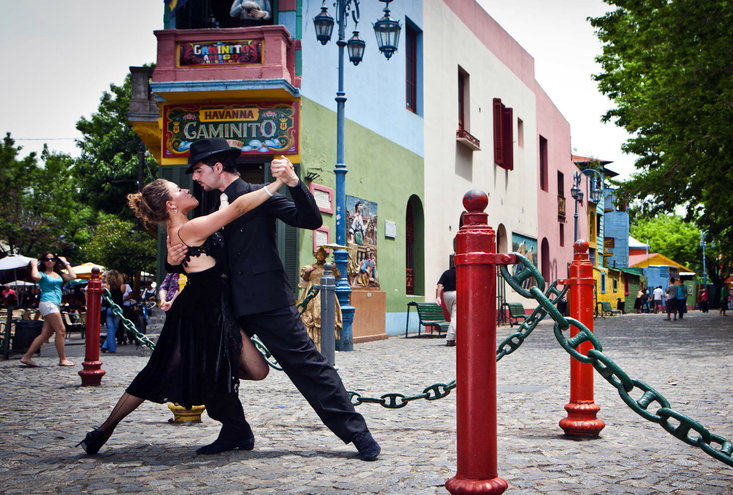
Known for the painted corrugated-iron houses of Caminito and for La Bombonera, Boca Juniors’ stadium. It is a working-class port neighbourhood and the tourist zone is small and tightly bounded — stay within it, visit during daylight, and take a taxi or ride-hail rather than walking in from elsewhere.
Puerto Madero and Costanera Sur
Redeveloped docklands with converted brick warehouses and modern towers. Beyond it lies the Reserva Ecológica Costanera Sur, 350 hectares of reclaimed riverbank that is now grassland, lagoons and birdlife, free to enter and a genuine surprise this close to the centre.
Tango: how to actually see it
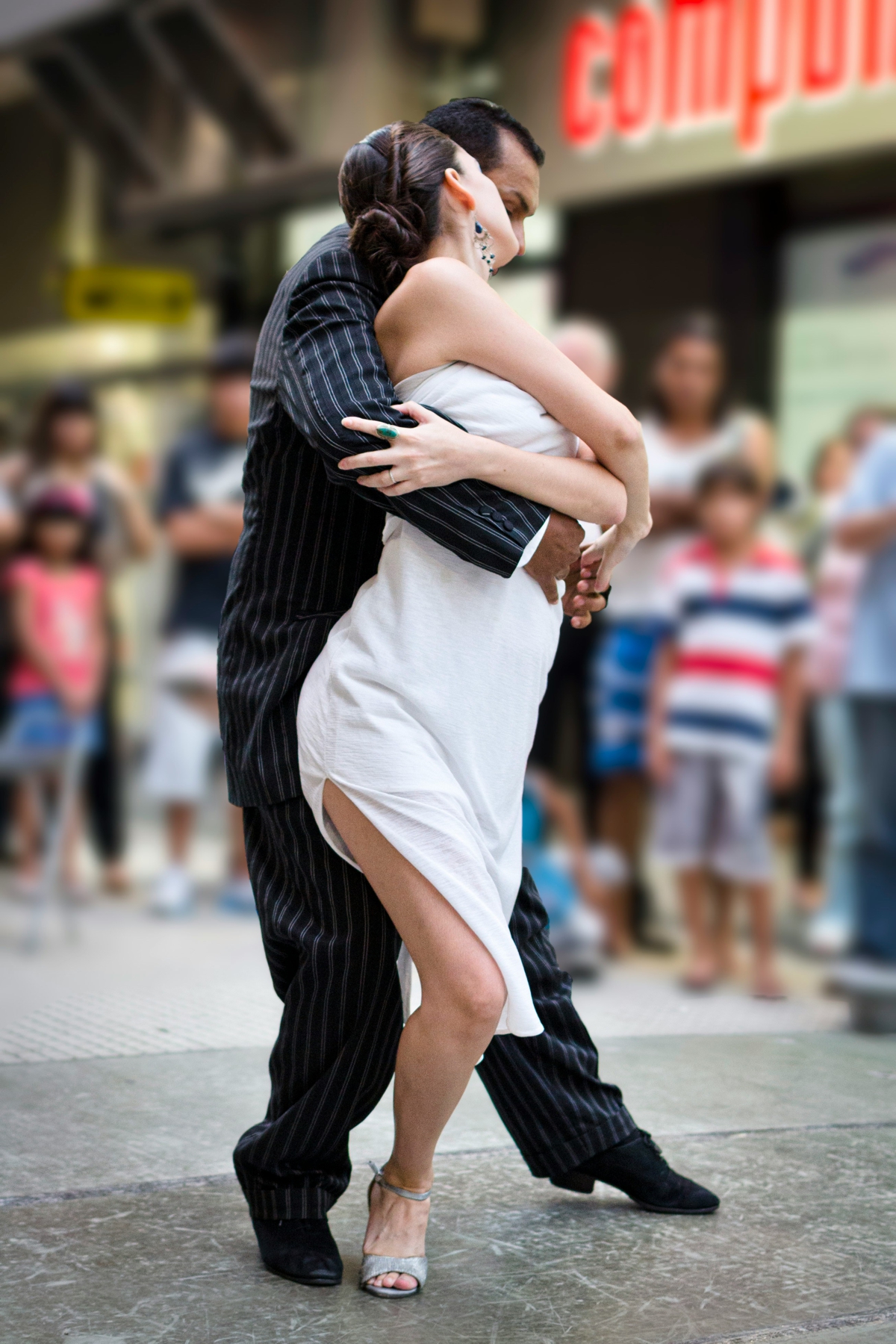
There are three tiers, and they are not interchangeable. Street tango in San Telmo or on Caminito is performance for tips — enjoyable, brief, not really the thing. Dinner shows are polished, choreographed stage productions aimed squarely at visitors; some are genuinely excellent, and they are priced accordingly.
Then there are milongas, the social dances where residents go to dance with each other. These run late — many do not warm up until midnight — and follow a strict etiquette: the cabeceo, a glance and nod across the room, is how invitations are issued, and dancers move in a counter-clockwise line of dance. Most milongas offer a beginner class beforehand, which is the natural way in for a visitor. Watch for an hour before attempting anything, and do not step onto the floor mid-song.
Eating: beef, empanadas and the long dinner
Argentine beef is largely grass-fed and cooked over wood or charcoal rather than gas. At a parrilla, the cuts to know are bife de chorizo (sirloin), ojo de bife (ribeye), vacío (flank) and entraña (skirt). Order it jugoso for rare, a punto for medium — the default here is more cooked than most visitors expect. Chimichurri comes as standard; steak sauce does not exist.
A few things that shape the eating day:
- Dinner starts late. Restaurants fill around 9.30 or 10pm. Arriving at 7.30 means an empty dining room and, often, a kitchen not yet running.
- Empanadas vary by province — beef, ham and cheese, humita, chicken — and the crimping pattern usually indicates the filling.
- Milanesa, a breaded cutlet, is the everyday staple, often served napolitana with ham, tomato and cheese.
- Cubierto is a small per-person cover charge for bread and table service. It is normal and not a scam.
- Mate is a social ritual, not a café order. If offered, drink it and pass the gourd back; do not stir the straw.
The city’s street-food culture is modest by global standards — the choripán stands along the Costanera are the main event, and the neighbourhood ferias are markets for produce and crafts rather than cooked food. If you have travelled through Asia, the contrast with the night markets of Southeast Asia is sharp: eating out here happens in restaurants, late, and at length.
Money and the exchange rate
Argentina’s currency situation has shifted repeatedly, and any specific rate quoted in an article will be out of date quickly. What holds true is that you should check the current situation shortly before you travel rather than relying on older advice.
Foreign cards are widely accepted, and in recent years international card payments have often been processed at a favourable tourist rate. ATMs dispense pesos but frequently have low withdrawal limits and high fixed fees, so each withdrawal is expensive. Bringing some cash to exchange remains common practice. Whatever route you take, carry small notes — change is perennially scarce.
Getting around
The Subte, the underground, is the fastest way to cross the centre and one of the oldest metro systems in the southern hemisphere. It runs roughly 5.30am to 11.30pm on weekdays, later on Saturdays, with reduced Sunday hours. Fares are low by international standards. You will need a SUBE card, sold at station booths, lottery outlets and many kioscos, or you can now tap contactless Visa and Mastercard cards and mobile wallets at the newer turnstiles.
Buses — colectivos — cover far more of the city than the Subte and also run on SUBE. Transfers within two hours are discounted. Ride-hailing apps operate and are generally cheaper and less fraught than street taxis. Avoid rush hour on the Subte if you can; carriages are packed and pickpocketing on crowded platforms is the city’s most common tourist crime.
When to go
Seasons are reversed. Summer, December to February, is hot and humid, and many residents leave for the coast, which quietens some neighbourhoods and closes some restaurants. Winter, June to August, is mild rather than cold — rarely below 5°C — and rarely snows.
Spring, September to November, and autumn, March to May, are the best windows: comfortable temperatures, jacaranda trees in bloom in November, and full city life. Many travellers pair Buenos Aires with Brazil, in which case timing around Carnival matters — our Rio de Janeiro travel guide covers what the city is like outside festival season, and the dedicated Rio Carnival planning guide explains how far ahead you need to book if you want to be there for it.
FAQ
How many days do you need in Buenos Aires?
Four to five days covers the main barrios, a milonga, the cemetery and a proper parrilla dinner without rushing. Add a day for a trip to Tigre delta or across to Colonia in Uruguay.
Is Buenos Aires safe?
Violent crime against visitors is uncommon, but opportunistic theft is not. Keep phones out of sight on the street, use ride-hailing at night, and be particularly alert around Retiro, Constitución and on crowded Subte platforms.
Do I need Spanish?
It helps considerably. English is common in Palermo and Recoleta hospitality but not elsewhere. Argentine Spanish uses vos instead of tú and pronounces “ll” and “y” as a soft “sh” sound, which throws off learners initially.
Should I book a tango show or a milonga?
Do both if time allows. A show gives you the choreographed spectacle; a milonga with a beginner class gives you the living tradition. The milonga is the more memorable of the two.
Buenos Aires does not reveal itself on a tight schedule. Eat late, walk more than you planned, and let a café stop run to two hours — that is how the city is meant to be used.