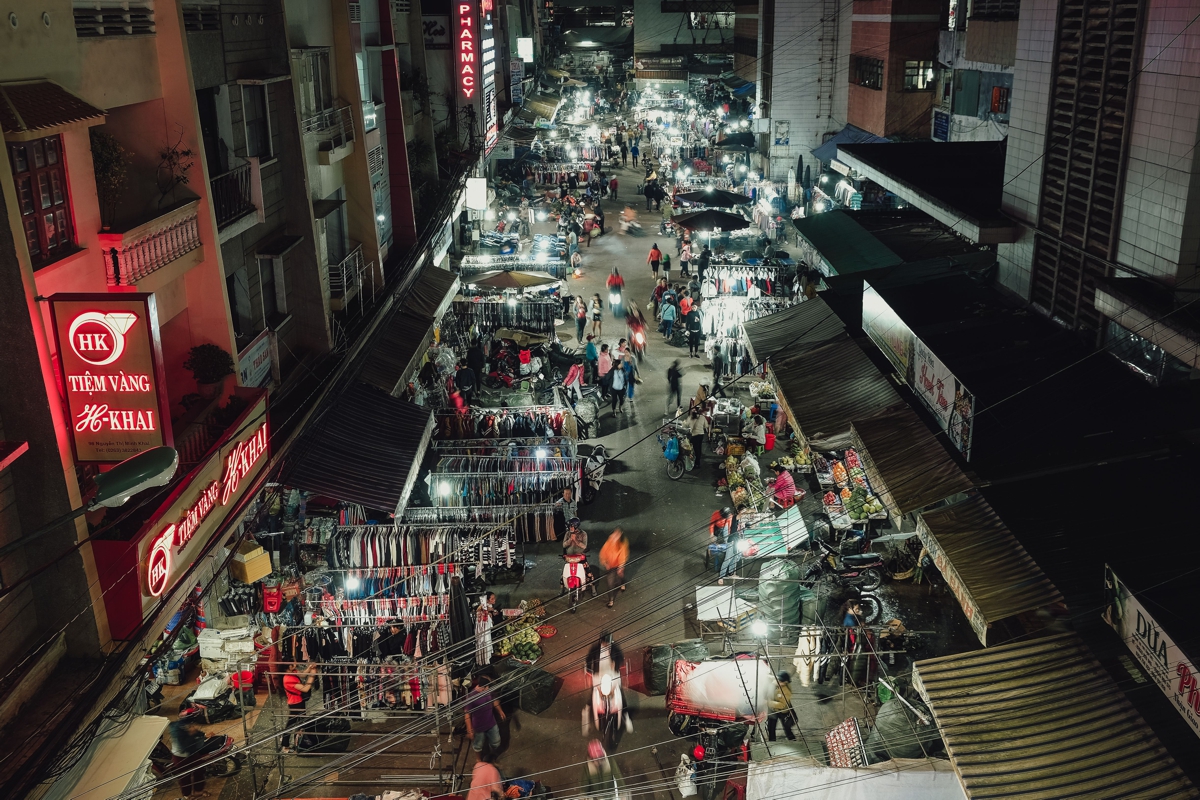
The night markets of Southeast Asia are where the region’s food, commerce, and social life come together after dark. As the heat of the day fades, streets and empty lots fill with food carts, clothing racks, craft stalls, and live music, and locals and travellers eat their way from one end to the other. Southeast Asia dominates global rankings of night markets, and this guide covers the best of them, what makes each one worth a visit, and how to make the most of a night out among the stalls.
Why Southeast Asia does night markets best
Warm evenings, a deep street food culture, and a tradition of open-air commerce make the region the natural home of the night market. Recent global rankings placed the majority of the world’s top markets in Southeast Asia, with Thailand alone claiming several of the highest spots. These are not tourist inventions but living institutions, where families shop, teenagers gather, and cooks turn out food that rivals any restaurant. For the traveller, they offer the cheapest, most vivid introduction to a city after dark.
Bangkok is the region’s night market capital, and if the city is on your route, our dedicated Bangkok street food guide digs deeper into what to order once you are there.
The best night markets in Southeast Asia
Chatuchak and Bangkok’s markets
Bangkok’s Chatuchak Weekend Market is one of the largest markets in the world, with thousands of stalls, and it regularly tops global rankings. While best known as a daytime weekend market, the wider area and nearby markets keep the food and shopping going into the evening. Elsewhere in the city, Jodd Fairs has become a hugely popular night market for street food, and Asiatique combines a riverside night market with an open-air mall on the banks of the Chao Phraya.
Chiang Mai’s night bazaars
Chiang Mai in northern Thailand is famous for its markets. The Night Bazaar stretches across several blocks selling hill-tribe handicrafts, clothing, and northern Thai food, while the Sunday Walking Street closes central roads to traffic and fills them with kilometres of stalls, crafts, and live music. The Saturday Walking Street on Wualai Road is smaller but equally rewarding, known for its silverware artisans and food courts tucked into temple grounds. Northern specialities like khao soi, the coconut curry noodle soup, and sai oua sausage are the dishes to seek out. To plan a proper stay around them, our Chiang Mai travel guide covers where to base yourself and how the markets rotate through the week.
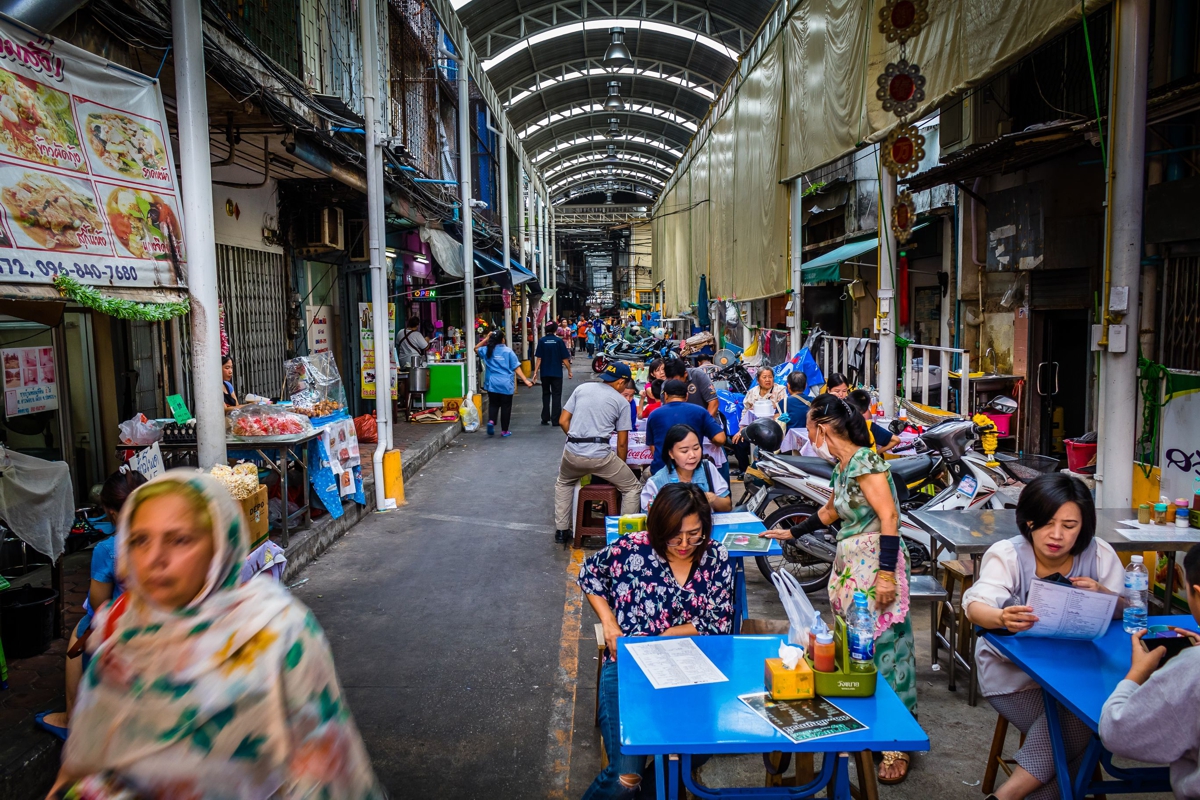
Taipei’s Shilin and Raohe
Taiwan sits at the northern edge of the region’s night market world but belongs in any serious list. Taipei’s Shilin Night Market is the city’s largest and most overwhelming, with an underground food court and street-level stalls, while Raohe Street is more compact and beloved for its pepper buns and oyster vermicelli. These markets are a masterclass in the form.
Singapore’s hawker alternative
Singapore does not have sprawling informal night markets on the scale of Bangkok or Taipei, largely because its strict hygiene rules, high land costs, and well-organised hawker centres have absorbed much of what would be street vending elsewhere. The hawker centres, open late and packed with stalls, are the city’s answer to the night market and are superb in their own right. Our full Singapore travel guide explains how to navigate them and what to order.
Kuala Lumpur and beyond
Kuala Lumpur’s pasar malam, or night markets, rotate through different neighbourhoods on different nights, serving satay, char kway teow, and tropical fruit. Across the region, from Luang Prabang’s handicraft market to Hoi An’s lantern-lit riverside stalls, night markets remain a defining travel experience.
Vietnam and the wider region
Beyond the headline names, dozens of smaller markets define local life. Hoi An’s night market glows with silk lanterns along the Thu Bon river, its stalls selling white rose dumplings and grilled corn. Hanoi’s weekend night market takes over the Old Quarter, while in Laos the Luang Prabang handicraft market is one of the region’s most relaxed, focused on textiles and quiet food courts rather than crowds. Ho Chi Minh City’s Ben Thanh area spills into an open-air night market once the covered hall closes. Each has its own character, and stumbling on a small local pasar malam you had never heard of is one of the real joys of travelling the region.
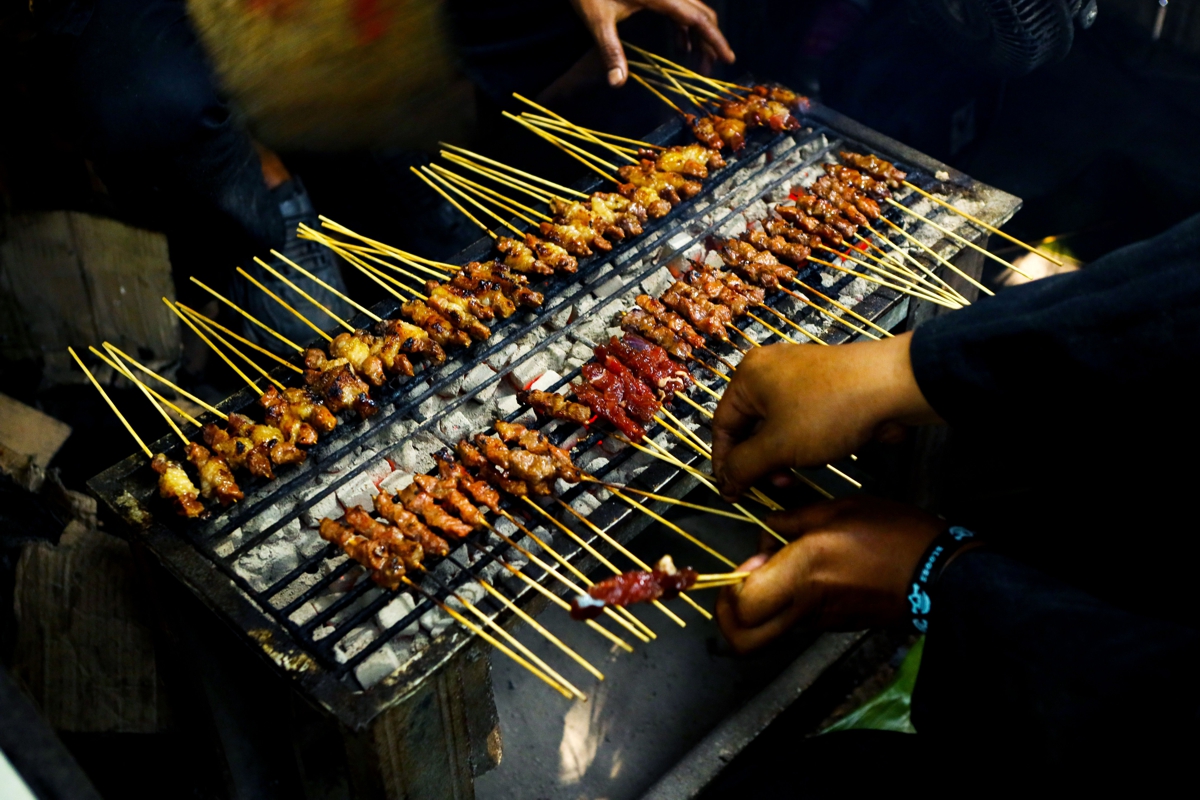
What to eat at a Southeast Asian night market
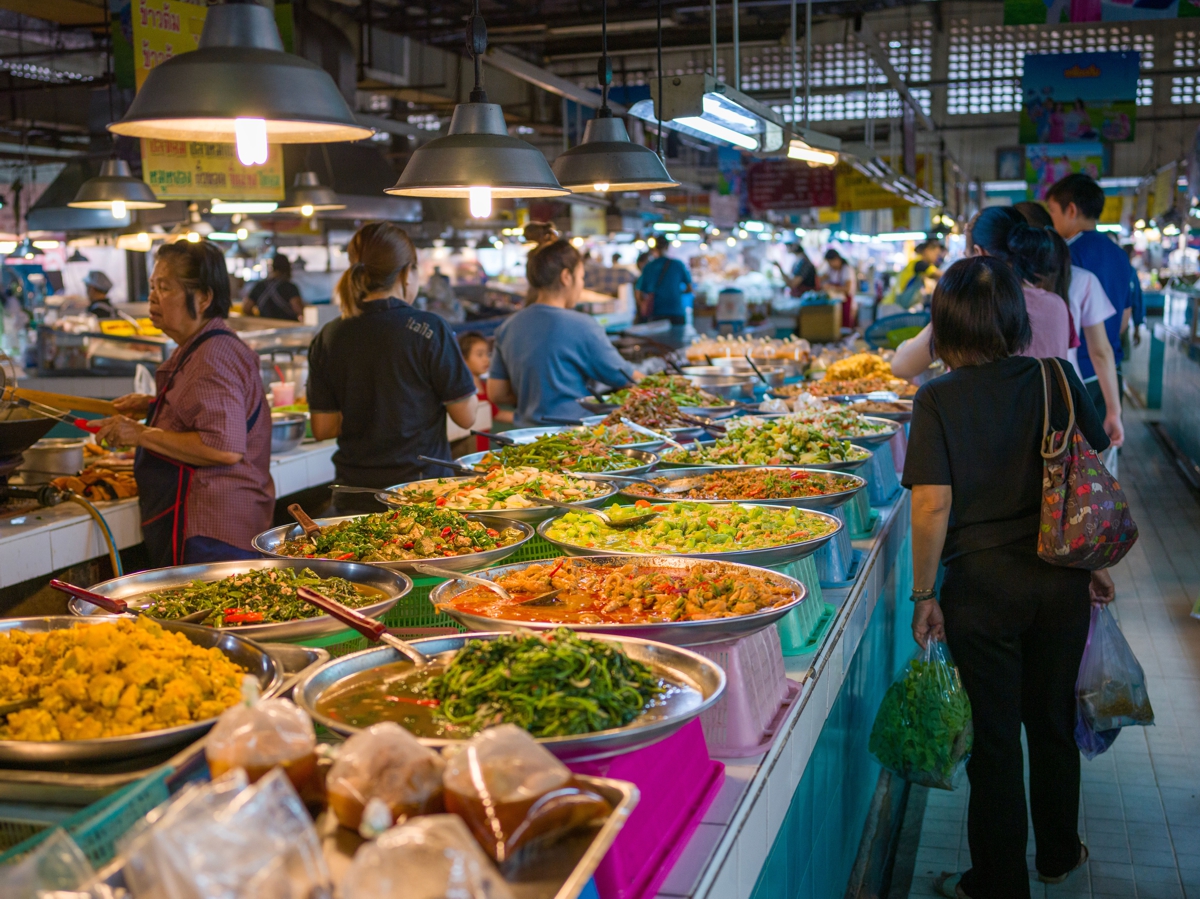
The joy of a night market is grazing. Look for grilled skewers and satay, noodle soups made to order, fresh spring rolls, oyster omelettes, tropical fruit and smoothies, and rows of sweets and desserts. Regional specialities are the highlight: khao soi in Chiang Mai, pepper buns and stinky tofu in Taipei, satay and char kway teow in Kuala Lumpur, mango sticky rice in Bangkok. The unwritten rule is to buy small portions from many vendors rather than filling up at one, so you can taste widely, and to follow the longest local queues, which almost always lead to the best food.
More than food
While the eating is the main draw, the best night markets are complete social worlds. Alongside the food you will find stalls of clothing and knock-off fashion, handmade crafts and souvenirs, phone accessories, fortune tellers, live music, and games. Bargaining is expected at many of them, done with good humour rather than hard edges. For families, teenagers, and travellers alike, the market is the evening’s entertainment as much as its dinner, and lingering to browse and people-watch between bites is very much part of the ritual rather than a distraction from it.
Practical tips
Timing and money
Most night markets get going in the early evening and peak between about 7pm and 10pm. Carry small notes and coins, as many stalls do not take cards, and keep valuables secure in the crowds. Arriving hungry and pacing yourself across many stalls is the way to do it.
Fitting markets into a trip
Night markets are easy to build around, since they come alive just as sightseeing winds down. For travellers linking several countries, our Southeast Asia itinerary shows how to route between the region’s great food cities without wasting days in transit.
FAQ
Which country has the best night markets in Southeast Asia?
Thailand is widely considered the leader, with Bangkok’s Chatuchak and Jodd Fairs and Chiang Mai’s night bazaars regularly topping global rankings. Taiwan’s Taipei markets are also outstanding for food lovers.
What time do night markets open?
Most open in the late afternoon and reach their peak between roughly 7pm and 10pm. Some walking-street markets run only on specific nights, such as Chiang Mai’s Sunday Walking Street.
Are night markets in Southeast Asia safe?
Yes, generally. They are busy, social places, though it is wise to watch belongings in crowds and to follow standard street food precautions, eating from busy stalls with fast turnover.
How much money should I bring to a night market?
Not much is needed. Food and goods are cheap, but bring small denominations of local currency since most stalls are cash only and change for large notes can be scarce.
Night markets are the pulse of Southeast Asia after dark. Whether you are chasing khao soi in Chiang Mai or pepper buns in Taipei, arrive hungry, carry small notes, and let the lights and the crowds pull you from stall to stall.