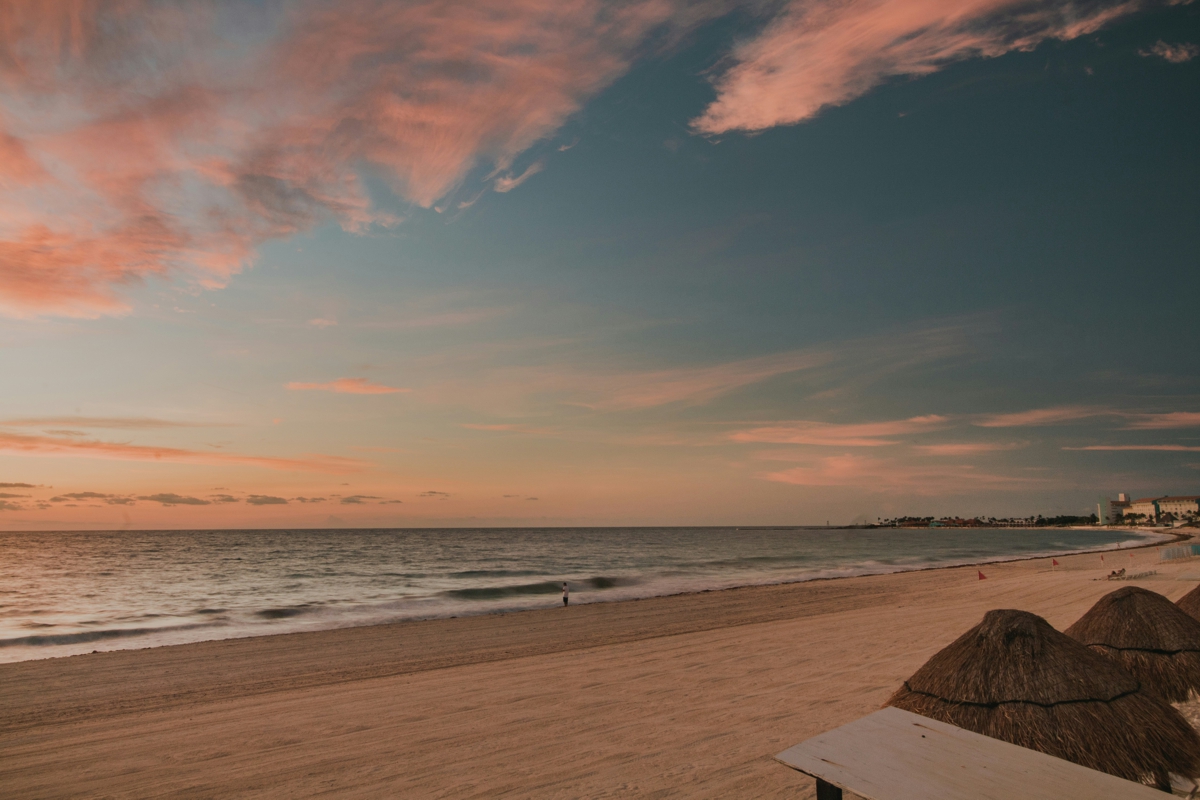
The strip of Caribbean coast running south from Cancun to Tulum is one of the most heavily developed tourism corridors in the Americas, and also the gateway to a limestone landscape full of sinkholes, Maya cities and the second-largest barrier reef on the planet. Both things are true at once. A useful Cancun travel guide has to handle the resort zone and the world beyond it, because most trips involve some of each.
Quintana Roo state runs on tourism, which means infrastructure is good, English is widely spoken, and prices in visitor areas are quoted in dollars as often as pesos. It also means the difference between the packaged version of the region and the independent one is unusually stark.
Arrival, costs and the paperwork nobody mentions
Visitax
Quintana Roo charges a state tourism tax, Visitax, of 285 pesos per foreign visitor — roughly USD 15 at recent rates. It is paid once per trip, not per night, and there is no age exemption, so infants pay the same as adults. Payment is online only through the state portal, and you receive a QR code by email for each traveller. Enforcement tightened recently, with checkpoints at Cancun airport scanning codes from departing passengers before security. Pay it early in your trip and save the QR codes offline.
Be careful which site you use — several lookalike domains charge inflated “service fees” for the same government transaction. The official one is visitax.gob.mx.
Getting from the airport
Cancun International is the second-busiest airport in Mexico and the transfer touts inside the terminal are aggressive. Pre-booked shuttles, the ADO bus to Cancun’s downtown bus station and to Playa del Carmen, and official taxi ranks all work. Ride-hailing operates but has had a contentious relationship with local taxi unions, and airport pickups have been restricted at times. Booking a transfer in advance is the low-friction option, particularly if you are heading to Tulum, which is around 90 minutes to two hours away.
Money
Pay in pesos wherever you can. Businesses that quote in dollars set their own exchange rate, and it is rarely in your favour. Cards are accepted almost everywhere in the resort corridor; carry cash for colectivos, small beach restaurants, cenote entry fees and tips.
Choosing a base along the coast
The single biggest decision on this trip is where you sleep, because the coast is long and the character changes every 30 kilometres.
Cancun
Cancun splits cleanly into two. The Hotel Zone is a barrier island of large resorts, with genuinely excellent white sand and calm water at the northern end and stronger surf further south. Downtown Cancun, on the mainland, is an ordinary Mexican city with far cheaper food and no beach. The Hotel Zone suits travellers who want all-inclusive convenience and a short flight-to-lounger time.
Playa del Carmen
An hour south, Playa is walkable, dense and more European in feel, built around the Quinta Avenida pedestrian strip. It has the best restaurant range on the coast and easy ferry access to Cozumel. It is also the most commercial of the towns.
Tulum
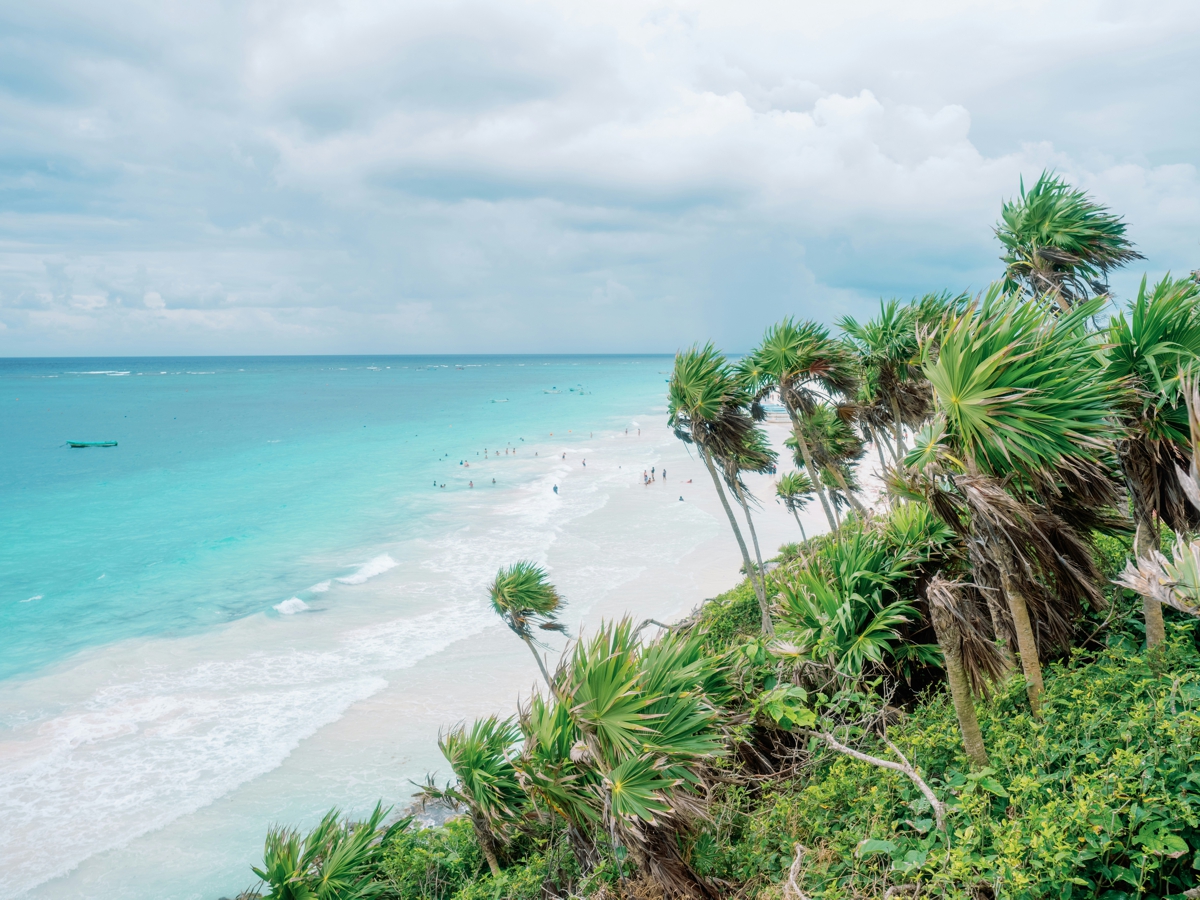
Tulum divides between a functional inland town and a beach road lined with boutique hotels. It has become expensive out of proportion to what it offers, and the beach road has ongoing issues with sargassum seaweed and infrastructure. The Maya ruins on the cliff above the sea remain genuinely spectacular, and the cenote density in the surrounding jungle is the highest anywhere.
Puerto Morelos, Akumal and Bacalar
Puerto Morelos, between Cancun and Playa, is a small fishing town with a reef directly offshore. Akumal is known for green turtles grazing in the bay. Bacalar, three hours further south, sits on a freshwater lagoon of extraordinary colour and is a different trip entirely — quieter, cheaper and worth two or three nights if you have them.
Our zone-by-zone comparison of where to stay in Cancun and the Riviera Maya works through the trade-offs in detail.
What a Cancun travel guide should actually send you to
Maya archaeology
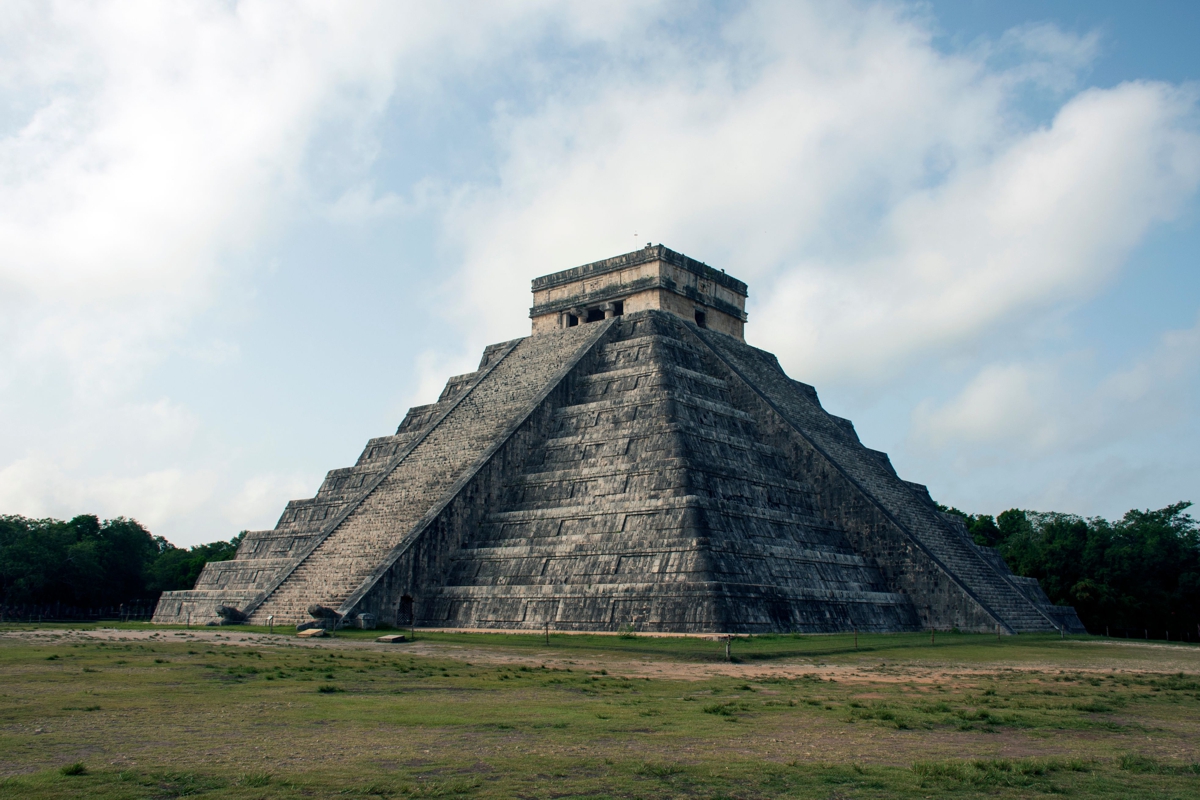
Chichen Itza is the famous one: a UNESCO site roughly two and a half hours inland, dominated by the stepped pyramid of El Castillo. Arrive at opening or you will share it with several thousand people and cruise-ship groups. Tulum is smaller but has the setting. Coba, in the jungle, has a large pyramid and is best explored by bicycle along shaded paths. Ek Balam is less visited and has remarkably preserved stucco. Further afield, Uxmal in Yucatan state is architecturally the most refined of the group and sees a fraction of Chichen Itza’s numbers.
Entry to major sites involves two separate fees — a federal charge and a state charge — so bring cash and expect the total to be higher than the headline figure you saw online.
Cenotes
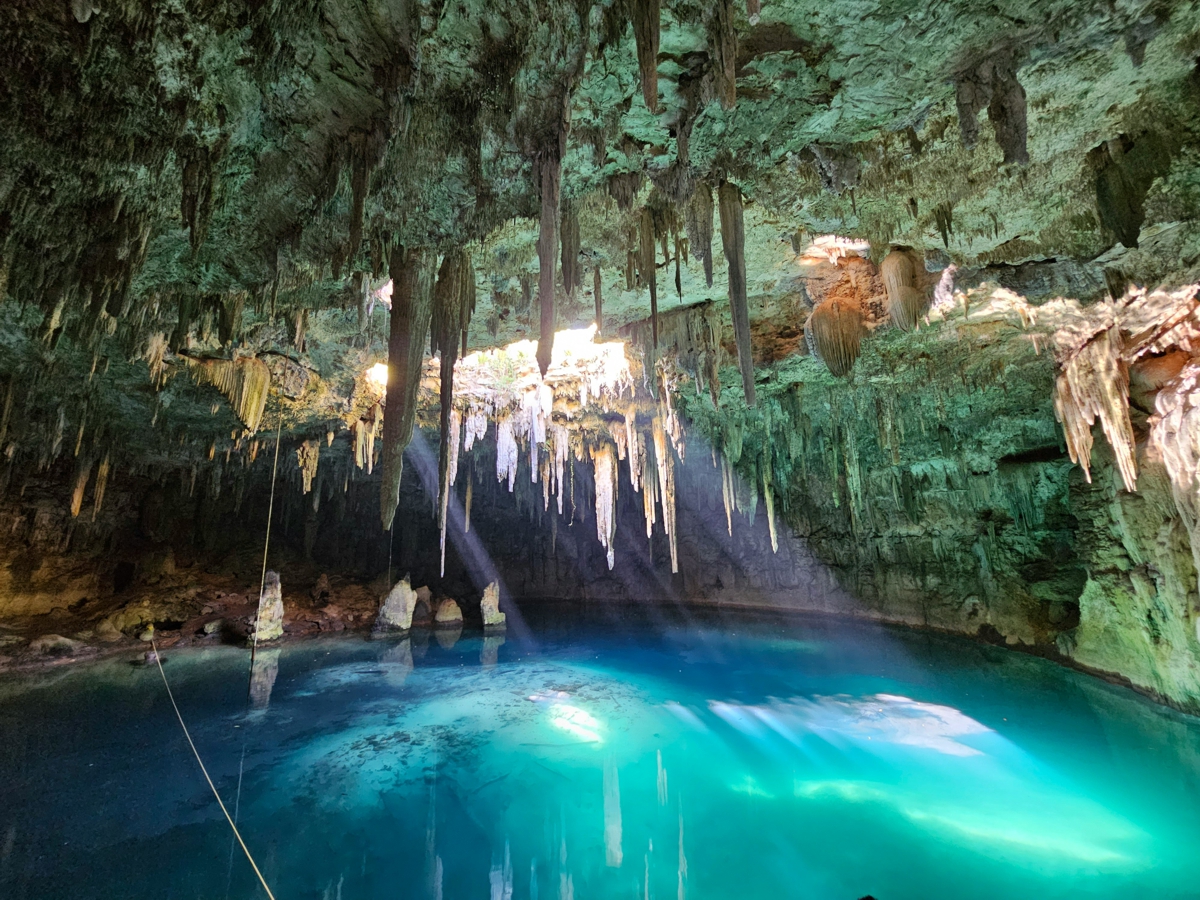
The Yucatan peninsula has no surface rivers. Rainwater drains through porous limestone into an enormous underground network, and cenotes are the collapsed openings into it. They range from open swimming holes to cathedral-like caverns reached by wooden stairs. Gran Cenote, Dos Ojos and Cenote Azul near Tulum are the accessible classics; dozens of smaller ones are signposted along the highway and cost a modest cash entry fee. Sunscreen is banned at most, since it damages the water chemistry — bring a rash guard instead.
The reef and the islands
The Mesoamerican Barrier Reef runs the length of the coast. Cozumel, reached by ferry from Playa del Carmen in about 45 minutes, is the best diving base and the drift diving along Palancar and Santa Rosa is world-class. Isla Mujeres, a short ferry from Cancun, is smaller and easier — golf carts, a good beach at Playa Norte, and a manageable day trip. Isla Holbox to the north is car-free, sandy-streeted and slower.
Whale sharks aggregate off the northern coast in summer, typically June to September, and tours run from Cancun, Isla Mujeres and Holbox. Choose operators that limit swimmer numbers and keep their distance.
See our roundup of 15 things to do in Cancun and the Riviera Maya for the wider list.
All-inclusive or independent?
This coast is where the all-inclusive model is at its most developed, and it genuinely suits some trips. If you are travelling with small children, if you want a fixed cost agreed before departure, or if the goal is five days of not making decisions, the maths often works — particularly at the larger Hotel Zone and Playa del Carmen properties where food, drinks, kids’ clubs and non-motorised watersports are bundled.
It works less well if you intend to leave the property regularly. Every meal eaten at a cenote, in Valladolid or on Cozumel is one you have already paid for. Travellers who plan to spend three or four days inland or island-hopping usually come out ahead in a boutique hotel or apartment, eating locally.
A middle path is common: two or three nights all-inclusive at the start or end of the trip for the beach portion, and the rest in smaller accommodation closer to the ruins and cenotes. Sargassum is worth factoring in here too — a resort with staff clearing the sand every morning is a meaningful advantage in the months when the seaweed arrives.
Getting around
The coast is served by Highway 307, and three options cover almost every journey. Colectivos — shared vans — run constantly between Playa del Carmen and Tulum, stopping anywhere along the highway, and cost very little. The ADO bus network is comfortable, air-conditioned and reliable for longer runs including Chichen Itza, Merida and Bacalar. Rental cars make sense if you plan to chase cenotes and smaller ruins on your own schedule.
If you rent, two warnings. Mexican third-party liability insurance is legally mandatory and is not covered by most credit card policies, so the headline rental rate will rise at the counter. And topes — speed bumps — are frequent, often unmarked, and unforgiving.
A newer intercity rail line now links parts of the peninsula, and services and schedules have been expanding. Check current timetables close to your trip rather than relying on older information. Our guide to buses, colectivos and rentals in the Riviera Maya covers the practicalities.
Food
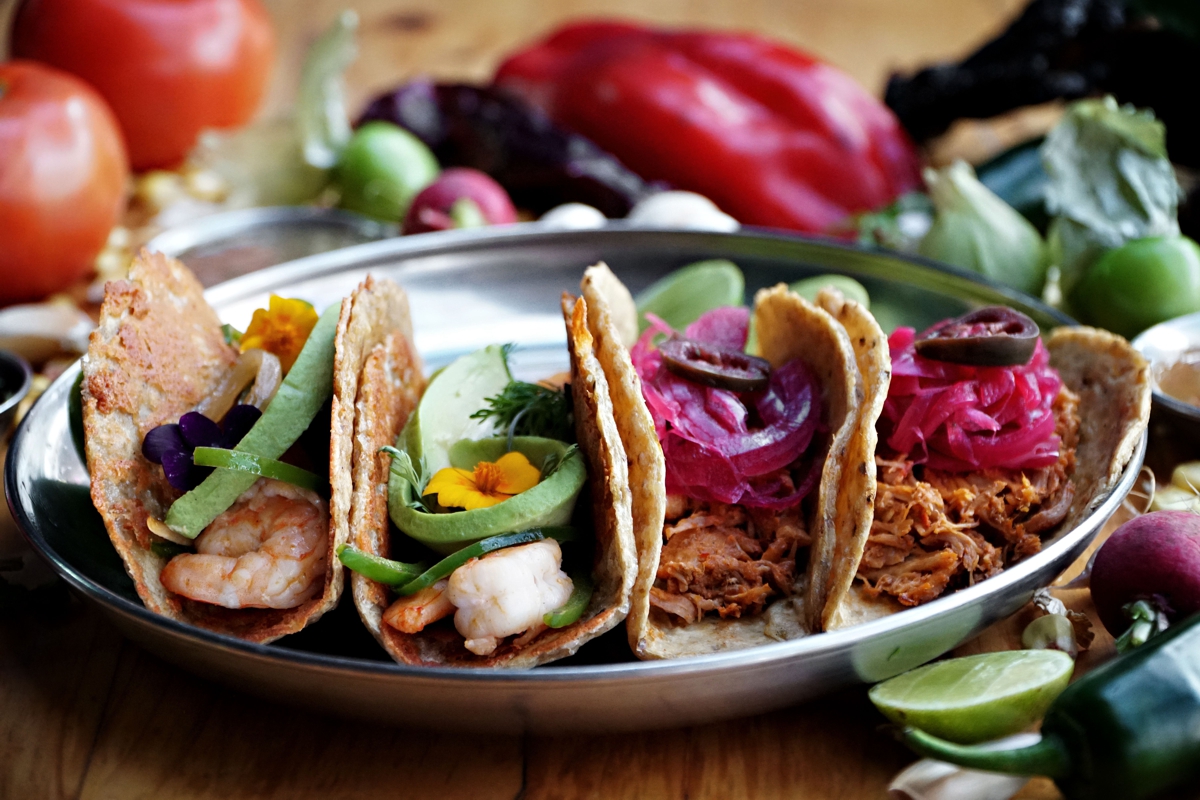
Yucatecan cooking is distinct from central Mexican food and is the reason to eat outside your resort. Cochinita pibil — pork marinated in bitter orange and achiote, wrapped in banana leaf and slow-cooked — is the regional signature, usually eaten in tacos at breakfast. Sopa de lima is a lime and turkey broth with crisp tortilla strips. Panuchos and salbutes are fried tortilla bases topped with meat and pickled red onion.
On the coast, add ceviche, aguachile and the whole fish grilled Tikin Xic style with achiote. Habanero salsa appears on most tables and is considerably hotter than the jalapeño-based sauces visitors may be used to.
Prices vary enormously by location. A taco stand in downtown Cancun or inland Tulum charges a small fraction of what a beach-road restaurant does for comparable food. Our guide to what to eat in Cancun and the Riviera Maya lists the dishes worth hunting down.
Timing, weather and sargassum
The dry season runs roughly December to April, with warm days, low humidity and the highest prices. December through early January and the mid-March to mid-April spring break window are the busiest and most expensive periods of the year.
Hurricane season officially spans June to November, with peak risk concentrated in September and October. Direct hits are uncommon in any given year, but tropical systems bring rain and rough seas, and travel insurance is worth having. May and November are good compromises: warm water, lower rates, manageable crowds.
Sargassum seaweed is the variable most guides underplay. Large mats of it wash ashore along the Caribbean coast, typically worst from around April through August, though it varies year to year and beach to beach. Resorts with the resources rake it daily; smaller beaches may not. Cozumel’s western shore and Isla Mujeres’ Playa Norte are usually less affected because of how they sit relative to the currents. Recent sargassum-monitoring maps are published seasonally and worth checking in the week before you travel.
Our breakdown of Cancun weather and hurricane season goes month by month.
Safety and etiquette
The tourist corridor is heavily policed and the everyday risks are ordinary: petty theft from beaches, taxi overcharging, and dehydration. Check your own government’s current travel advice for Quintana Roo before booking, as guidance is issued state by state and does change.
Practical points that matter more than they sound: reef-safe sunscreen is required at cenotes and expected on reef tours, and ordinary sunscreen is often confiscated. Rip currents affect the southern Hotel Zone beaches, and the flag system is enforced. Do not touch or stand on coral. At Maya sites, climbing the structures is prohibited at nearly all of them now, including El Castillo at Chichen Itza.
Building the trip
A week is the natural length. Two or three days at one coastal base, a day inland for ruins and cenotes, a day on Cozumel or Isla Mujeres, and enough unscheduled time that the beach actually gets used. Trying to do Chichen Itza, Coba, Tulum ruins, three cenotes and a reef trip in the same week produces a holiday spent mostly in a van.
Our seven-day Cancun and Riviera Maya itinerary paces it properly.
FAQ
Is Cancun or Playa del Carmen better for a first visit?
Cancun for beach quality and all-inclusive resorts with the shortest transfer from the airport. Playa del Carmen for walkability, restaurants and easier access to Cozumel and the cenote belt. Tulum only if the boutique-hotel aesthetic is specifically what you want.
Do I have to pay Visitax?
Yes, if you are a foreign visitor to Quintana Roo. It is 285 pesos per person, paid once per trip online, and it is being checked at Cancun airport on departure. Mexican nationals and residents are exempt.
When is sargassum seaweed worst?
Generally spring into late summer, with the heaviest arrivals often between April and August. It varies significantly by year and by beach, and west-facing shores like Cozumel’s are typically clearer.
Do I need a rental car?
Not for a resort-based trip — colectivos and ADO buses cover the corridor cheaply. A car pays off if you want to reach smaller cenotes, Ek Balam, or the Bacalar lagoon on your own timetable.
A closing thought
The coast’s reputation as a package-holiday strip is earned, but it is also a thin layer over something older and stranger. An hour off the highway there are sinkholes with no signage and villages where the tourism economy has not reached. You do not have to choose between the two versions — you just have to leave the resort at least once.