
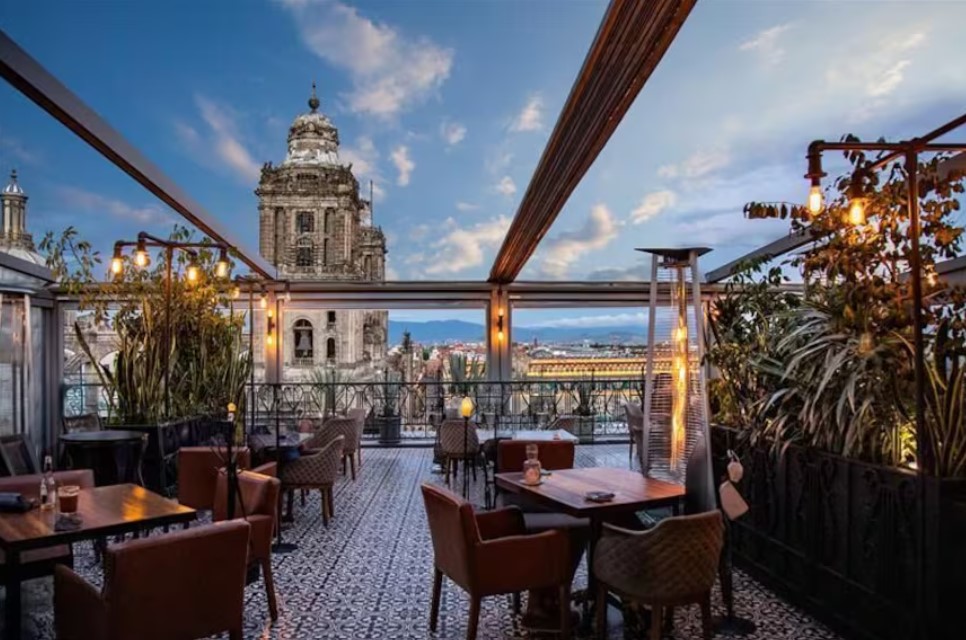
The best restaurants in Mexico City live at two extremes that the city holds together with unusual grace. At one end are the world-ranked tasting-menu temples of Polanco and Roma; at the other are the fondas, the small family-run canteens where a three-course comida corrida costs a few dollars and tastes like someone’s grandmother cooked it. The genius of eating in CDMX is refusing to choose, letting a Michelin dinner and a market fonda lunch sit in the same day without contradiction.
Fine Dining: Mexico City on the World Stage
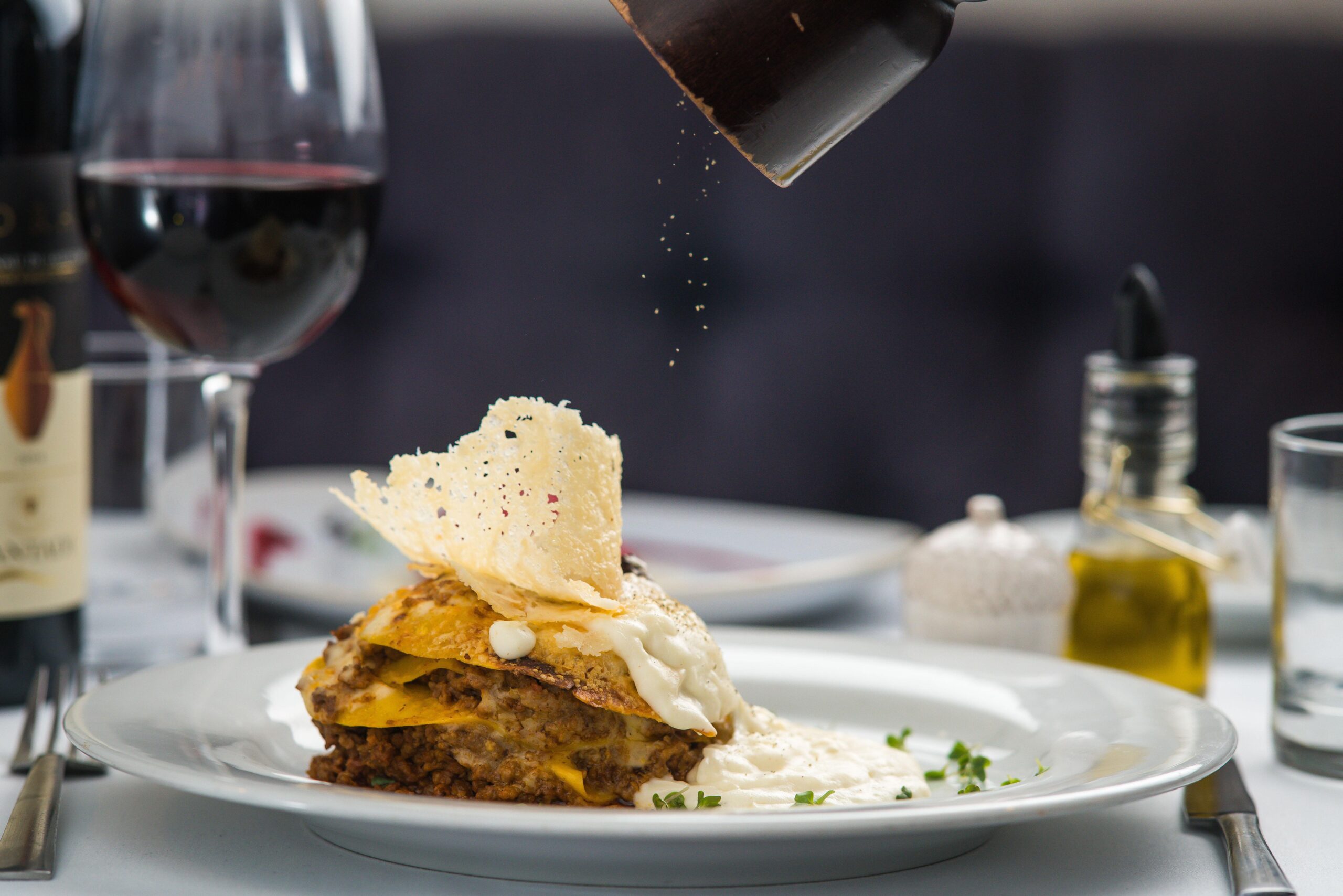
Mexico City has become one of the planet’s serious dining capitals. Pujol, chef Enrique Olvera’s Polanco flagship, holds two Michelin stars and offers both a multi-course tasting menu built around its famous aged mole madre and a taco omakase counter. Quintonil, also two-starred, is its most-cited peer, celebrated for refined, produce-driven Mexican cooking. Booking these requires planning weeks ahead. They represent the top of a deep field of ambitious restaurants across Roma, Condesa, and Polanco that reinterpret Mexican tradition with technique and local ingredients.
The Mid-Range Sweet Spot
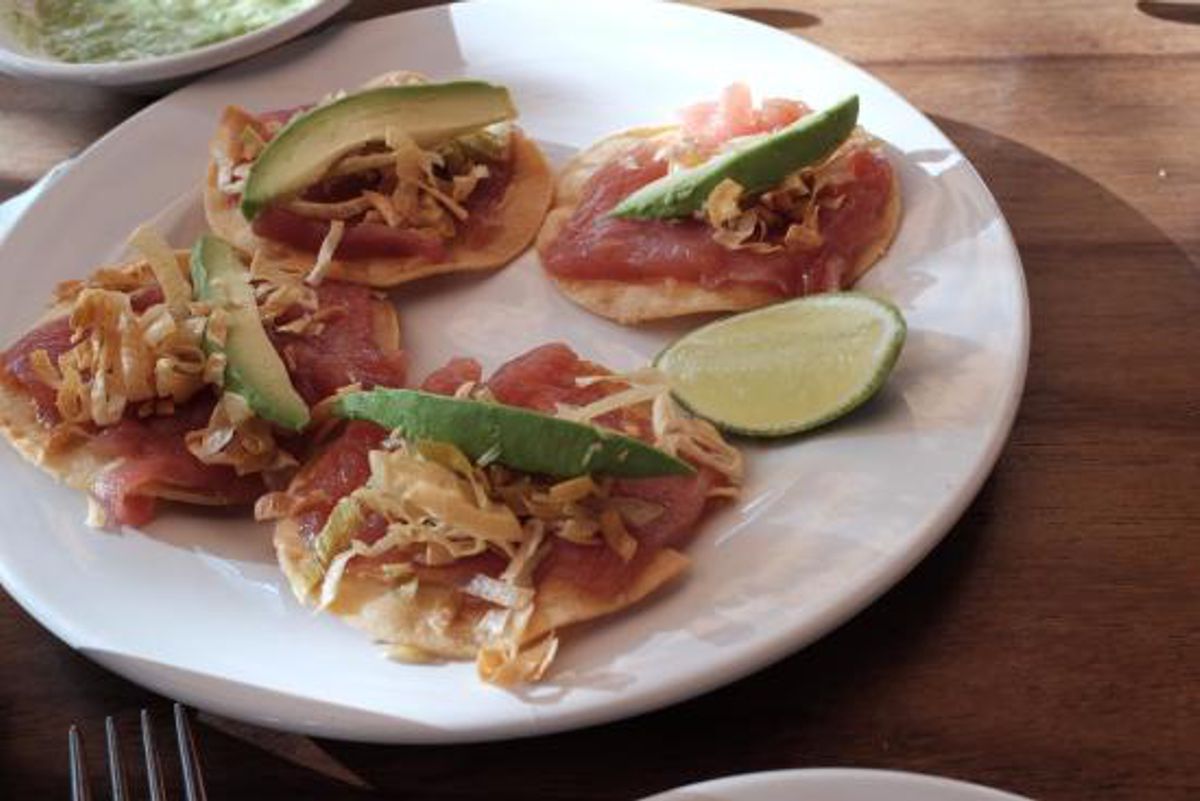
Between the tasting menus and the fondas sits a huge, rewarding middle. Contramar in Roma, chef Gabriela Cámara’s long-running seafood institution, is the definitive Mexico City lunch: fresh, generous, unpretentious plates like the famous tuna tostada and grilled fish meant for sharing, with a full lunch and drinks costing far less than the fine-dining rooms. Around it, neighbourhood restaurants doing regional Mexican, contemporary, and international food fill the gap between splurge and street. For a full tour of the city’s signature dishes, our guide to what to eat in Mexico City is the place to start.
Fondas: The Soul of Everyday Eating
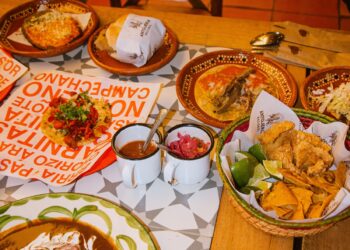
A fonda is a small, usually family-run eatery serving home-style Mexican food, most famously the comida corrida, a set lunch of soup, a rice or pasta course, a main guisado with tortillas, and often a simple dessert or agua fresca, all for a modest fixed price. Markets like Mercado de San Juan, Mercado Medellín, and the fondas around the Centro Histórico are where locals actually eat midday. The menu changes daily based on what was cooked that morning, and pointing at the pots on display is a perfectly good way to order.
Fondas vs Street Food
Fondas and street stalls overlap but are not the same. A fonda gives you a table, a set meal, and a sit-down rhythm; street food is faster, cheaper, and eaten standing at a cart. Both are essential, and the city’s tacos, quesadillas, and tamales deserve their own dedicated crawl, which our Mexico City street food guide covers in detail. Eating a comida corrida for lunch and hitting a taco stand at night is a classic CDMX day.
How to Plan Your Eating in Mexico City
Reserve fine dining well in advance and consider lunch bookings, which can be easier to secure than dinner. Fondas are busiest and best from around 2 to 4pm, the traditional Mexican lunch hours, and many close by late afternoon. Cash is useful at fondas and market stalls, while upscale restaurants take cards. Altitude and rich food can catch visitors off guard, so pace yourself across the day. For neighbourhoods, safety, and getting around between all these tables, the full Mexico City travel guide pulls the practical threads together.
Neighbourhoods and the Geography of Eating
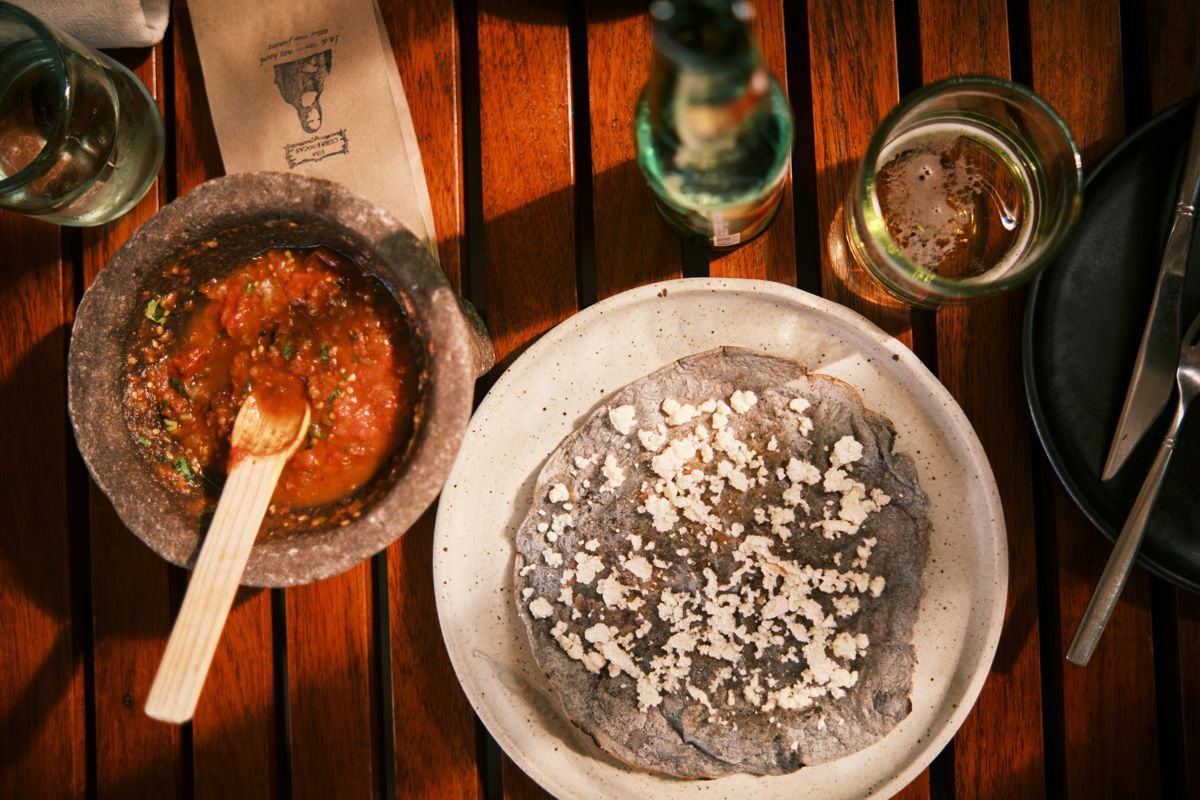
Mexico City’s food splits along neighbourhood lines, and knowing them helps you plan. Polanco is the address for fine dining, home to the tasting-menu flagships and polished international restaurants. Roma and Condesa, leafy and walkable, hold the city’s most exciting mid-range scene, from Contramar to a dense cluster of cafés, cantinas, and contemporary kitchens. The Centro Histórico is fonda and cantina country, where century-old dining rooms and market kitchens serve the everyday food of the capital. Coyoacán and San Ángel to the south add markets and traditional sweets. Basing a day’s eating around one district, rather than criss-crossing the sprawling city, makes for a far more relaxed trip.
The city’s markets deserve special mention. Beyond the fondas within them, markets like Mercado de San Juan, known for unusual ingredients, and the sprawling Mercado de la Merced are attractions in their own right, where the raw material of the cuisine is on full display. A morning market visit followed by a fonda lunch inside is one of the most satisfying ways to eat in CDMX.
Cantinas and the Drinking Tradition
No account of Mexico City dining is complete without the cantina, the traditional tavern where drinks come with botanas, small plates that arrive free or cheap as you keep ordering. Historic cantinas in the Centro have poured tequila, mezcal, and beer for over a century, and their tiled rooms and long bars are part of the city’s living heritage. Mezcal in particular has surged, and specialist mezcalerías now sit alongside the old cantinas, pouring artisanal bottles from Oaxaca and beyond. Whether you want a boisterous cantina afternoon or a quiet mezcal tasting, the drinking culture is inseparable from the eating one, and it is easy to fold an hour of either into a day of tacos and tasting menus.
Practical Timing and Payment
Eating well in Mexico City is easier with the local clock in mind. The main meal, the comida, runs from roughly 2 to 4pm, when fondas are liveliest and freshest; many close by late afternoon, so a late lunch is the move rather than a big dinner. Fine dining, by contrast, serves into the evening and books out weeks ahead. Carry cash for fondas, markets, and street stalls, which often do not take cards, while upscale restaurants and cantinas do. The city sits at high altitude, and rich food plus a mezcal or two can catch visitors off guard, so pacing yourself across the day keeps you eating happily from lunch through to a late taco.
Reservations, Timing, and Dress
Securing a table at the top restaurants takes planning, so treat reservations as a task to handle before you fly rather than on arrival. The two-Michelin-star rooms release bookings weeks ahead and fill within hours, and a lunch slot is often easier to land than dinner while offering much the same experience. Contramar and the busiest Roma and Condesa spots do not take the biggest groups easily, so smaller parties have an advantage. Dress is generally smart-casual at the upper end and completely relaxed at fondas and cantinas. Building your splurge dinner into the calendar first, then filling the surrounding days with markets, fondas, and street stalls, is the way locals and seasoned visitors structure a great eating trip through the capital.
FAQ
What is a fonda in Mexico City?
A fonda is a small, often family-run restaurant serving home-style Mexican food, typically a set-price comida corrida with several courses at lunchtime. They are where many locals eat their main midday meal and offer excellent value.
Do I need reservations for fine dining in Mexico City?
Yes. The top tasting-menu restaurants like Pujol and Quintonil book out weeks in advance. Reserving as early as possible, and considering a lunch slot, gives you the best chance of a table.
How much does a fonda lunch cost?
A comida corrida set lunch at a fonda is inexpensive, generally costing only a few dollars for several courses. It is one of the best-value meals in the city.
When is lunch served in Mexico City?
The main Mexican lunch, the comida, runs roughly from 2 to 4pm. Fondas are at their liveliest then, and many wind down by late afternoon, so plan your fonda visits for early afternoon.
Recent Comments