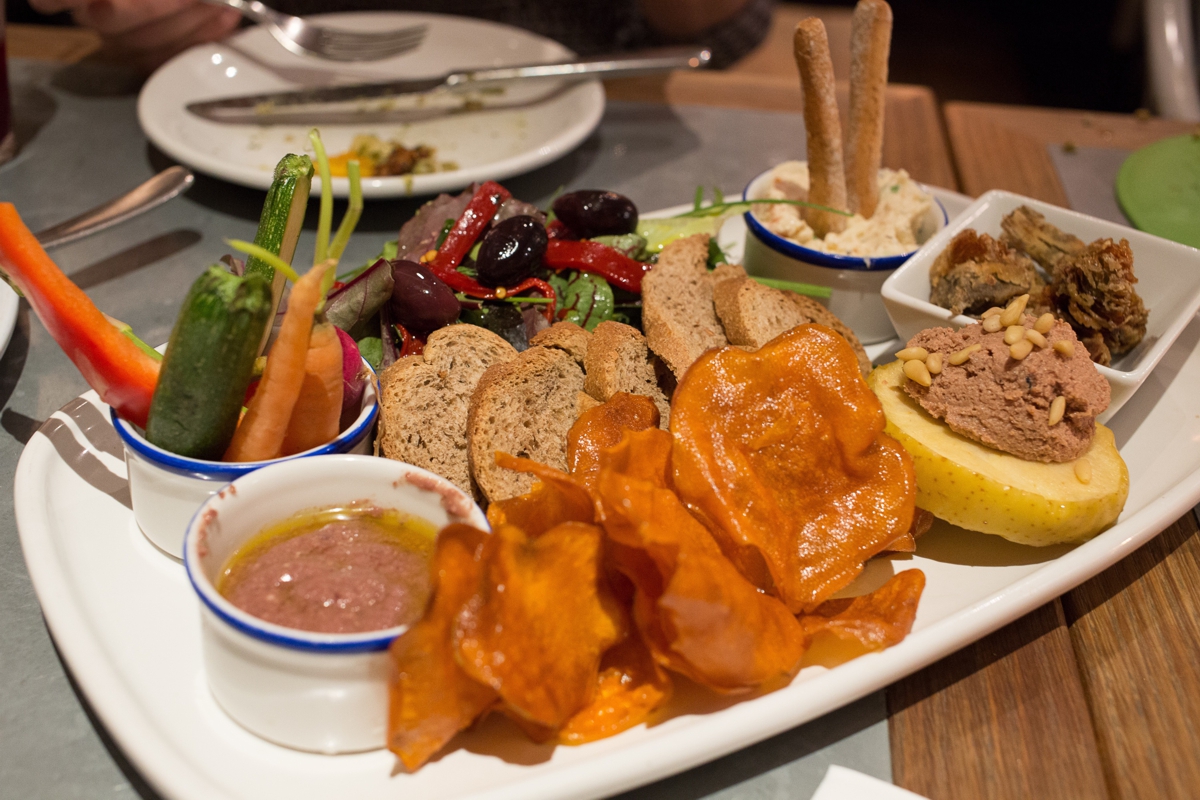
Tapas in Barcelona is less a meal than a way of moving through the evening – a few small plates and a glass of wine at one bar, then on to the next. Finding the best tapas in Barcelona means knowing the difference between the tourist traps on the main drag and the tiny, crowded counters where locals actually stand elbow to elbow. This guide covers both the classic institutions and how to eat like a resident.
Tapas, pintxos and the Catalan twist
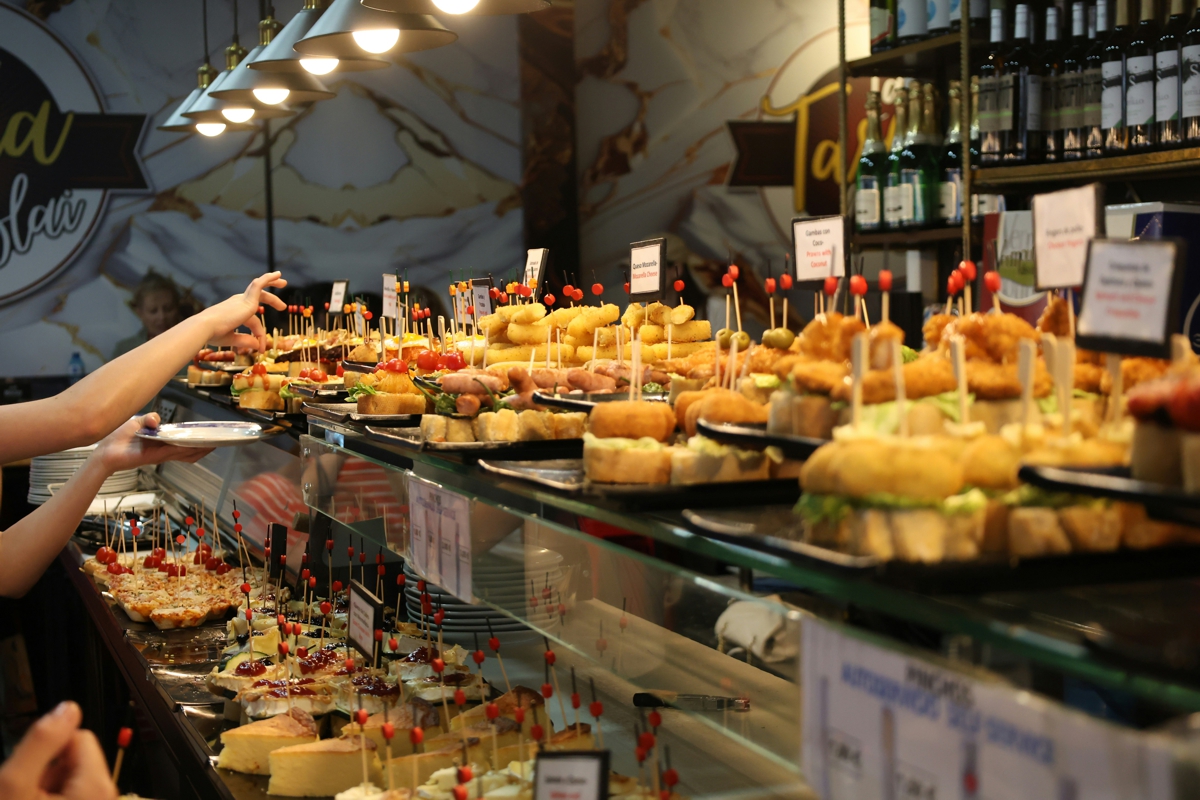
First, a distinction. Traditional tapas are small plates you order from a menu or the bar. Pintxos, borrowed from the Basque Country and popular in Barcelona too, are bite-sized snacks skewered on bread and laid out on the counter – you help yourself, keep the toothpicks, and the staff count them to work out your bill. Catalonia also has its own specialities, like pa amb tomàquet (bread rubbed with tomato, oil and salt) and escalivada (smoky roasted vegetables), that turn up alongside the Spanish standards. For the full local menu, see our guide to what to eat in Barcelona.
The classic tapas bars
Quimet i Quimet
A tiny, standing-room-only bodega in Poble Sec, open since 1914 and lined floor to ceiling with bottles. Its speciality is montaditos – little assemblies built on bread, often from high-quality tinned seafood (conservas) – paired with wine from the wall. There are no seats; you eat standing at the counter, which is part of the charm.
El Xampanyet
Near the Picasso Museum in El Born, open since 1929 and barely changed since. The house cava is poured cheaply from the barrel, and the menu runs to anchovies, cured meats and simple cheeses. It is loud, tight and thoroughly local — exactly what a great tapas bar should feel like.
Bar del Pla
Also in El Born, on the picturesque Carrer de Montcada, Bar del Pla bridges traditional and modern with creative takes on Catalan staples and a thoughtful wine list. It is a good choice if you want tapas a step up from the classics without losing the neighbourhood feel.
What to order
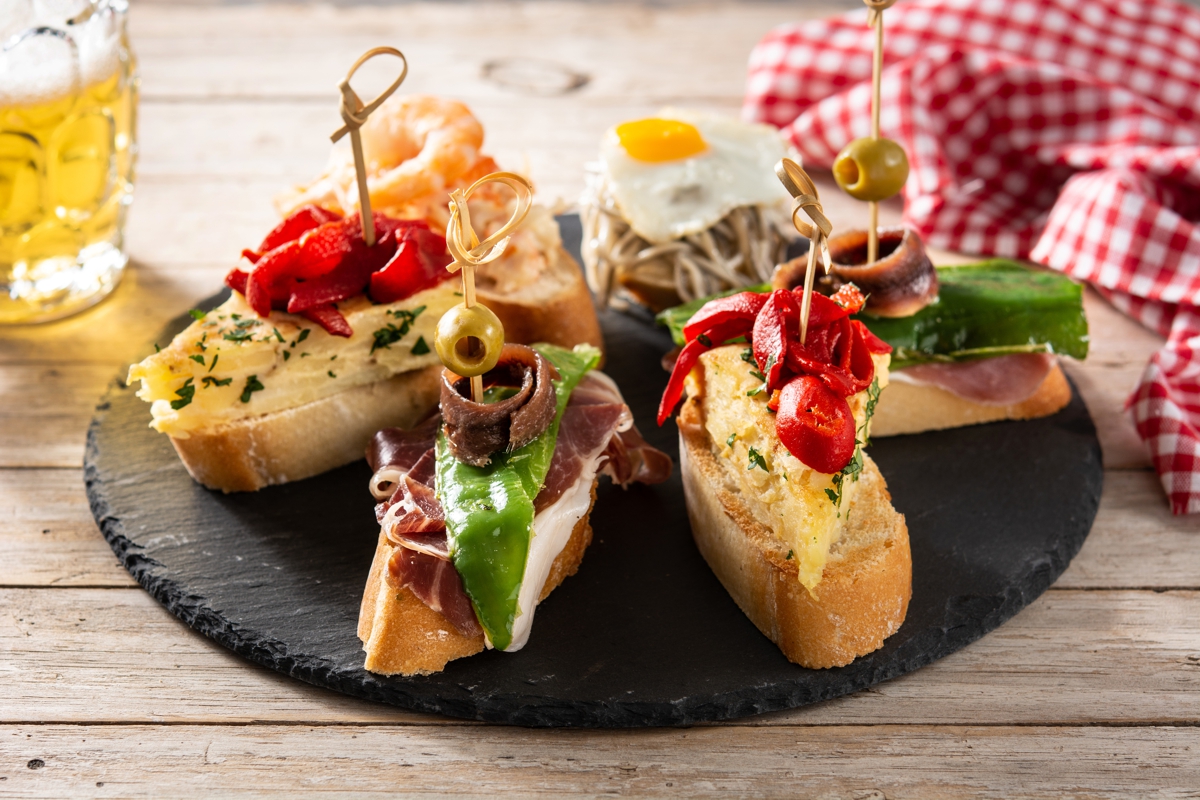
A good tapas run mixes textures and temperatures. Reliable orders include patatas bravas (fried potatoes with spicy sauce and aioli), pan con tomate, croquetas (usually ham or salt cod), gambas al ajillo (garlic prawns), pimientos de Padrón (fried green peppers, one in ten fiery), and jamón ibérico. Coastal Barcelona also does excellent seafood tapas – grilled squid, boquerones (marinated anchovies), and tinned cockles and mussels that are far better than they sound. Wash it down with a caña (small draught beer), a glass of cava, or vermouth.
How to eat tapas like a local
The vermut hour
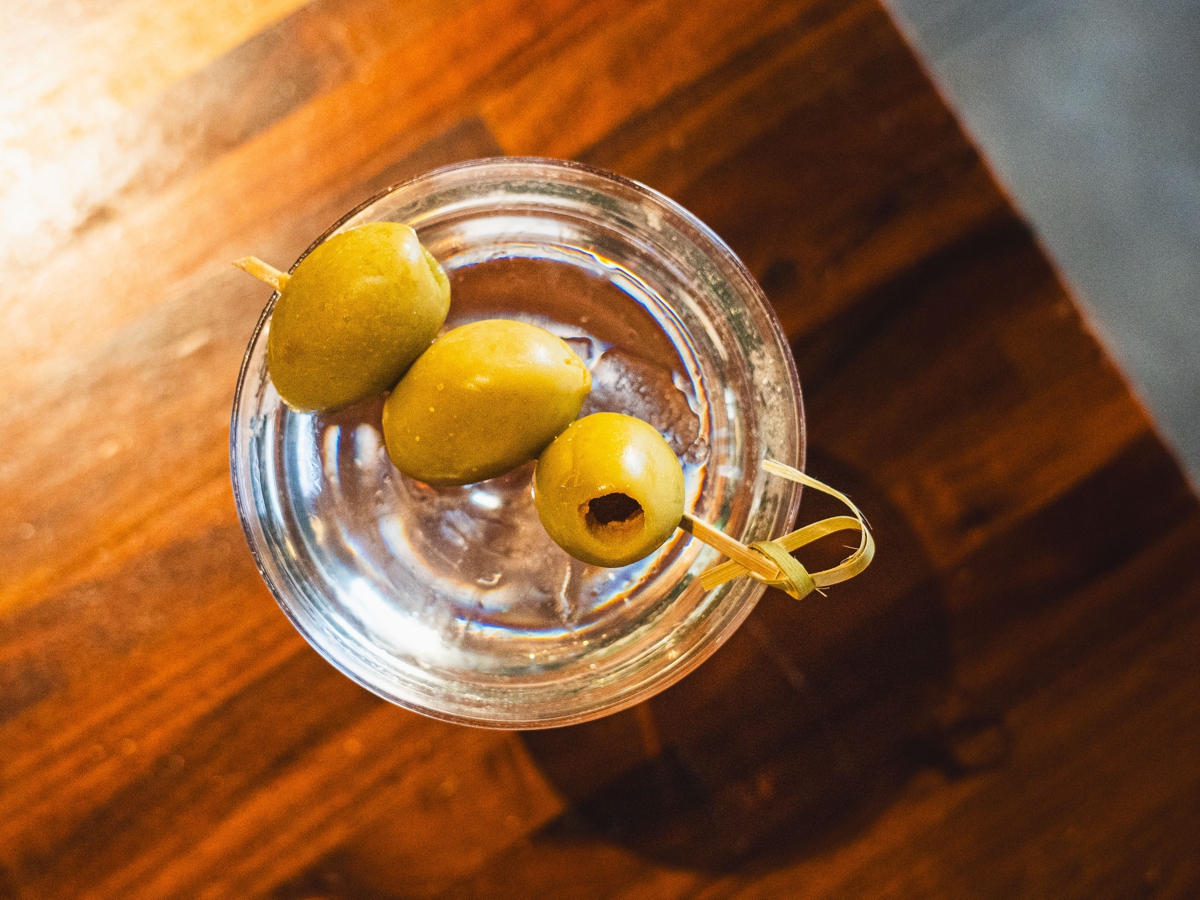
Sunday’s fer el vermut – “doing the vermouth” – is a Barcelona institution: a glass of chilled vermouth with olives and a few tapas before lunch. It is a lovely, low-key way to spend a late morning and see the city at its most relaxed.
Bar-hopping
The local approach is ir de tapas: one or two plates and a drink per bar, then move on. Do not sit down and order ten dishes at the first place – spread your evening across several bars in a neighbourhood. El Born, Gràcia, Poble Sec and the streets of the Gothic Quarter (a little back from the tourist crush) are the best hunting grounds.
Timing and value
Spaniards eat late: tapas bars fill from around 8 or 9pm. Standing at the bar is often cheaper than a terrace table, and steering clear of the heavily touristed stretch of La Rambla will save you money and get you better food. If you are keeping an eye on costs, our guide to Barcelona on a budget has more ways to eat and drink well for less.
Where the neighbourhoods lead you
Half the pleasure of tapas is the walk between bars, so let the districts guide you. El Born and the Gothic Quarter pack the highest concentration of good counters into a small, walkable area, while Gràcia and Poble Sec feel more residential and relaxed. For how these neighbourhoods connect and what else sits nearby, our Barcelona travel guide lays out the map.
Beyond the classics: markets and modern tapas
Two more corners of the tapas world are worth knowing. The first is the market bar: inside La Boqueria off La Rambla, and in quieter local markets like Mercat de Santa Caterina and Mercat de Sant Antoni, small counters serve tapas made from produce sold a few steps away – some of the freshest, most direct eating in the city, best enjoyed mid-morning before the crowds. The second is the wave of modern and creative tapas bars, where young chefs riff on Catalan tradition with more ambitious plating and natural wine. These cost more than a classic bodega but show where Barcelona’s food is heading.
Pairing drinks with your plates
What you drink matters as much as what you eat. A caña of cold draught beer suits fried and salty tapas; a glass of cava cuts through richer plates; and vermouth, served over ice with a slice of orange and an olive, is the traditional aperitif. Catalonia also makes excellent still wines – ask for a local red or white by the glass and the bartender will usually point you to something regional and good.
Manners at the counter
Tapas bars are informal, but a little know-how smooths the evening. Catch the bartender’s eye rather than calling out, keep your order to a couple of plates at a time so the food arrives hot, and be ready to give up your spot at a packed bar once you have finished. Splitting plates among the group is the whole idea, so order to share and pass things around.
Planning a tapas crawl
A little structure makes a tapas evening flow. Choose one neighbourhood – El Born, Poble Sec, Gràcia or the Gothic Quarter – and plan to hit three or four bars within a short walk of each other rather than settling into one. Start earlier at the quieter, more traditional spots before the crush, and move toward the livelier bars as the night warms up. Order just a plate or two and a drink at each, pay as you go, and let the crowd and the counter tell you whether to stay or move on. Budget loosely: a few plates and a drink at each of three bars might come to twenty to thirty euros a head, depending on how much seafood and jamón you order. Done right, a tapas crawl is less about any single dish than about the momentum of the evening – the walk, the wine, and the run of small, sharp flavours from one bar to the next.
FAQ
What are the best tapas bars in Barcelona?
Longstanding favourites include Quimet i Quimet in Poble Sec, El Xampanyet in El Born, and Bar del Pla near the Picasso Museum. All are small, local and known for quality rather than tourist gloss.
What is the difference between tapas and pintxos?
Tapas are small plates you order, while pintxos are bite-sized snacks on bread laid out on the counter for you to take. With pintxos you keep the toothpicks and staff count them to total your bill.
What time do people eat tapas in Barcelona?
Late. Tapas bars typically get busy from around 8 or 9pm, though the Sunday pre-lunch vermouth hour is a popular earlier tradition. Lunch tapas are also common from about 1:30 to 3:30pm.
How do I avoid tourist-trap tapas bars in Barcelona?
Steer away from La Rambla and any place with photo menus and staff touting outside. Head one or two streets into El Born, the Gothic Quarter, Gràcia or Poble Sec, and choose bars busy with locals standing at the counter.