
Egypt rewards travellers who plan a little. This Egypt travel guide focuses on the two places almost every first-timer wants to see — Cairo and Luxor — and on the practical decisions that shape the trip: when to go, how to move between them, what tickets actually cost, and how to handle the constant, good-natured pressure to buy something.
The two cities sit roughly 670 kilometres apart and feel nothing alike. Cairo is loud, enormous and relentlessly modern, with pharaonic sites at its western edge. Luxor is smaller, hotter and built almost entirely around the Nile and the temples on either bank. A week gives you both without rushing.
When to visit Egypt
Egypt has a short comfortable season and a long punishing one. From late October through March, daytime highs in Cairo sit in the low 20s Celsius and Luxor rarely climbs above the high 20s — pleasant walking weather, cold mornings on the West Bank, and the highest hotel rates of the year. December and January are peak season; book Nile cruises and better hotels months ahead.
April and October are the compromise months: warm rather than brutal, thinner crowds, softer prices. If you are mapping out an autumn trip more broadly, our roundup of where to travel in September puts Egypt in context against other shoulder-season options.
June through August is genuinely hard in Luxor, where 42°C afternoons are normal. Some travellers do it anyway and simply flip the schedule — sites at 6am, hotel pool from eleven until four, dinner late. It works, but it halves your sightseeing hours.
Ramadan and public holidays
During Ramadan, monument hours shorten and many restaurants close during daylight. The atmosphere after sunset is worth experiencing, but expect a slower, quieter daytime city. Check the dates before you lock in flights.
Cairo: what to prioritise
Three or four days covers the essentials without exhausting you.
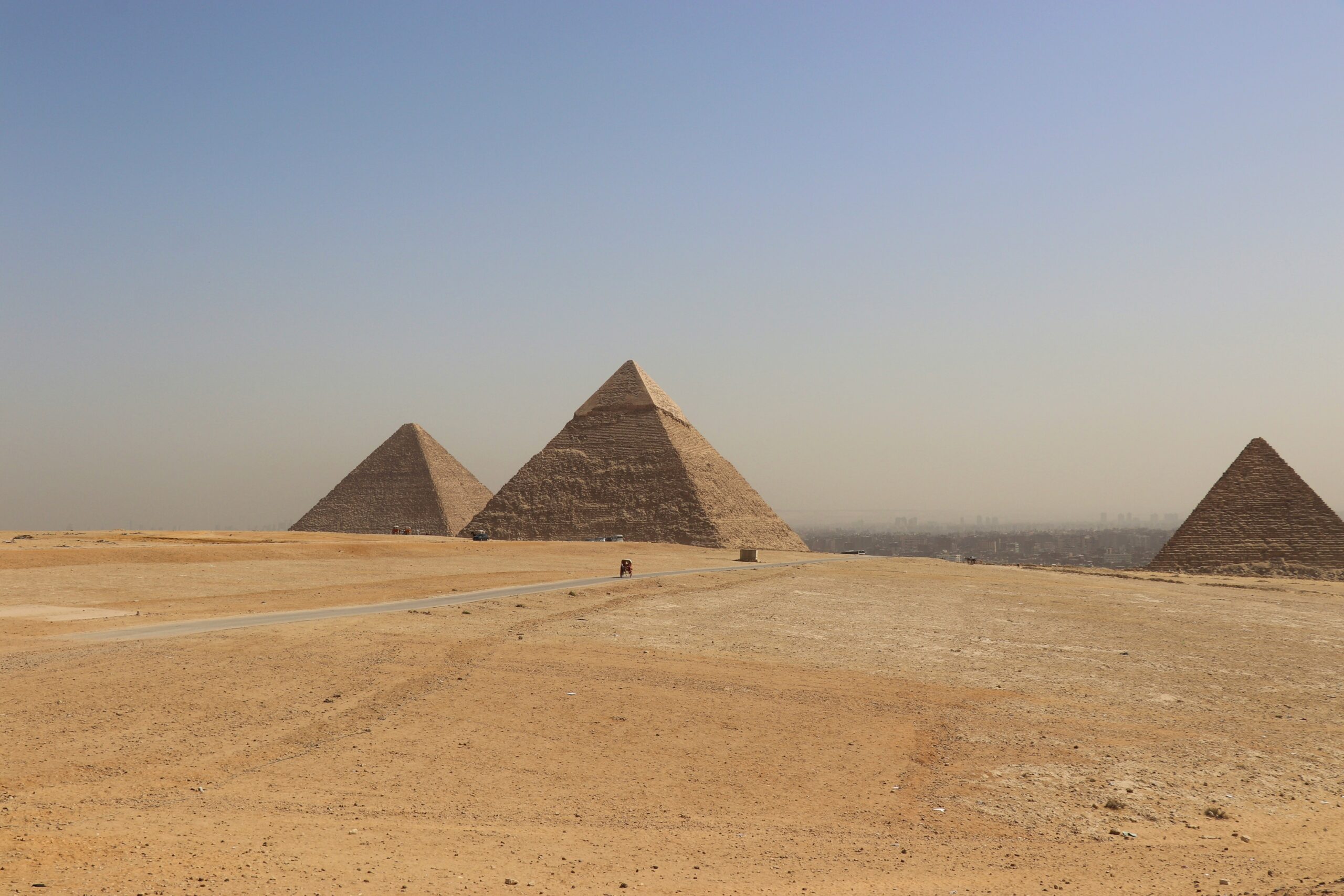
Giza and the Grand Egyptian Museum
The Giza plateau opens early and the light before nine is the best you will get. General admission for foreign adults runs around 540 EGP, with a separate supplement of roughly 400 EGP to go inside the Great Pyramid itself — a hot, low, unadorned crawl that some people find unforgettable and others regret immediately. Most major sites have moved to card-only payment, so bring a working debit or credit card rather than relying on cash.
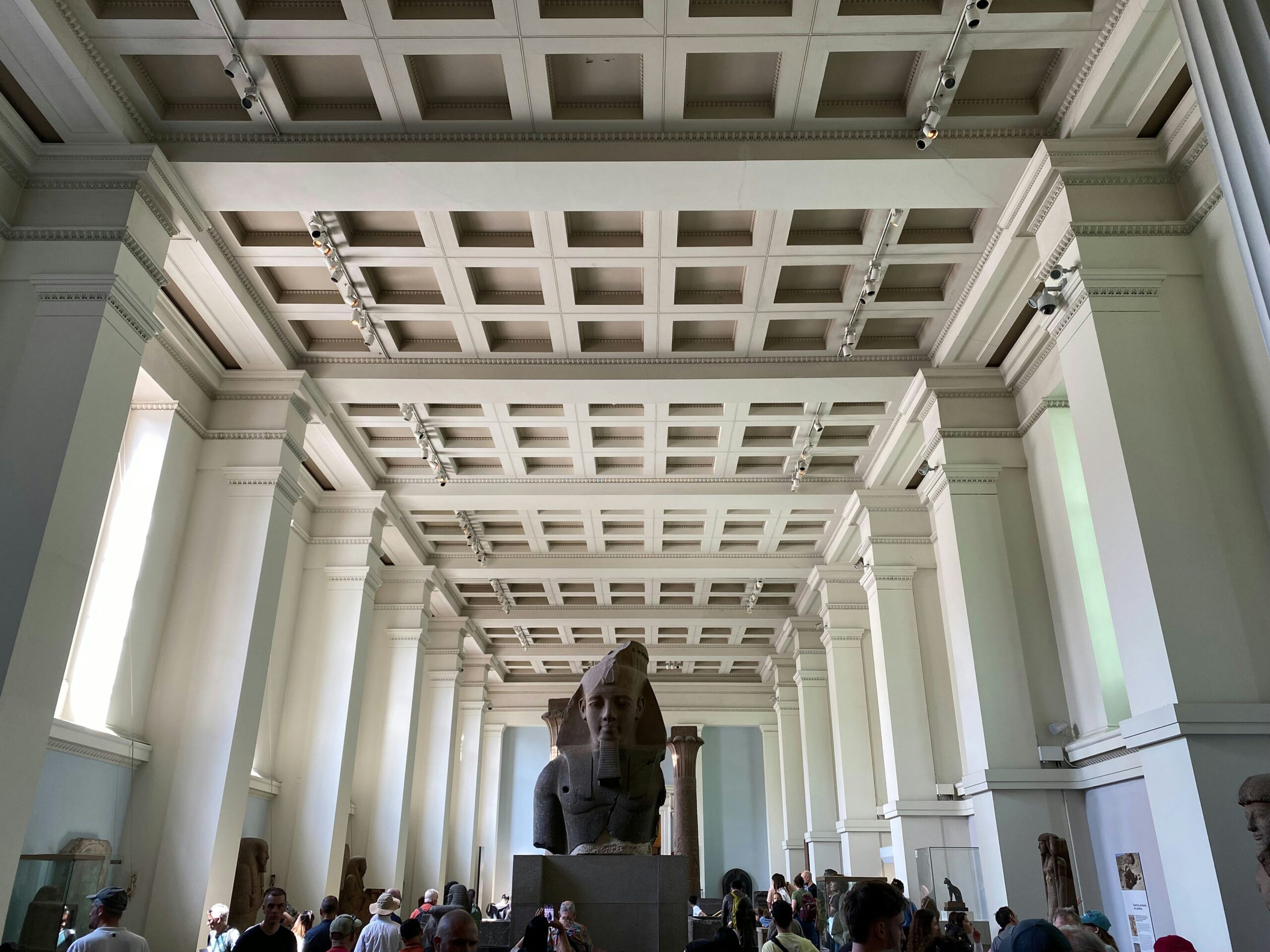
The Grand Egyptian Museum sits close to the plateau and holds the full Tutankhamun collection. Adult foreign tickets are around US$25 and must be booked online in advance for a timed slot — walk-ups are not the norm. Give it three hours minimum, four if you actually read the labels.
Islamic and Coptic Cairo
Khan el-Khalili is the famous bazaar, and underneath the souvenir layer it remains a working market. Go in the evening, accept that you will be approached constantly, and treat the haggling as conversation rather than combat. Nearby, the mosques of Sultan Hassan and Al-Rifa’i face each other across a small square and see a fraction of the crowds at Giza.
Coptic Cairo, in the old fortress area near Mar Girgis metro station, packs several churches, a synagogue and the Coptic Museum into a few walkable lanes. Half a morning, almost no money.
Getting from Cairo to Luxor
Three realistic options, in rough order of popularity:
- Domestic flight — about an hour, several daily departures, often the cheapest option when booked a few weeks ahead. Best when time is tight.
- Sleeper train — the overnight service from Ramses Station takes roughly 9 to 11 hours, with private cabins including dinner and breakfast typically running around US$60 to US$80 per person. It saves a hotel night, and the desert dawn out the window is a genuine pleasure.
- Nile cruise — most cruises actually run the shorter Luxor–Aswan stretch rather than the full Cairo route. Cairo-to-Luxor sailings exist but are long, infrequent and expensive. Treat a cruise as a way to see Upper Egypt, not as transport.
Ordinary seated day trains also run and cost a fraction of the sleeper, but the daytime journey eats a full day.
Luxor: East Bank and West Bank
Luxor splits neatly. The living city and the two great temples are on the East Bank; the tombs and mortuary temples are on the West Bank, reached by a five-minute ferry or a bridge several kilometres south.
Karnak and Luxor Temple
Karnak is the larger and stranger of the two — a complex built and rebuilt over roughly 1,500 years, with a hypostyle hall of 134 columns that photographs poorly and overwhelms in person. Foreign adult tickets are around 600 EGP, and the site typically opens from early morning until late afternoon. Luxor Temple, in the middle of town, is smaller and best seen after dark when it is floodlit and the day trippers have gone.
Valley of the Kings
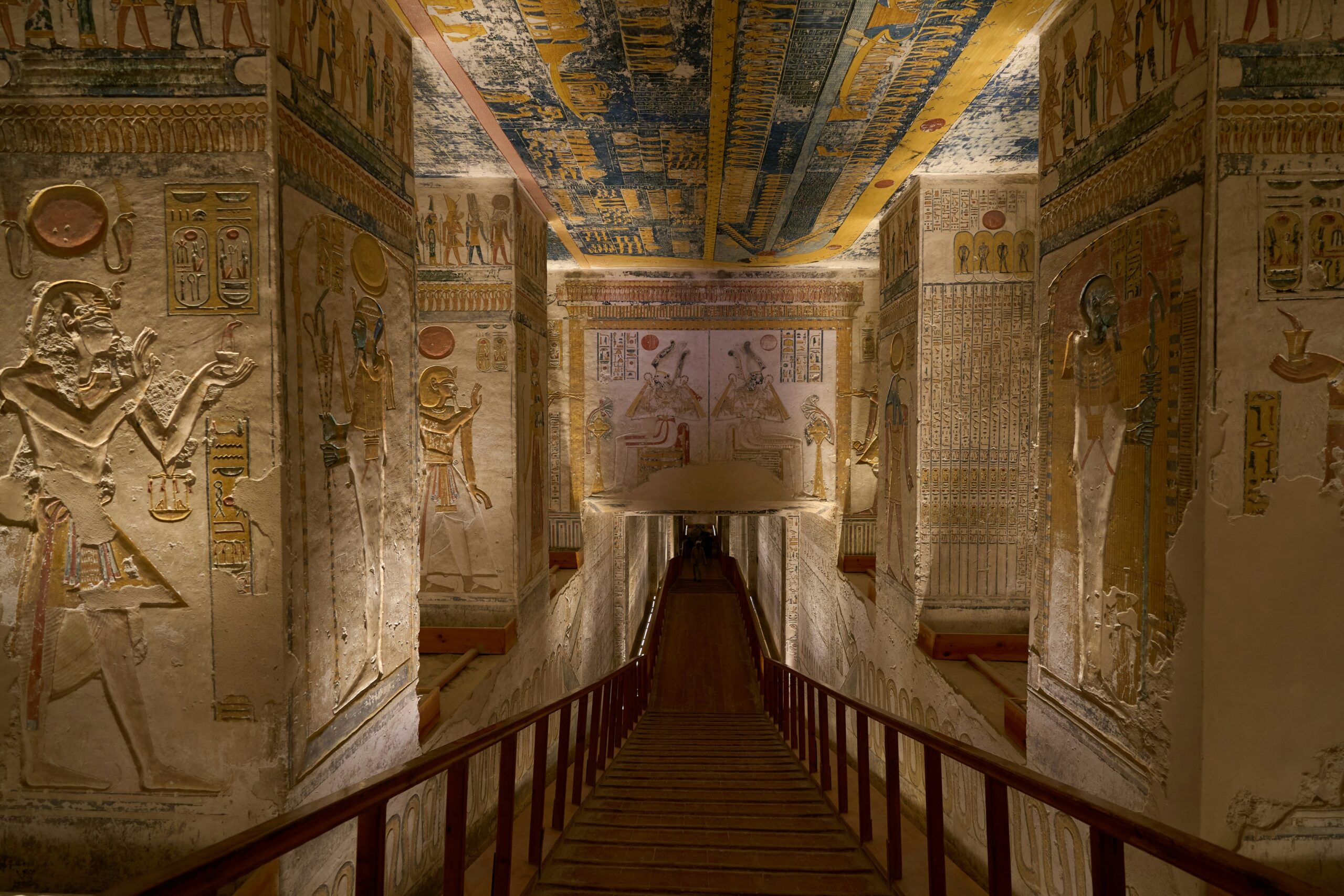
The base ticket to the Valley of the Kings costs roughly 750 EGP for foreign adults and admits you to three tombs of your choosing from those open that day. Tutankhamun’s tomb and Seti I require separate supplements — Seti I is the most expensive single ticket in Egypt and, for anyone who cares about wall painting, the most rewarding.
Start at opening. By ten the valley is a stone bowl full of tour buses, and the tombs turn crowded and airless.
Hatshepsut and the Colossi
Deir el-Bahari, Hatshepsut’s terraced mortuary temple, sits against a sheer cliff face and is one of the most photographed buildings in Egypt for good reason. The Colossi of Memnon stand roadside nearby and take five minutes.
Egypt travel guide: practical matters
Health and vaccinations
No vaccinations are required for entry from most countries, but hepatitis A and typhoid are commonly recommended, and a stomach upset is the single most likely thing to interrupt your trip. Drink bottled or filtered water, be cautious with raw salads in the first few days, and read up on what you might need in our guide to travel vaccinations well before departure — some require weeks of lead time.
Money and tipping
Tipping — baksheesh — is woven into daily life: small notes for the man who opens a gate, the driver, the hotel porter. Keep a stack of low-denomination Egyptian pounds specifically for this. Since major sites moved to card-only entry, you will need both: card for tickets, cash for everything human.
Guides and touts
A licensed guide turns the temples from impressive rubble into a readable story, and hiring one for the West Bank in particular is money well spent. Unlicensed “guides” who attach themselves to you at the entrance are a different proposition — a polite, firm “no thank you” repeated without irritation works better than engagement.
Dress and etiquette
Covered shoulders and knees for everyone at religious sites; women should carry a scarf for mosques. Away from Red Sea resorts, dressing modestly attracts markedly less attention on the street.
Is Egypt worth the effort?
Egypt is not restful in the way an island is. It asks for energy, patience and a tolerance for being sold to. What you get back is a density of ancient sites nowhere else can match, at prices that still undercut most of Europe. If you are weighing it against pricier alternatives, our look at cheaper alternatives to famous destinations makes the case for exactly this kind of value.
The best advice for a first trip is to do less. Two full days at Giza and the museum, three in Luxor, and one genuine day off in between will leave you with better memories than a nine-site sprint.
FAQ
How many days do you need for Cairo and Luxor?
Seven days is comfortable — three in Cairo, three in Luxor, one for the transfer. Five works if you fly between the cities and accept an early start every morning.
Do I need a visa for Egypt?
Most Western nationalities can obtain an e-visa online in advance or a visa on arrival at major airports. Rules vary by passport, so check your own government’s current guidance before booking.
Is it safe to travel independently in Egypt?
Tourist areas in Cairo and Luxor are heavily policed and independent travel is common. The day-to-day issues are persistent touts, traffic and heat rather than crime. Solo women travellers report frequent unwanted attention and generally find that dressing conservatively reduces it.
What is the cheapest way to get from Cairo to Luxor?
An ordinary seated day train is cheapest by a wide margin, but it consumes an entire day. Budget airlines booked in advance often undercut the sleeper train and are far faster.






Recent Comments