
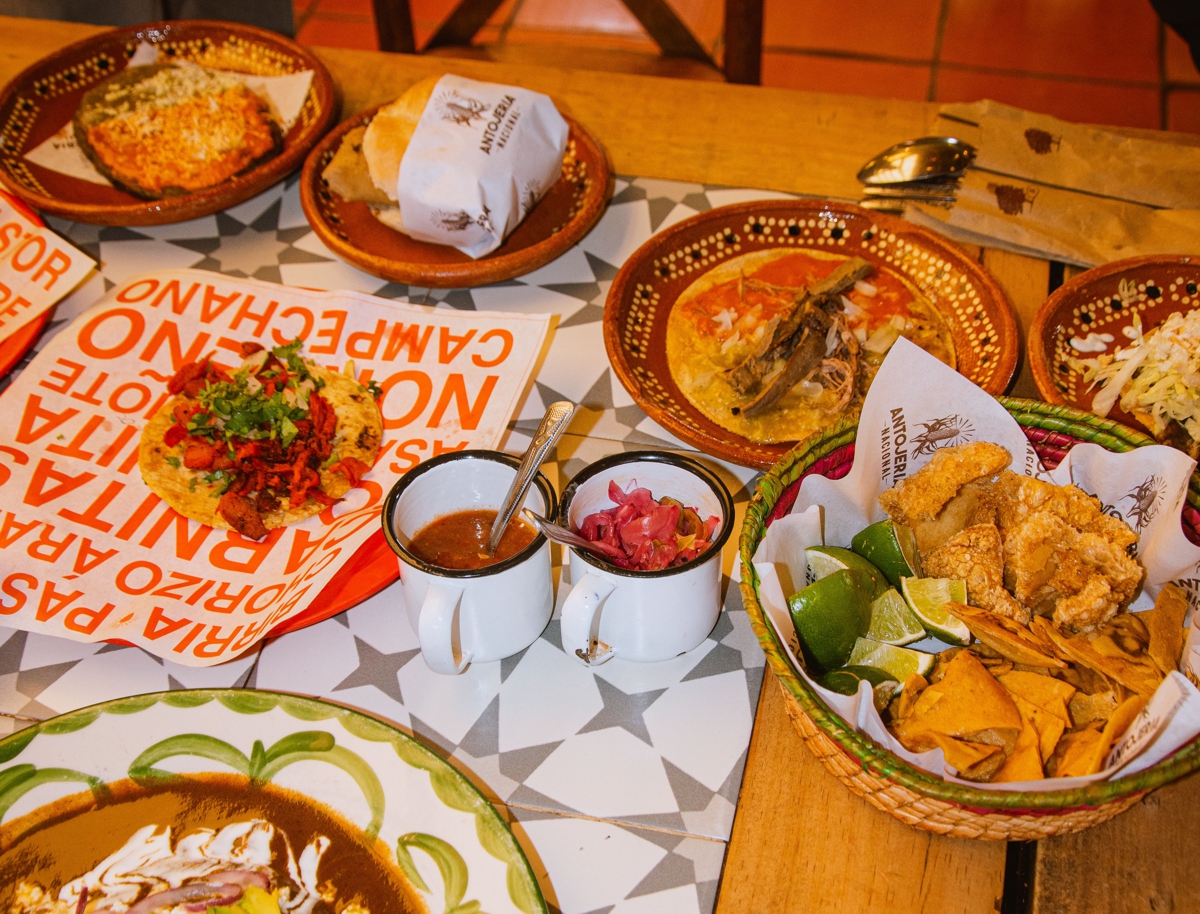
Mexico City street food runs on a simple, brilliant idea: fresh masa, a hot comal, and a filling cooked to order, handed to you in seconds for a handful of pesos. Tacos are the headline act, but the city’s carts and market stalls turn out a far wider range of quick, cheap, deeply satisfying food than most first-timers expect. This guide covers the dishes to prioritise, the neighbourhoods where the eating is best, and how to order without hesitation.
Understanding Mexico City street food
Street food, or antojitos, is woven into daily life here. Office workers eat tacos standing up at breakfast, families gather around stalls in the evening, and late-night taquerías keep going until two or three in the morning. Corn is the foundation: fresh tortillas, tlacoyos, sopes, and quesadillas all start from masa, ground from nixtamalised corn. Because vendors specialise and turnover is constant, the food is fresh and the quality often astonishing for the price.
For the sit-down dishes and regional specialities beyond the cart, our guide to what to eat in Mexico City goes deeper. Here the focus is the street: tacos, tortas, and the vendors who make the city hum.
Tacos: the essential order
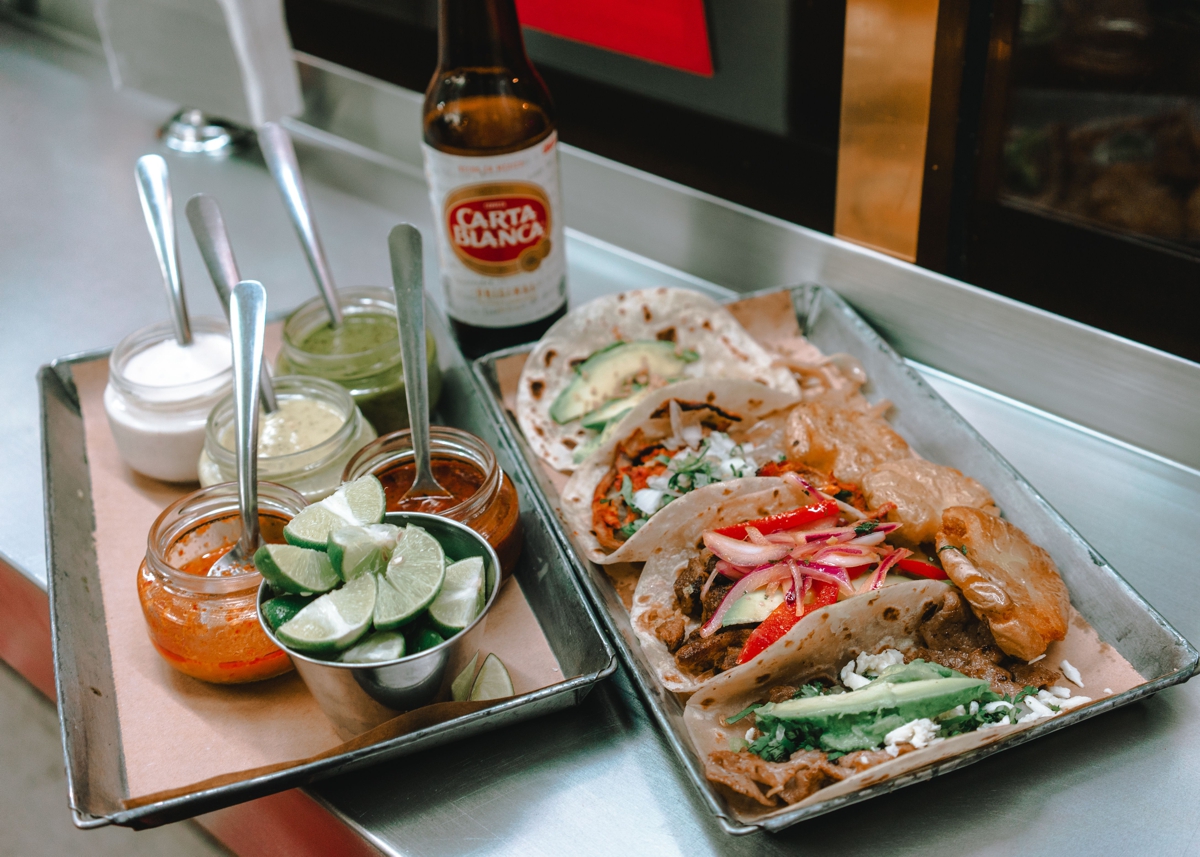
You could eat tacos every meal for a week and not repeat yourself. A few styles deserve your immediate attention.
Tacos al pastor
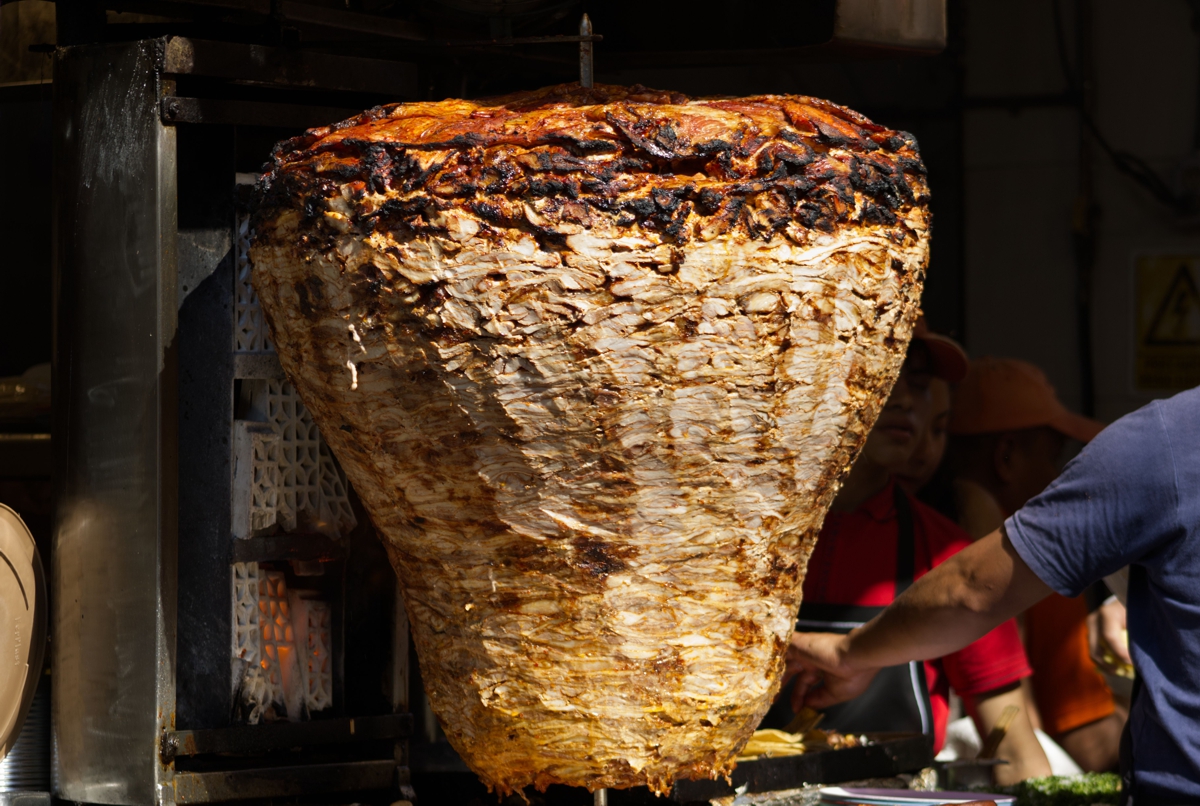
Al pastor is the signature Mexico City taco: marinated pork stacked on a vertical spit, or trompo, shaved off as it chars, and served on small corn tortillas with pineapple, onion, and cilantro. The technique came from Lebanese immigrants and was reinvented with local chillies and pork. Order them “con todo” and add salsa and a squeeze of lime.
Suadero, carnitas, and campechano
Suadero, a cut from between the belly and leg cooked confit-style in its own fat, is prized for its tenderness and appears at many of the city’s oldest taquerías. Carnitas, slow-cooked pork, is a Sunday favourite eaten by the kilo with a stack of warm tortillas. A campechano mixes meats, often layering suadero with crumbled chorizo. Each vendor has its own balance of salsa, fat, and char, and locals are fiercely loyal to particular stands, sometimes travelling across the city for a specific trompo. Longaniza, a seasoned fresh sausage, and bistec, thin grilled steak, are two more fillings you will see chalked on almost every taquería board.
Guisado and canasta tacos
Tacos de guisado are filled from trays of stews and braises, from rajas con crema to tinga, and make an ideal cheap lunch. Tacos de canasta, or “basket tacos,” are pre-made, steamed, and sold from bicycle baskets, soft and inexpensive, a true street-corner snack.
Beyond tacos: the wider street menu
Limiting yourself to tacos would mean missing half the fun. These are the dishes to fold into your eating.
Tortas, tamales, and quesadillas
The torta, a substantial sandwich on a crusty roll, comes in endless fillings; the torta de tamal, a tamale stuffed into bread, is a famously carb-heavy breakfast. Tamales themselves, steamed in corn husks, are sold from steaming pots in the morning. Quesadillas here can come with or without cheese, a quirk worth knowing, and are often filled with squash blossom, mushrooms, or huitlacoche.
Elotes, esquites, and antojitos
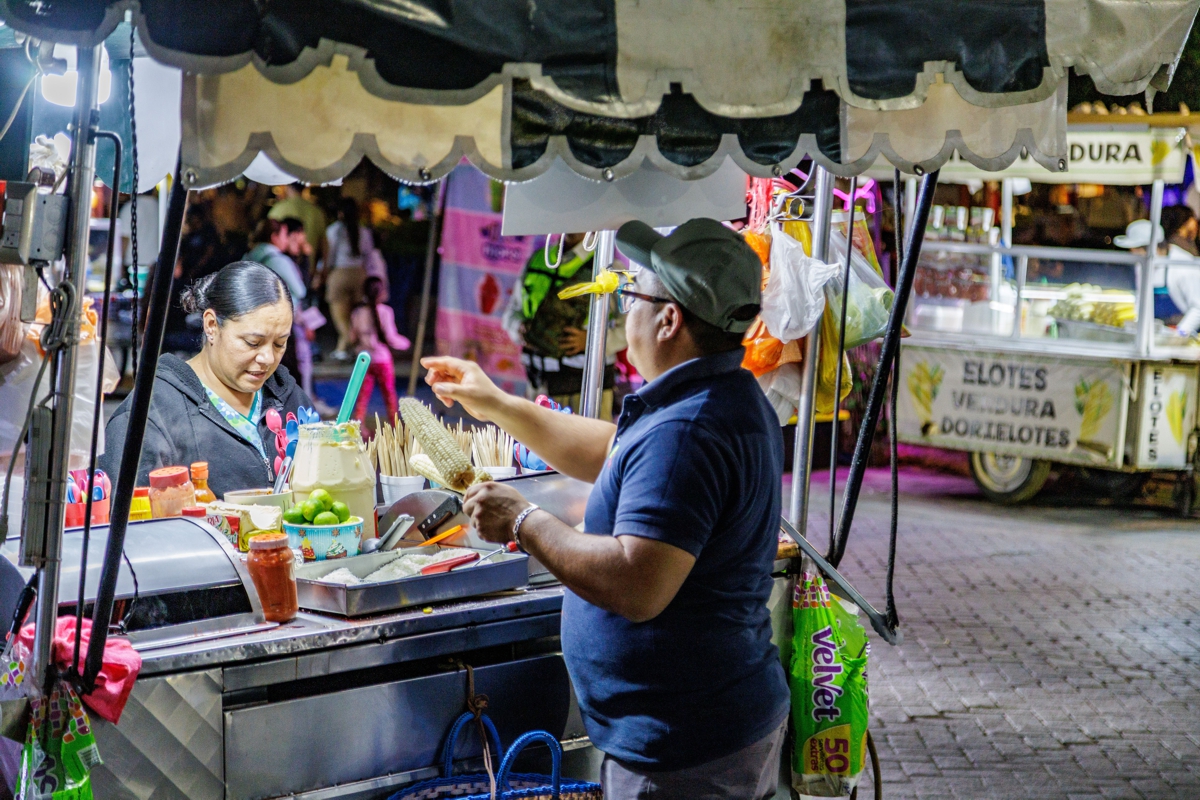
Street corn appears as elote, grilled and slathered with mayo, cheese, chilli, and lime, or as esquites, the same flavours in a cup with the kernels loose. Tlacoyos, oval masa cakes stuffed with beans, and sopes, thick masa rounds with toppings, are filling market staples.
Sweet endings
Churros dusted in cinnamon sugar, sometimes filled with cajeta or chocolate, are the classic street dessert, best eaten hot from the fryer at a dedicated churrería. Look also for marquesitas, crisp rolled wafers filled with cheese and jam, pambazos dipped in guajillo salsa for something savoury, and carts piled with fresh mango, jicama, and cucumber served with chilli powder and lime. Nieves and paletas, artisanal ice creams and fruit lollies, round out the sweet options on a warm afternoon.
Aguas frescas and street drinks
Wash it all down with aguas frescas, the fruit-and-water coolers sold from big glass barrels: horchata made from rice and cinnamon, jamaica from hibiscus, and tamarindo among the most common. In the morning you will also see atole and champurrado, warm corn-based drinks that pair with tamales. These drinks are cheap, refreshing in the city’s dry heat, and part of the ritual of a proper street meal.
Where to eat: best neighbourhoods
Roma and Condesa
These leafy, walkable neighbourhoods are the most visitor-friendly, with well-lit taco stands, quesadilla carts, and a high concentration of al pastor after dark. A good place to start if the scale of the city feels daunting.
Centro Histórico
The historic centre has the highest density of street food and some of the lowest prices. Around the markets and the streets near the main square you can eat a full, varied meal for very little, from morning tamales to late-afternoon tacos.
Markets and Coyoacán
Traditional markets are the beating heart of the food scene, with fondas and stalls serving cooked-to-order meals. The southern neighbourhood of Coyoacán is known for its market and relaxed plaza eating. To fit these into a wider itinerary, our full Mexico City travel guide covers getting around and where to base yourself.
Breakfast on the street
Mornings deserve their own mention, because breakfast is where much of the city’s street eating begins. Tamale and atole vendors set up before dawn near metro stations, guajolota torta stands feed commuters on the move, and juice carts line up rows of oranges and grapefruits. Barbacoa, slow-steamed lamb wrapped in maguey leaves, is a weekend morning ritual, served in tacos with consomé on the side. Eating an early street breakfast alongside workers heading to their jobs is one of the most authentic experiences the city offers.
Practical tips
Ordering and paying
Point and count; ordering by number is normal. Salsas sit on the counter, so add them yourself and taste before you commit, as some are very hot. Carry small coins and notes. Tipping a peso or two at a stand is appreciated but not required.
Eating safely
The busiest stalls are usually the safest, since high turnover means fresh food. Watch that meat is cooked hot and be cautious with unpeeled raw produce and tap water. Our guide to whether street food is safe lays out the habits that keep travellers well while still eating adventurously.
FAQ
What is the most famous street food in Mexico City?
Tacos al pastor, marinated pork shaved from a vertical spit and served with pineapple, onion, and cilantro, are the city’s signature street dish and a rite of passage for any visitor.
Is street food in Mexico City safe?
Generally yes. Choose stalls with long local queues and fast turnover, eat food cooked hot in front of you, be careful with raw produce, and drink bottled or purified water.
How much do street tacos cost?
Individual tacos are inexpensive, often just a few pesos each, and a filling meal from a stand rarely costs much. Grazing across several vendors is the local way to eat.
What should I order if I don’t eat pork?
Plenty of options exist, including tacos de guisado with vegetable stews, quesadillas with squash blossom or mushrooms, tlacoyos with beans, elotes, and tamales, some of which are meat-free.
Mexico City rewards eaters who wander, follow the crowds, and are willing to try one more stand. Start with al pastor, branch into guisados and antojitos, and let the city’s endless carts guide the rest.
Recent Comments