Vietnam runs 1,650 kilometres from the Chinese border to the Mekong Delta, and the country changes character several times along the way — terraced mountains in the far north, imperial cities in the centre, a river delta in the south that produces a fifth of the nation’s rice. The best things to do in Vietnam are spread across that whole length, which is why the standard trip is a north-to-south run rather than a single base. Fifteen experiences worth building an itinerary around, roughly in geographic order.
The north
1. Hanoi’s Old Quarter
Thirty-six streets, each historically dedicated to a single trade, and several still are — one sells nothing but tin goods, another only votive paper. The traffic is the first thing visitors notice: a continuous flow of scooters that you cross by walking slowly and predictably rather than waiting for a gap that will not come. Hoan Kiem Lake at the centre is closed to vehicles at weekends and fills with families, badminton and street performers.
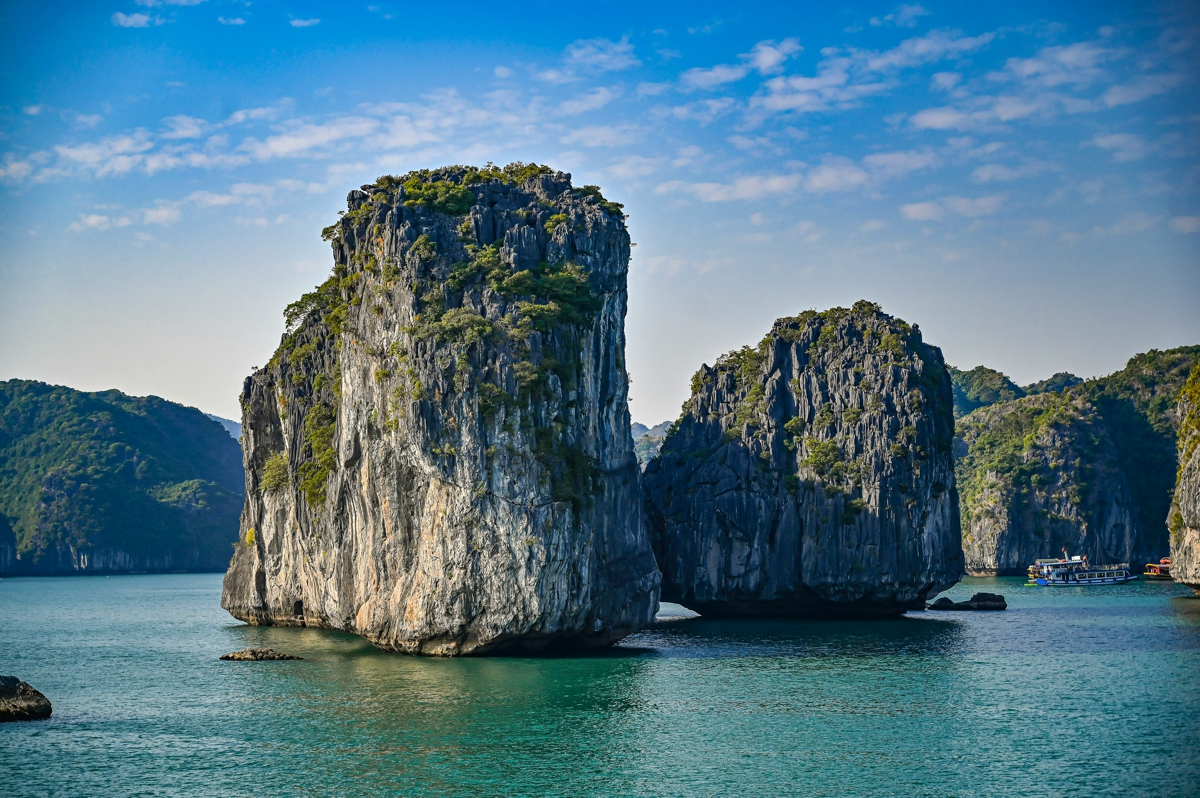
2. Ha Long Bay and Lan Ha Bay
Roughly 1,600 limestone islands rising from emerald water, UNESCO-listed and correctly famous. Overnight cruises are the standard way to see it, and prices range widely — budget operators from around $100–160 per person for a night, mid-range $145–250, luxury upward of $250. Extras such as kayaking, drinks and transfers can add 15–30 per cent to the advertised figure, so read the inclusions. Neighbouring Lan Ha Bay, accessed from Cat Ba Island, is equally beautiful and carries a fraction of the boat traffic. Our Ha Long Bay cruise guide works through how to choose an operator.
3. Sapa and the northern terraces
Rice terraces cut into mountainsides in Lao Cai province, farmed by Hmong, Dao and Tay communities. Sapa town itself has been heavily developed and is not the draw; multi-day treks between villages, staying in homestays, are. The terraces are green from June, gold before the September harvest, and mirror-like when flooded around May. Winter brings genuine cold and occasional snow.
4. Ha Giang loop
A 350-kilometre circuit through the far north near the Chinese border, over the Ma Pi Leng Pass and along the Nho Que river canyon. It is done on a motorbike over three or four days, either riding yourself or, more commonly and more safely, on the back of a local driver’s bike. The scenery is the most dramatic in the country and the roads are demanding.
5. Ninh Binh
Sometimes called the inland Ha Long — the same limestone towers, but rising from rice paddies and rivers rather than the sea. Small rowing boats, propelled by women using their feet, take you through flooded caves at Trang An or Tam Coc. Climb the steps at Hang Mua for the view down over the river bend. It is two hours from Hanoi and works as an overnight rather than a day trip.
Planning the northern leg
The north packs the most into the shortest distances, and it is where trips most often go wrong through over-scheduling. Hanoi, Ha Long and Ninh Binh form a comfortable five-day triangle with short road transfers. Adding Sapa costs a further two to three days including the overnight bus or train, and Ha Giang is a four-day commitment on top of that. Attempting all five in a week means spending half of it in transit. If your time is limited, Ninh Binh and Lan Ha Bay together give you the karst landscape twice over, from land and from water, with far less travel than Sapa or Ha Giang require.
The centre

6. Hoi An old town
A former trading port that fell into economic irrelevance in the nineteenth century when the river silted up, which is precisely why the architecture survived — Japanese, Chinese and Vietnamese merchant houses, a covered bridge from the 1590s, mustard-yellow walls throughout. A ticket system covers entry to a set number of heritage buildings. On the fourteenth night of each lunar month the town switches off its electric lights and floats lanterns on the river.
7. Tailoring in Hoi An
The town has hundreds of tailors and a reputation built on fast, cheap custom clothing. Quality varies enormously. Allow at least two full days for fittings rather than the twenty-four hours frequently promised, bring a reference garment or photograph, and expect that the cheapest quotes correspond to the cheapest fabric.
8. Hue and the imperial citadel
Capital of the Nguyen dynasty from 1802 to 1945, with a walled citadel and a Forbidden Purple City modelled on Beijing’s. Much was destroyed during the 1968 Tet Offensive and restoration is ongoing, which makes the surviving halls and gates more affecting rather than less. The royal tombs, scattered along the Perfume River outside the city, are individually distinct — Minh Mang’s is formal and symmetrical, Khai Dinh’s is a startling concrete-and-mosaic hybrid.
9. Hai Van Pass
The mountain road between Hue and Da Nang, climbing to around 500 metres with the sea on one side and a genuine climatic divide at the top — it often rains on the northern side and shines on the southern. Ride it by motorbike, hire a car with a driver, or take the train, which follows the coast at sea level and is one of the most scenic rail sections in Asia.
10. Phong Nha-Ke Bang caves
A national park holding some of the largest caves on Earth, including Son Doong, whose multi-day expedition costs several thousand dollars and books out a year or more ahead. Far more accessible are Paradise Cave and Phong Nha Cave, both visitable on guided tours for modest fees, and Hang En, which involves a two-day trek and camping inside the cave mouth.
The central corridor by train
Hue, Da Nang and Hoi An sit within about 130 kilometres of each other and can be strung together in three or four days. The Hue–Da Nang rail section takes roughly two and a half hours and hugs a stretch of coast the road cannot reach; book a seat on the sea side and keep the window down. Da Nang itself is often skipped and shouldn’t be entirely — the Marble Mountains, the beach and the Cham sculpture museum, which holds the world’s best collection of Cham stone carving, all justify an afternoon. Hoi An is twenty-five minutes further south by taxi.
The south
11. Ho Chi Minh City
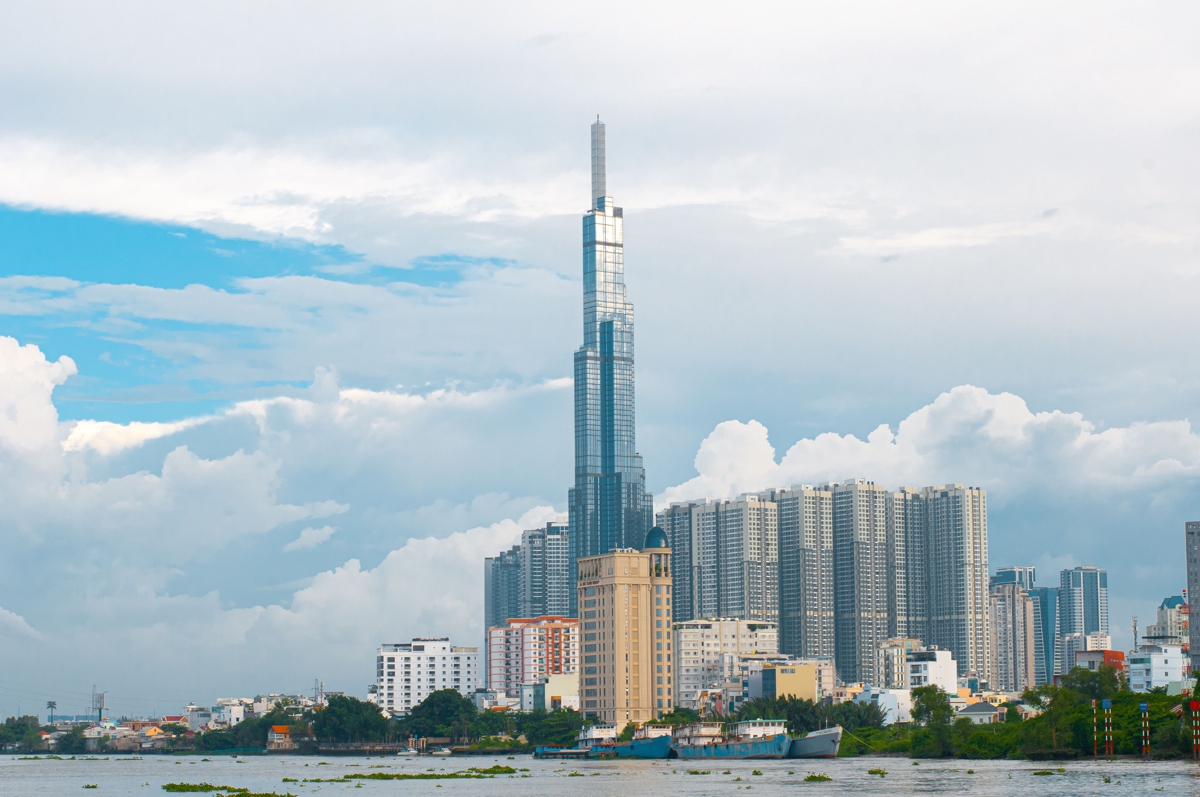
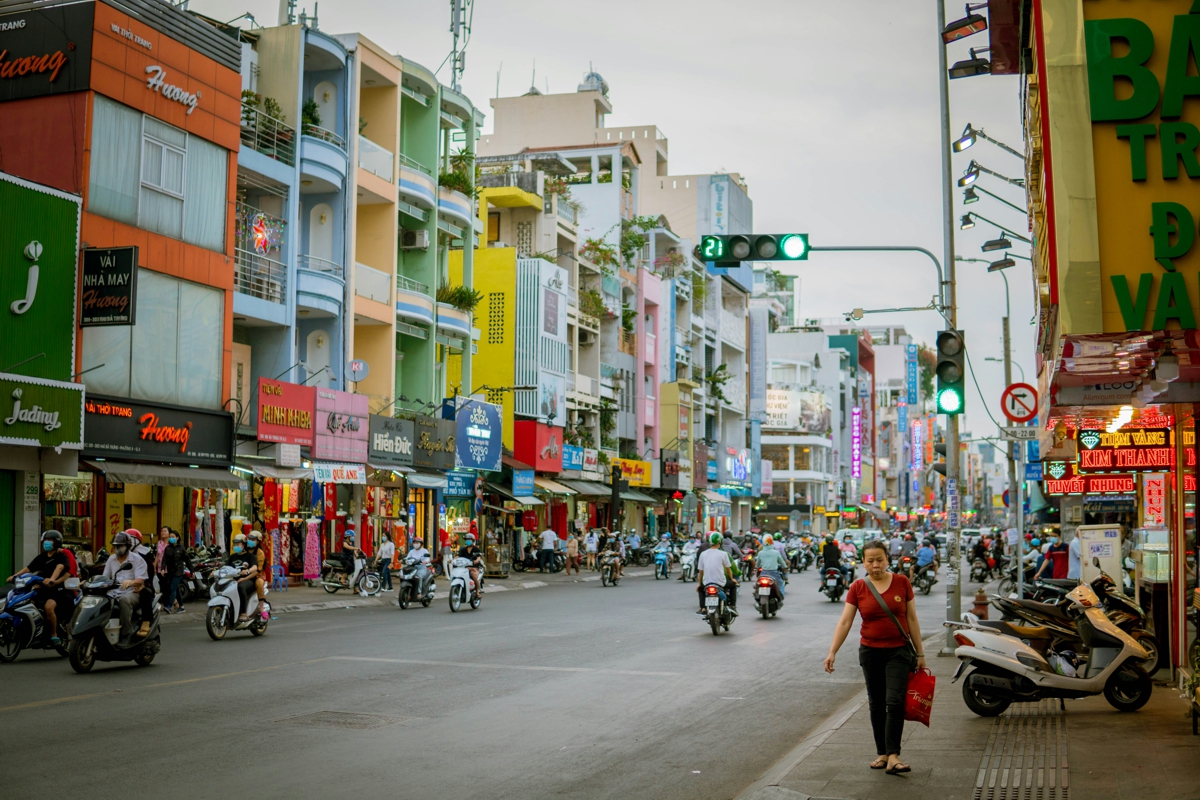
Still widely called Saigon, and denser and faster than Hanoi. The War Remnants Museum presents the conflict from the Vietnamese perspective and is confronting; the Reunification Palace is preserved as it was in 1975; the Central Post Office and the Notre-Dame Cathedral remain from the French period. District 1 holds the sights, but the neighbourhood markets and alley food in Districts 3, 4 and 5 are where the city actually eats.
12. Cu Chi tunnels
A 250-kilometre network of hand-dug tunnels north-west of the city, used by Viet Cong forces during the war. Sections have been widened for visitors and even those are extremely tight — genuinely unsuitable for anyone claustrophobic. Ben Duoc, the less-visited of the two sites, is quieter and more sober in presentation than Ben Dinh.
13. The Mekong Delta
A vast network of channels, orchards and floating markets. Can Tho’s Cai Rang floating market operates in the early morning and is best reached by small boat before six; day trips from Ho Chi Minh City that arrive at ten see a fraction of the activity. Staying a night in the delta rather than doing it as a day trip transforms the experience.
14. Con Dao or Phu Quoc
Vietnam’s island options differ sharply. Phu Quoc is developed, easy to reach and has long sand beaches with resorts to match. Con Dao is remote, mountainous, protected as a national park, and carries a heavy history as a prison island under French and South Vietnamese administration. Con Dao rewards travellers who want quiet water and empty roads; Phu Quoc suits those who want facilities.
15. Da Lat and the central highlands
A hill station at 1,500 metres with a cool climate, French colonial villas, pine forest and Vietnam’s coffee-growing belt. It is where Vietnamese couples honeymoon rather than where foreign visitors go, which is part of the appeal. Canyoning, waterfalls and flower farms fill the days, and the night market runs late and cheap.
Eating your way down the country
Vietnamese food shifts as you move south. In Hanoi, pho is clear-brothed and restrained, and bun cha — grilled pork with cold noodles and dipping broth — is the local lunch. Hue’s cooking is the most refined, a legacy of imperial kitchens, with bun bo Hue a spicier, lemongrass-heavy noodle soup. Hoi An has cao lau, thick noodles supposedly requiring water from a specific local well, and white rose dumplings. In the south everything is sweeter, and banh mi reaches its best form.
Street food is where the quality is. The reliable indicators are a busy stall, high turnover, and a vendor cooking one thing rather than twenty. Vietnamese coffee — dark roast, dripped slowly over condensed milk — is a national institution, and ca phe trung, egg coffee, is a Hanoi speciality worth going out of your way for.
Getting around
Domestic flights connect the main cities cheaply and save a great deal of time on a two-week trip. The Reunification Express railway runs the length of the country, with sleeper berths on the long sections; the Da Nang to Hue stretch is worth doing in daylight for the coastal views. Sleeper buses are the budget option and are widely used, though comfort and driving standards vary.
Grab, the regional ride-hailing app, works in the cities for both cars and motorbike taxis and removes any need to negotiate fares. Cash remains king outside hotels and larger restaurants, and small denominations are useful — the notes carry a lot of zeros and mistaking 50,000 for 500,000 is a common and expensive slip.
For regional detail, budgets and seasons, see our Vietnam travel guide. If you have a fortnight, the two-week north-to-south Vietnam itinerary links most of the above into a workable sequence.
When to go
There is no single season that suits the whole country, because the north, centre and south run on different weather. Broadly: the north is best from October to April, though December and January are cold in the mountains. The centre has a distinct rainy season from roughly September to December, with flooding common in Hue and Hoi An. The south is warm year-round with a wet season from May to November, bringing short heavy afternoon rain rather than washouts.
March, April and October to November are the most reliable months for a full-country trip. Tet, the lunar new year in late January or February, sees the entire country travel home; transport books out, many businesses close for a week, and prices rise. It is a fascinating time to be present and a difficult one to move around in.
FAQ
How long do you need in Vietnam?
Two weeks is the minimum for a north-to-south trip with time to stop. Three weeks lets you add Ha Giang, Phong Nha or the delta properly. One week means picking either the north or the south, not both.
Do you need a visa for Vietnam?
Many nationalities need an e-visa applied for in advance, while some receive short visa-free entry. Rules and validity periods change, so check the official Vietnamese immigration portal rather than relying on secondhand advice.
Is Vietnam cheap to travel in?
Yes, by most standards. Street meals, local transport and simple accommodation are inexpensive, and mid-range comfort costs a fraction of what it would in Europe. Ha Long Bay cruises, internal flights and organised tours are where budgets are actually spent.
Is Ha Long Bay worth it given the crowds?
Yes, with the right choice. The main bay carries heavy boat traffic on the standard routes. Lan Ha Bay from Cat Ba, or a two-night cruise that reaches less-visited areas, gives you the landscape without the flotilla.