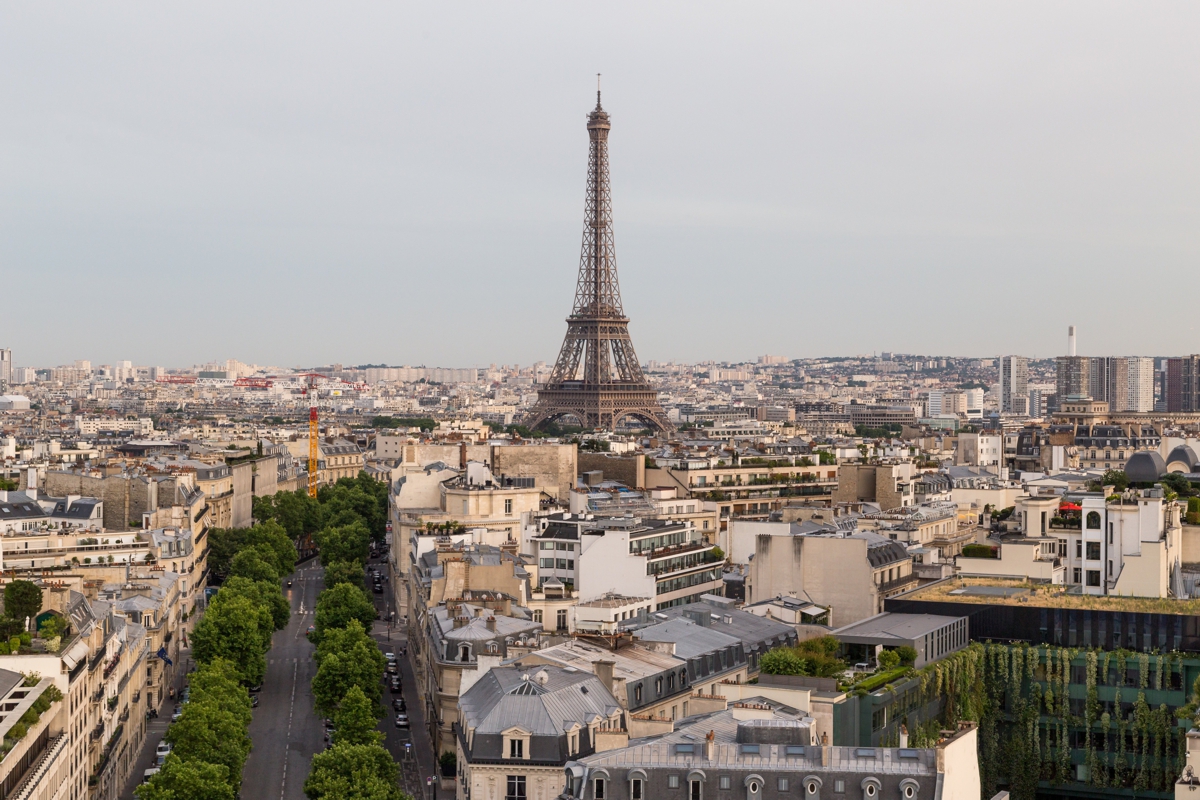
Most first-time visitors move between the same dozen landmarks, and there is nothing wrong with that. But the Paris that regulars fall for tends to sit a street or two off the main route. These hidden gems in Paris are the covered passages, quiet gardens, small museums and village-like quarters that rarely make the highlight reels yet reveal a more textured, lived-in city. Work a few into your days and Paris starts to feel like yours rather than a checklist.
The covered passages of the Right Bank
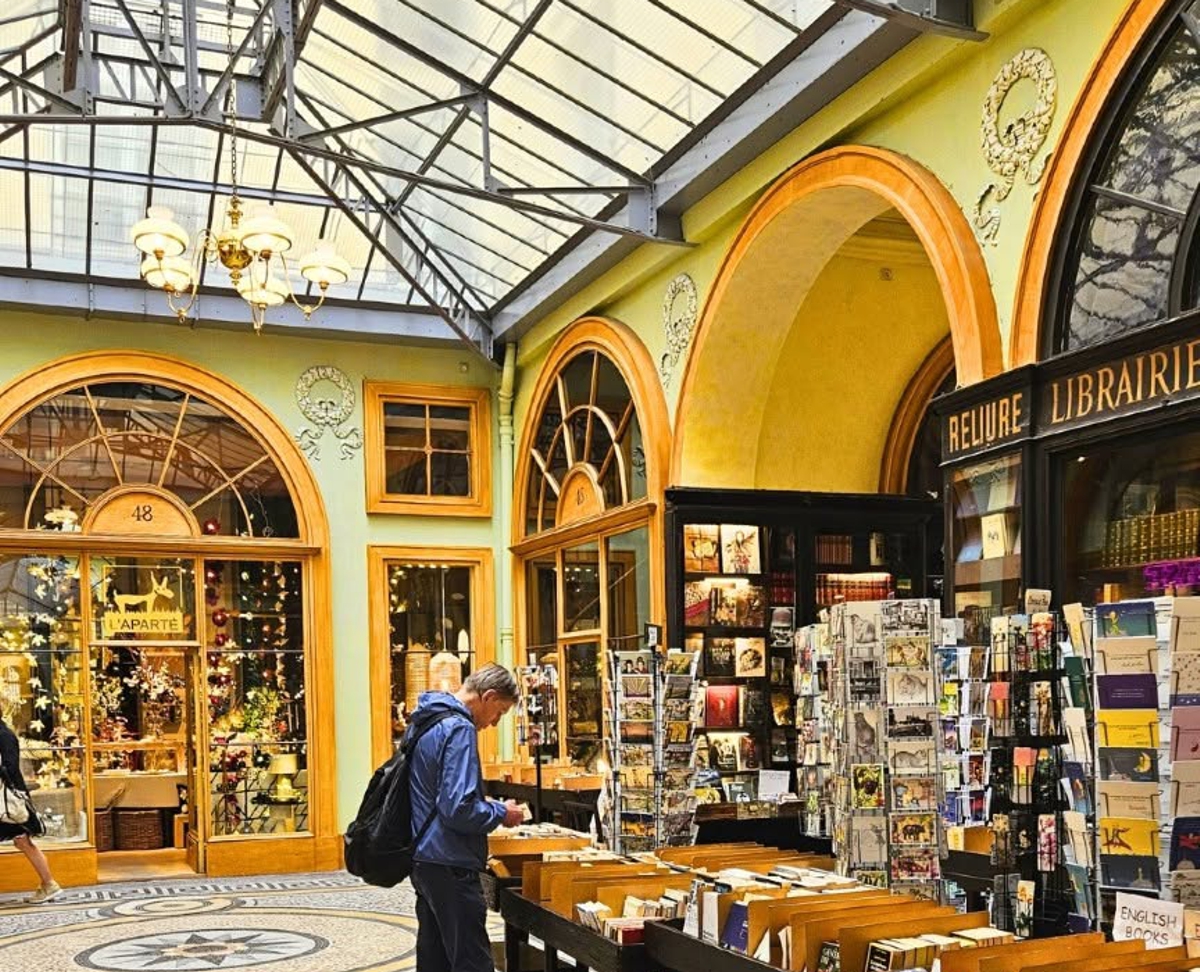
Long before shopping malls, Parisians strolled the covered passages, glass-roofed arcades lined with booksellers, tea rooms and old-fashioned shops. The elegant Galerie Vivienne, with its mosaic floors, is the most beautiful, but the Passage des Panoramas and Passage Jouffroy nearby are livelier and full of stamp dealers, vintage shops and tiny bistros. Threading between them on a rainy afternoon is one of the most atmospheric things you can do in the city, and it costs nothing.
These arcades cluster in the 2nd and 9th arrondissements, easily linked on foot. Because they are indoors, they make an ideal wet-weather plan when the queues at the big sights are miserable.
Quiet gardens and green escapes
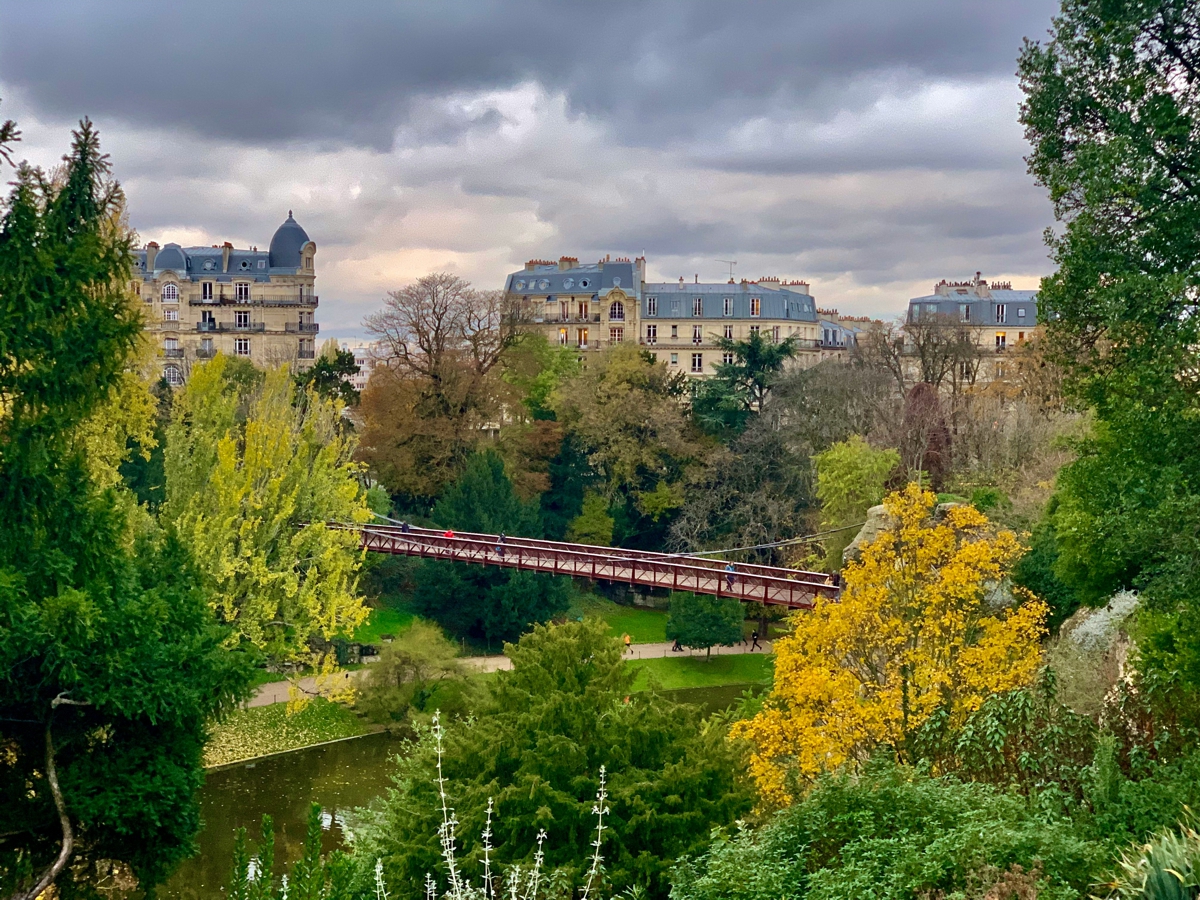
Everyone knows the Luxembourg and Tuileries gardens, but Paris hides gentler green corners. The Promenade Plantée, a planted walkway built atop a disused railway viaduct in the 12th, runs for kilometres above the street and predates New York’s High Line. In the northeast, the steep, romantic Parc des Buttes-Chaumont has cliffs, a lake and a clifftop temple that feel a world away from the boulevards.
The Musée de la Vie Romantique garden
Tucked at the end of a cobbled lane in the 9th, this small museum in a former painter’s house has a rose-filled courtyard and a tea salon that few tourists find. It is the kind of place where you can sit for an hour and hear more French than English, a rarity near the centre.
Village Paris: Montmartre’s back streets and beyond
Montmartre’s summit is famously crowded, but its back slopes stay quiet. Wander down the far side toward the vineyard on Rue des Saules, the last working vineyard in the city, and the narrow Rue de l’Abreuvoir, and the tour groups vanish. Further out, the Butte-aux-Cailles in the 13th and the flower-lined lanes of the Mouzaïa quarter in the 19th feel like villages that Paris grew around rather than a capital at all.
These neighbourhoods reward aimless walking more than a fixed itinerary. Give yourself an unhurried morning, follow the quietest streets, and stop wherever a café looks inviting.
Small museums the crowds skip
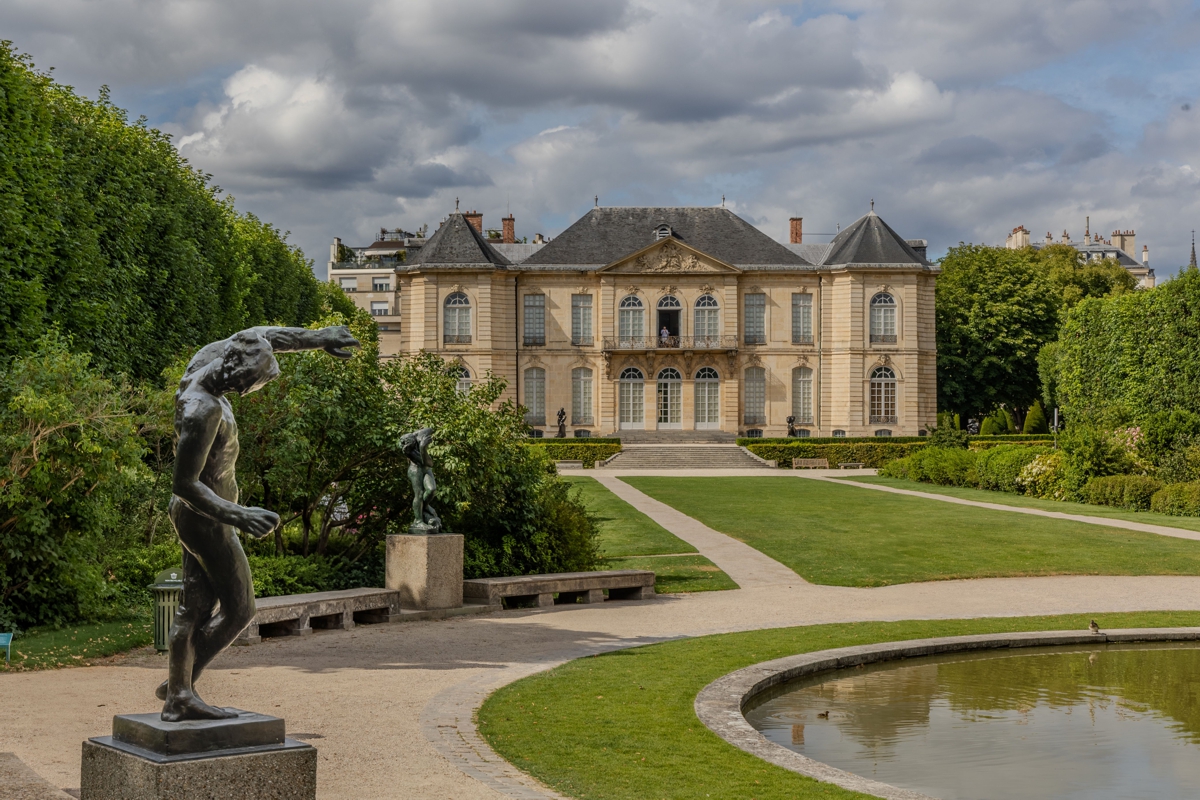
The Louvre and Orsay dominate, yet Paris is full of intimate museums that rarely have a line. The Musée Rodin pairs the sculptor’s work with a garden where The Thinker sits among the roses. The Musée Nissim de Camondo preserves an aristocratic mansion frozen in time, and the Musée Jacquemart-André displays a private collection in a lavish 19th-century home. Each offers a richer, calmer experience than the blockbusters, and many are free to enter on certain days.
If you want more of the city’s no-cost pleasures, our guide to free things to do in Paris gathers gardens, viewpoints and museum days that keep a visit affordable.
Offbeat corners worth the detour
A few smaller curiosities round out a deeper visit. The Arènes de Lutèce, a Roman amphitheatre hidden behind apartment blocks in the 5th, is where locals play pétanque among 2,000-year-old stones. The covered Marché des Enfants Rouges, the oldest market in Paris, serves lunch from stalls tucked behind an unassuming gate in the Marais. And a canal-side stroll along the Canal Saint-Martin, with its iron footbridges and picnicking locals, shows the everyday, unpolished side of the city.
Making room for the hidden side of Paris
You do not need to abandon the landmarks to find these places; most sit a short walk from sights you were visiting anyway. The trick is to build in unstructured time, an afternoon with no fixed plan, and to head one metro stop past where the crowds get off. Comfortable shoes and a loose plan do more for discovering hidden Paris than any guidebook route.
Balance these quieter corners against the essentials in our roundup of the best things to do in Paris, and lean on the wider Paris travel guide to shape a trip that mixes icons with discoveries.
Neighbourhoods for wandering
Beyond the individual sights, some of the best hidden Paris is simply a matter of choosing the right neighbourhood and letting the streets lead. The Canal Saint-Martin quarter in the 10th has a young, unpolished energy, with independent boutiques, casual wine bars and locals picnicking along the water on warm evenings. Further east, the Bercy district hides a former wine warehouse quarter turned into a car-free village of shops and cafés, and a park that few tourists ever reach. Across the river, the Butte-aux-Cailles feels like a country village dropped into the 13th, its low houses and street art a world away from the boulevards.
The common thread is that these areas reward time rather than a checklist. Rather than racing between them, pick one, arrive without a fixed plan, and give yourself a couple of unhurried hours to browse, sit and watch. That is how Parisians use their own city, and it is the surest way to stumble on the small bakery, bookshop or square that becomes the memory you carry home.
A practical note on timing: many of the smaller museums close one day a week, often Monday or Tuesday, and some offer free entry on the first Sunday of the month, which draws bigger crowds in exchange for the saving. Checking opening days before you set out avoids a wasted walk, and pairing an indoor gem with an outdoor one gives you a plan that works whatever the Paris weather decides to do that afternoon.
Eating like a local
Discovering hidden Paris is as much about where you eat as what you see. Step away from the cafés facing the big monuments and into the neighbourhood bistros, natural-wine bars and boulangeries that Parisians actually frequent, and both the quality and the value improve. The covered market halls, from the Marché des Enfants Rouges to the Marché d’Aligre near Bastille, serve honest, affordable lunches amid genuine local bustle. Building a meal in one of these spots into your wanderings gives you a taste, quite literally, of the everyday city that sits just behind the postcard.
FAQ
What are the best hidden gems in Paris?
The covered passages like Galerie Vivienne, the Promenade Plantée elevated walkway, the back streets of Montmartre, and small museums such as the Musée Rodin and Musée Jacquemart-André top most lists.
Are there quiet neighbourhoods in Paris worth exploring?
Yes. The Butte-aux-Cailles, the Mouzaïa quarter and Montmartre’s back slopes feel like villages and stay far quieter than the central boulevards.
Can you find free hidden gems in Paris?
Many cost nothing, including the covered passages, the Arènes de Lutèce Roman amphitheatre and several parks, while some museums offer free entry on set days.
How do I avoid the crowds in Paris?
Visit early, walk one metro stop beyond the main sights, and choose smaller museums and outer neighbourhoods, which rarely see the queues of the headline landmarks.