
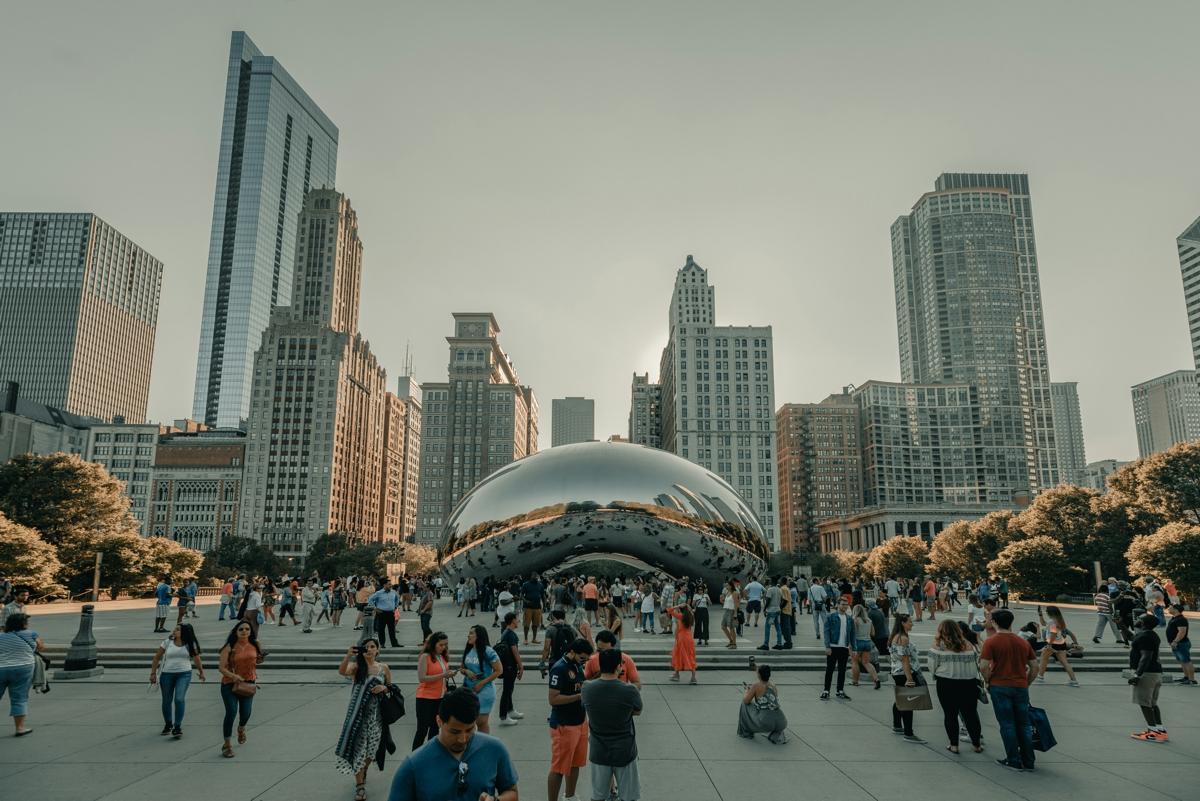
Every popular city has a gravitational pull toward the same overpriced restaurants, the same souvenir stalls, and the same photo spots ringed by people selling selfie sticks. Learning how to avoid tourist traps is not about being a travel snob. It is about getting better food, fairer prices, and more genuine experiences with the same time and money. The traps exist because they work on people who are tired, hungry, and unfamiliar with a place. A few simple habits move you out of that target zone and into the version of the city that locals actually use.
Why tourist traps exist and how to avoid tourist traps early
Tourist traps cluster in predictable places: right beside major attractions, along the main pedestrian drag, and anywhere with staff actively waving menus at passersby. These businesses pay premium rent for foot traffic and recoup it through inflated prices and mediocre quality. Knowing how to avoid tourist traps starts with a simple rule of thumb: the closer a restaurant sits to a famous landmark, and the more aggressively it advertises to strangers, the less likely it is to be good value.
The single most effective move is to walk. Five to ten minutes away from a headline sight, prices drop and quality rises, because those businesses survive on locals and repeat visitors rather than one-time tourists. Distance is your cheapest and most reliable filter.
Eating well without getting stung
Food is where travelers lose the most money for the least reward. A few checks separate a memorable meal from a forgettable, overpriced one.
Read the room, not just the reviews
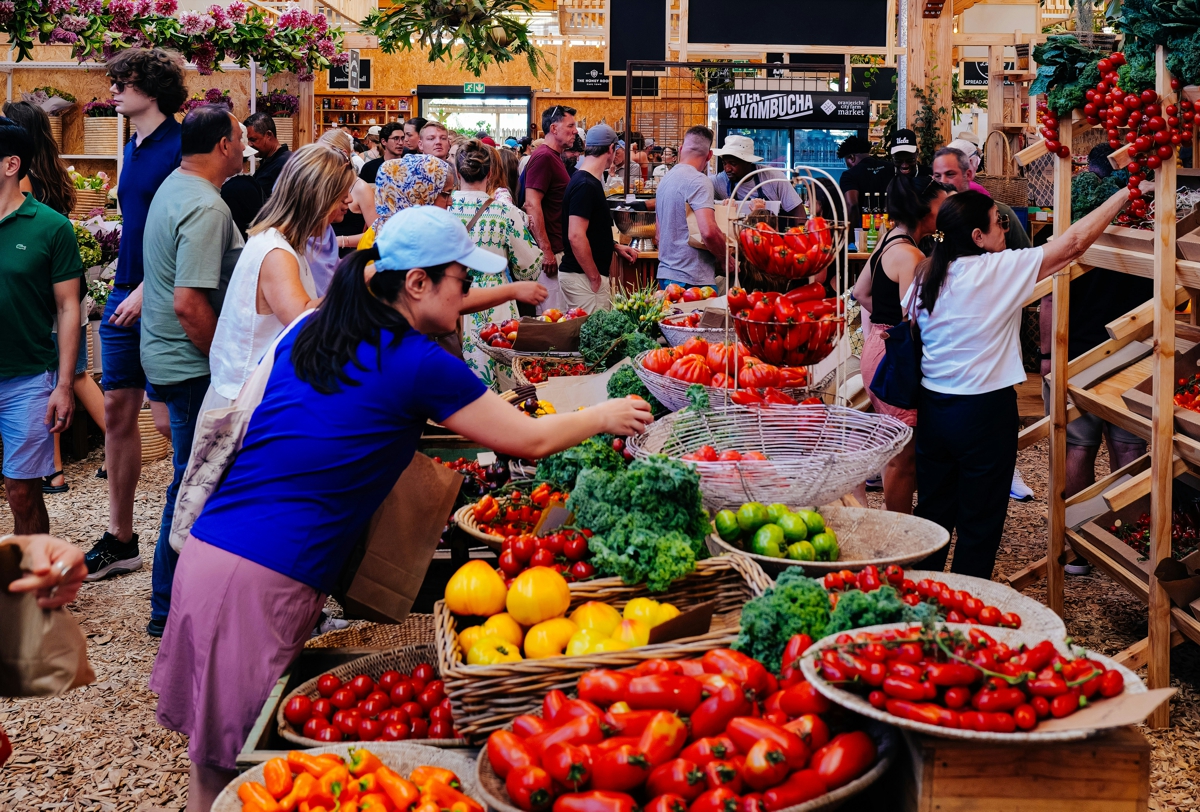
Look at who is eating. A restaurant full of locals at local mealtimes is a good sign, while one filled entirely with tourists and photographed menus in six languages is a warning. Menus with pictures of the food, staff hustling people in from the street, and dishes wildly out of place for the region all suggest a trap. When you want authentic local food, our guide to eating street food safely without getting sick shows how to enjoy the best of a city’s cuisine without the risk or the markup.
Watch the classic menu tricks
Be alert to prices listed by weight, unrequested “specials” brought to the table, and cover charges buried in fine print. Confirm prices before ordering anything not clearly listed, and be wary of anywhere that will not show you a written menu with prices at all. These tactics overlap heavily with outright scams, and our roundup of the most common travel scams and how to avoid them covers the ones that cost travelers the most.
Seeing the city beyond the postcard
The famous sights are famous for a reason, and skipping them entirely would be silly. The goal is to balance them with the neighborhoods and corners that most visitors never reach.
Explore the neighborhoods locals love
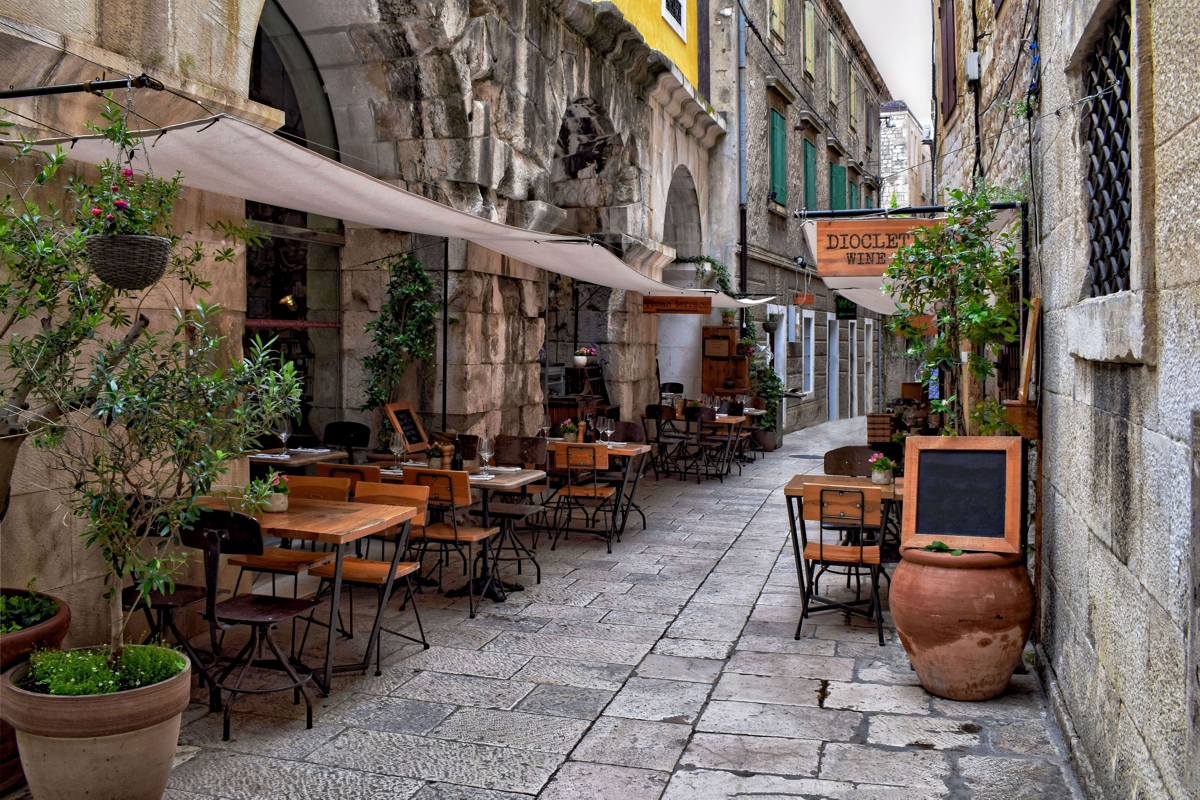
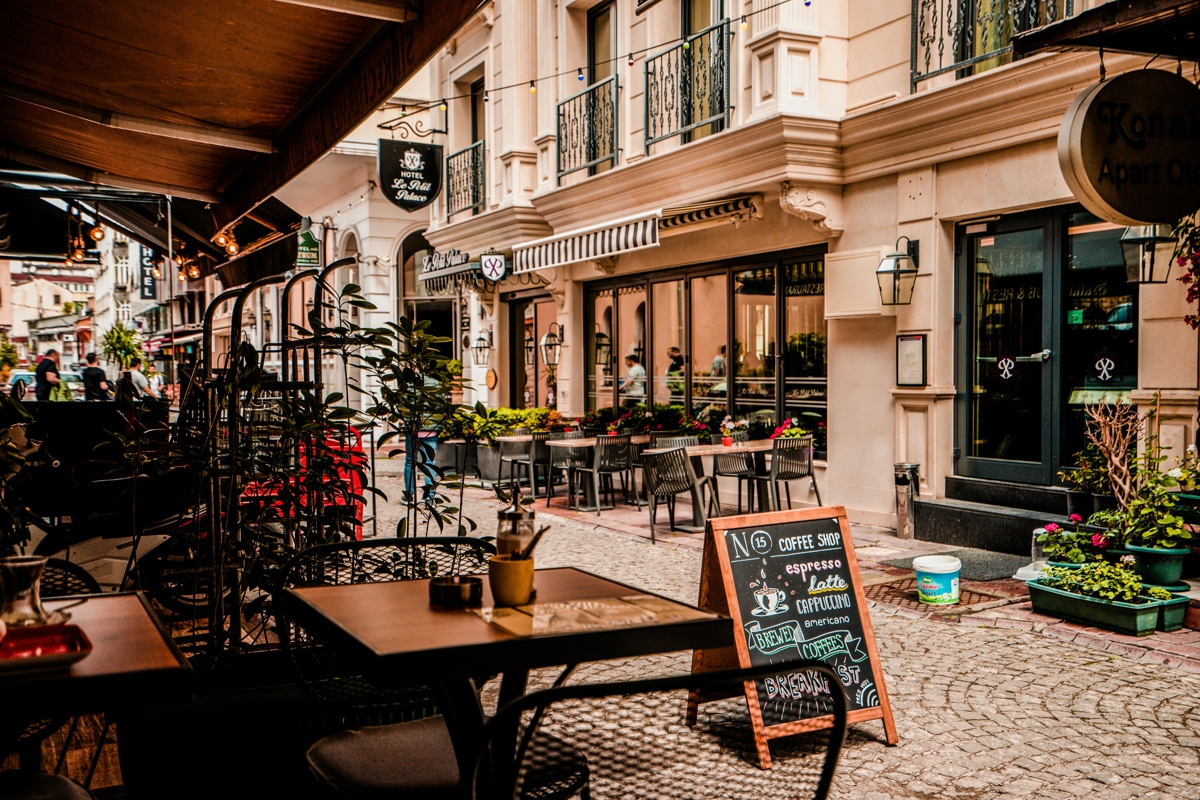
Every great city has districts that residents adore and tour buses ignore. These are where you find fair prices, real character, and the experiences you will still be talking about a year later. Paris and Rome are perfect examples of cities where the best moments hide a short walk from the crowds. Our guides to the hidden gems of Paris most tourists miss and the hidden gems of Rome beyond the Colosseum point you toward exactly these places.
Time your visits
Even genuine attractions become traps when everyone arrives at once. Visit major sights early in the morning or late in the day, when crowds thin and prices at nearby cafes calm down. Midday at a headline landmark is the most expensive, most crowded, least enjoyable time to be there. Shifting your schedule by a couple of hours changes the whole experience.
Small habits that keep you out of traps
Ask the people who live there. Hotel staff, shopkeepers, and your accommodation host can point you to where they eat, though it helps to ask where they personally go rather than what they recommend for tourists. Learn the local price for common items, so an inflated one is obvious. Withdraw and pay in the local currency rather than accepting a merchant’s conversion, and avoid changing money at airport or tourist-strip exchange booths. None of this requires effort once it becomes habit, and together these small choices add up to a trip that feels richer and costs less.
Tourist traps beyond restaurants
Food gets the most attention, but traps lurk in other corners of a trip too, and the same instincts protect you. Souvenir shops clustered right beside a landmark charge the highest prices for the most generic goods. Walk a few streets away, or buy from a local market, and you will usually find better quality for less, often made closer to home rather than mass-produced overseas.
Transport is another common snare. Unofficial taxis waiting outside stations and attractions frequently overcharge or take long routes, so favor official ranks, metered cars, or reputable ride apps, and agree on a price or insist on the meter before setting off. Ticket resellers near popular sights sometimes sell marked-up or even invalid entry, when the official website or box office would have been cheaper and safer. A minute of checking the official source protects both your wallet and your day.
Then there are the “free” offers that are not free at all: a bracelet slipped onto your wrist, a sprig of herbs pressed into your hand, or someone offering to take your photo, each followed by a demand for money. A polite, firm no and keeping your hands to yourself defuses almost all of these. The thread running through every trap, whether a restaurant, a shop, a taxi, or a street hustle, is that it targets people who feel rushed, unsure, or unwilling to seem rude. Slow down, trust your judgment, and you sidestep the vast majority of them without any drama.
The reward for avoiding these traps is not just money saved but a fundamentally better trip. Travelers who eat where locals eat, shop where locals shop, and wander the streets residents actually use come home with richer stories and a truer sense of the place. The famous sights remain part of the picture, and rightly so, but they become the frame rather than the whole canvas. Balancing the landmarks everyone sees with the corners most visitors miss is the difference between visiting a city and briefly understanding it. Approach each new place with a little curiosity and a little skepticism, and you will find that the version of it worth remembering was never the one printed on the postcards in the first place.
FAQ
How can I tell if a restaurant is a tourist trap?
Warning signs include a location right beside a landmark, staff waving people in from the street, photo menus in many languages, and a room full of only tourists. Walking a few minutes away usually finds better value.
Are tourist attractions themselves traps?
Not always. Famous sights are often worth seeing, but the businesses around them frequently are traps. Visit the attraction, then walk away from it to eat, shop, and relax.
How do I find where locals go?
Ask hotel staff or your host where they personally eat, explore residential neighborhoods away from the main sights, and notice where locals gather at normal mealtimes rather than following the crowds.
What is the easiest way to avoid tourist traps?
Walk five to ten minutes away from any major attraction before eating or shopping. Distance from the landmark is the single most reliable filter for better prices and quality.

Recent Comments