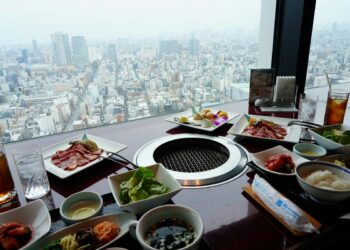
Few cities on earth reward an appetite like the Mexican capital, and figuring out what to eat in Mexico City is a joyful, almost endless task. This is one of the world’s great food cities, where a taco stand run by three generations of the same family sits a short walk from a restaurant ranked among the best on the planet. Mexican cooking is recognized by UNESCO as intangible cultural heritage, and CDMX gathers the whole country’s regional traditions in one place, from Oaxacan mole to Yucatecan cochinita, layered over the capital’s own deep street-food culture. This guide runs through twenty essentials, from the humblest stall to the tasting menu.
Tacos: the heart of what to eat in Mexico City
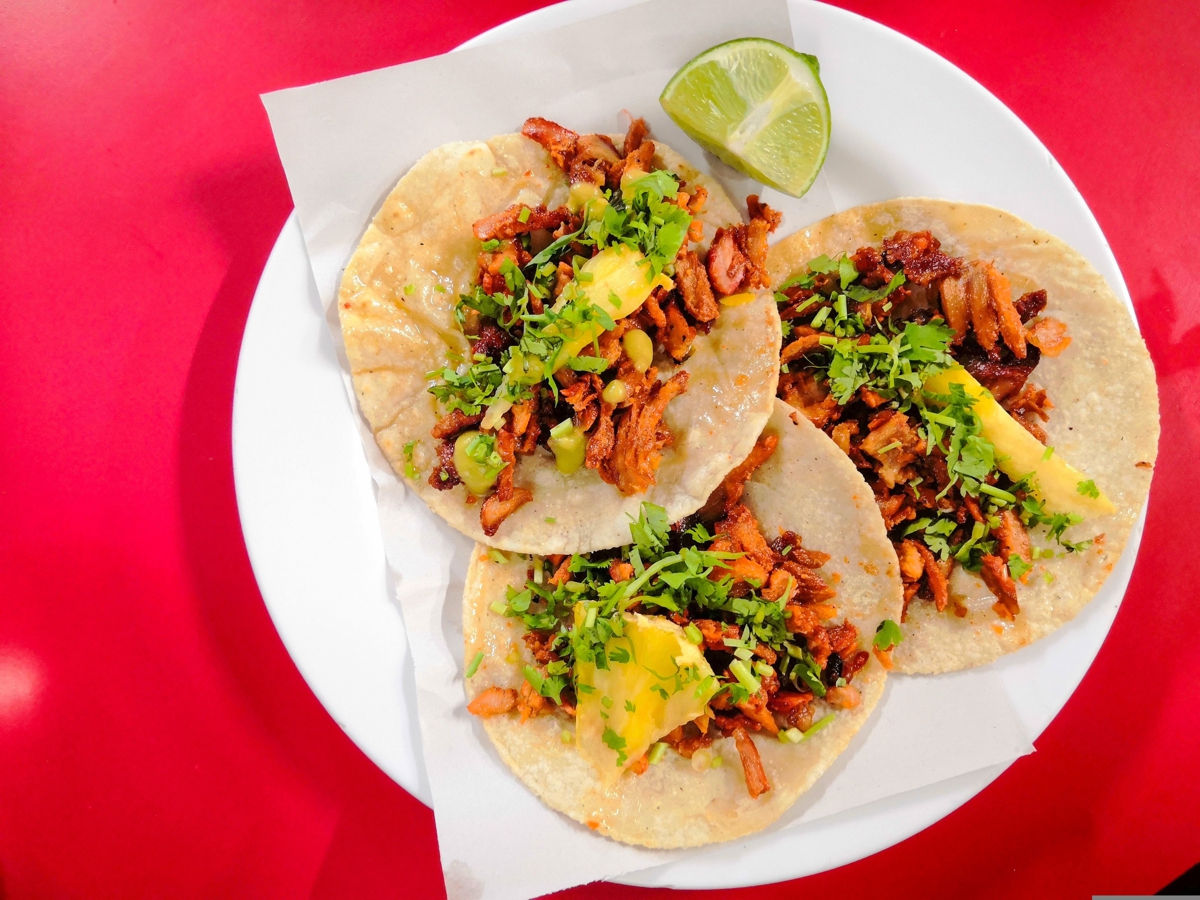
You cannot begin to answer what to eat in Mexico City without tacos, and the city’s taco culture alone could fill a lifetime. The most iconic are tacos al pastor: pork marinated in chilies and achiote, stacked on a vertical spit (the trompo) with a pineapple crowning the top, shaved onto small corn tortillas with onion, coriander, and a sliver of that caramelized pineapple, a dish born of Lebanese immigrants adapting shawarma to Mexican flavors. But the varieties are dizzying. Tacos de suadero (griddled beef brisket), de longaniza (sausage), de bistec (steak), and campechanos (a mix) fill the evening stands. Tacos de canasta, “basket tacos” steamed soft and sold from bicycles, and tacos de guisado, filled with home-style stews, feed the lunchtime crowds. Barbacoa, lamb slow-steamed in maguey leaves, and carnitas, pork confited until tender, are the weekend specialties.
Antojitos: the masa street classics
Beyond tacos lies the wider world of antojitos, corn-masa snacks that are the backbone of Mexican street eating. Quesadillas here are folded masa turnovers filled with cheese or, famously in CDMX, fillings like huitlacoche (corn fungus), squash blossom, or chicharrón, griddled or fried; be ready for the eternal local debate over whether a quesadilla must contain cheese. Tlacoyos are oval masa cakes stuffed with beans or fava and topped with nopal cactus, cheese, and salsa. Sopes and huaraches are thicker masa bases piled with beans, meat, crema, and cheese. Esquites and elotes, cups and cobs of corn dressed with mayonnaise, cheese, chili, and lime, are the ever-present snack sold on nearly every corner. These masa dishes, cooked on a comal before your eyes, are the true flavor of the city’s streets.
Breakfast in Mexico City
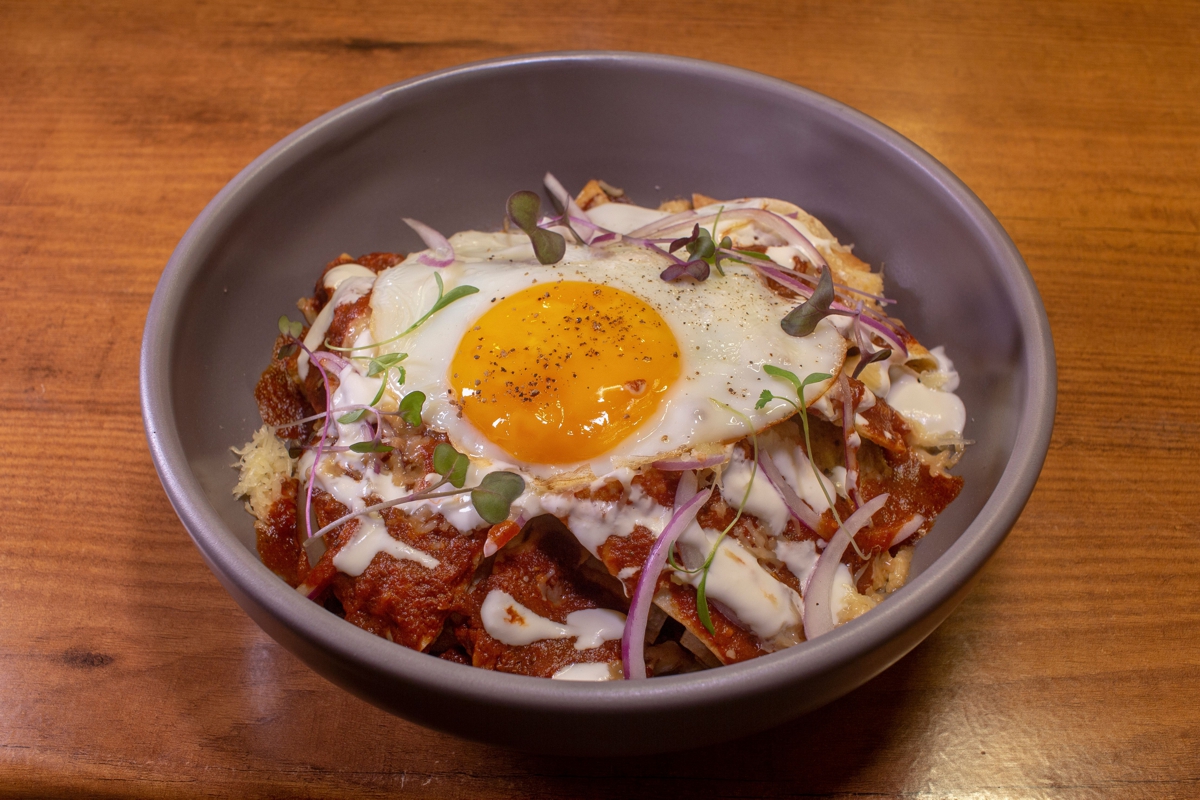
The capital takes breakfast seriously, and it is one of the best meals to seek out. Chilaquiles are the classic: fried tortilla triangles simmered in green or red salsa until just softened, topped with crema, cheese, onion, and often a fried egg or shredded chicken. Tamales, masa steamed in corn husks or banana leaves around a filling of meat and salsa, are the grab-and-go breakfast, and the city’s most beloved morning ritual is the guajolota, a tamal stuffed inside a bread roll, a carbohydrate-on-carbohydrate marvel eaten on the way to work. Huevos rancheros and huevos a la mexicana round out the sit-down options, all washed down with coffee or hot chocolate and a basket of pan dulce.
Mole, tamales, and the regional dishes gathered in the capital
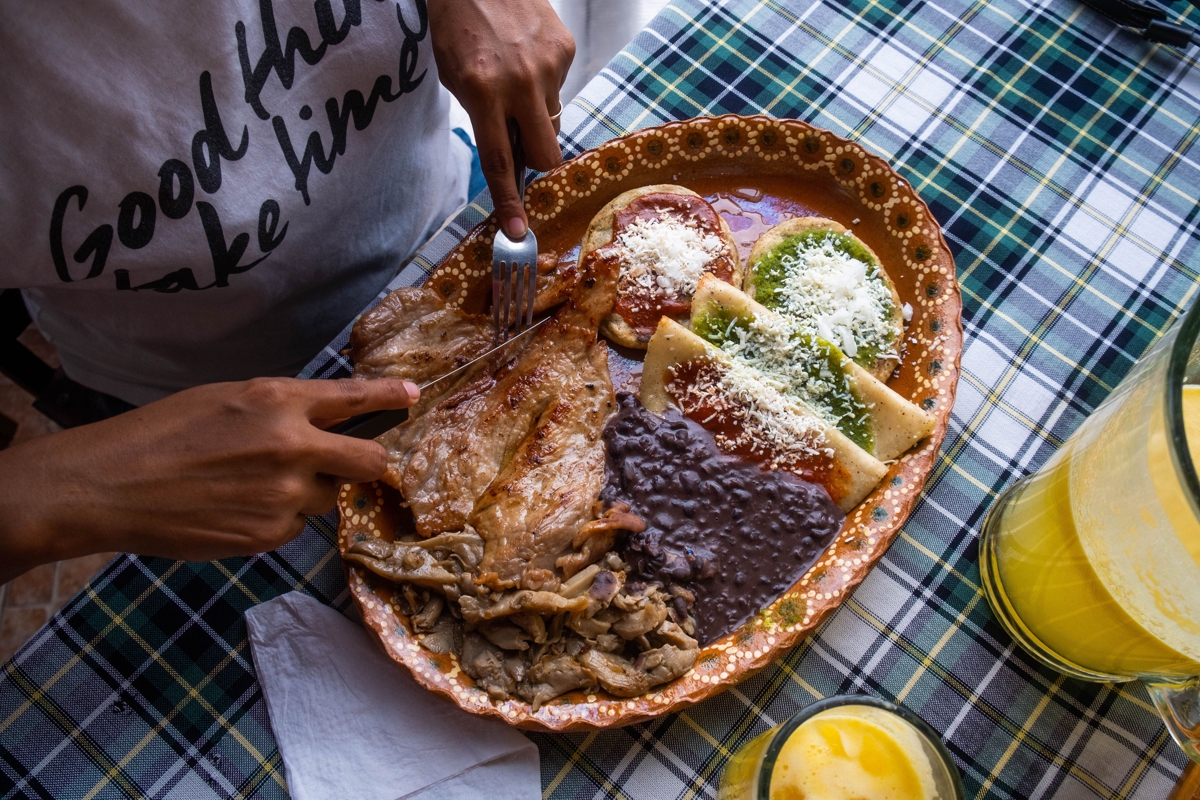
Because Mexico City draws people from every state, its restaurants and markets serve the whole country’s regional cooking, and sampling it is a highlight of what to eat in Mexico City. Mole, the complex sauce that can blend dozens of ingredients, chilies, chocolate, nuts, seeds, and spices, appears in many forms, from the deep, sweet-spicy mole poblano to Oaxacan black mole, ladled over turkey or chicken. Pozole, a hearty hominy soup topped with radish, lettuce, and oregano, is the celebratory weekend bowl. Cochinita pibil from the Yucatán, cabrito from the north, and Oaxacan tlayudas all have a home here. The great markets, La Merced, San Juan, and the food halls of Coyoacán, are where this regional bounty concentrates, and eating at a market fonda is one of the city’s essential experiences.
Tortas, tamales, and the sandwich culture
Mexico City’s tortas deserve their own mention, a whole sandwich culture built on crusty telera and bolillo rolls. The torta is layered with beans, avocado, and any filling from milanesa (breaded cutlet) to al pastor, while the torta ahogada, a Guadalajara import now common in the capital, is “drowned” in a spicy tomato sauce. The pambazo is a torta dipped in red guajillo salsa and griddled, stuffed with potato and chorizo. These substantial, cheap sandwiches are lunchtime staples across the city, sold from stalls and specialist torterías that have perfected their fillings over decades.
The world-class dining scene
At the other end of the spectrum, Mexico City has become one of the most celebrated fine-dining destinations in the world, and no account of what to eat in Mexico City is complete without it. The city’s leading kitchens, several ranked among the world’s best restaurants, reinterpret Mexican ingredients and traditions with astonishing creativity, turning heirloom corn, native chilies, insects, and pre-Hispanic techniques into refined tasting menus. Neighborhoods like Roma, Condesa, Polanco, and Juárez are dense with ambitious restaurants, mezcalerías, and bakeries. A splurge here is a genuine culinary event, and reservations at the top tables are booked well in advance. For a curated look across the full range, from the temples of fine dining to the beloved fondas, the guide to Mexico City dining, from fine dining to fondas helps you choose.
Sweets, pan dulce, and churros
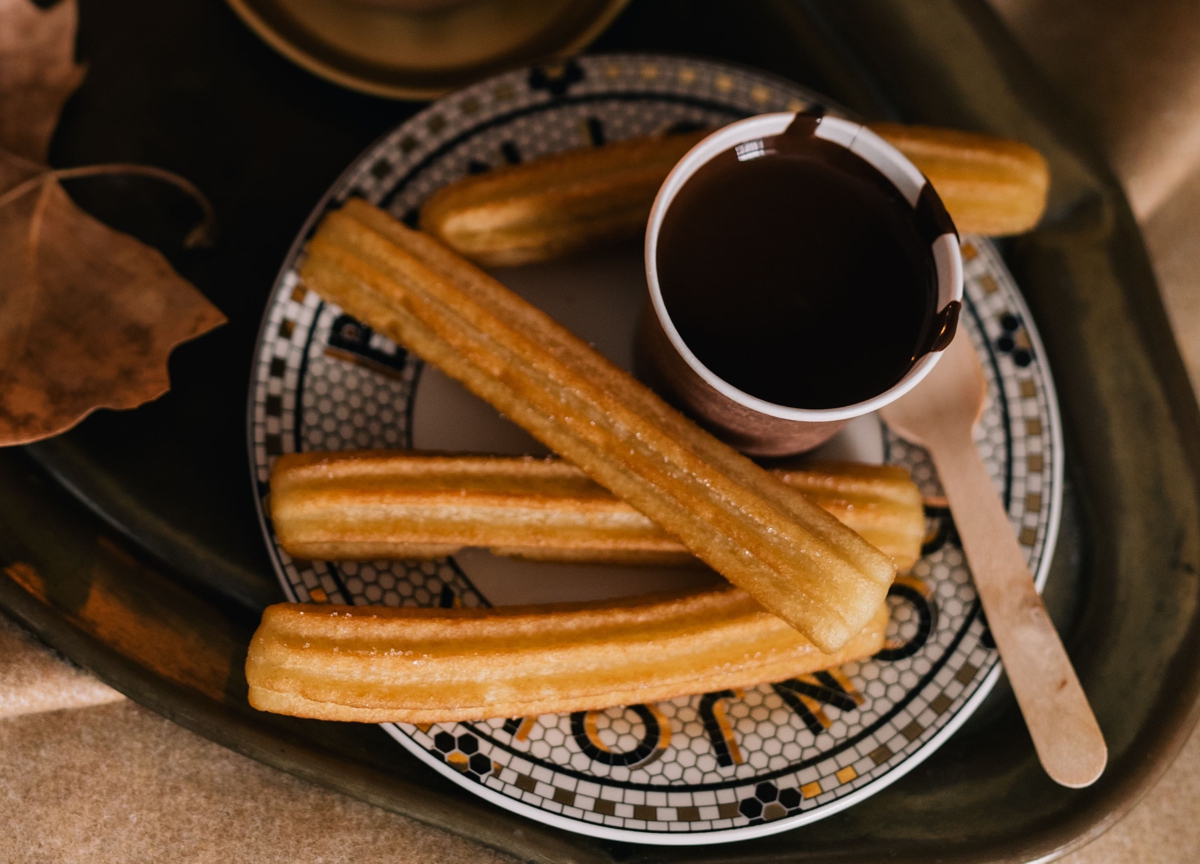
Mexican sweets are a world of their own. Pan dulce, sweet breads in dozens of shapes, conchas with their seashell sugar crust, orejas, cuernos, fills every neighborhood panadería, and buying a tray with tongs to eat with coffee is a daily pleasure. Churros, extruded and fried to order, dusted in cinnamon sugar and dipped in thick hot chocolate or cajeta, are a beloved treat sold at historic churrerías open late. Traditional dulces, camotes, cocadas, and tamarind candies, fill the markets, and paletas and nieves offer icy fruit relief. Flan and arroz con leche close many a comida. The city’s sweet tooth is as deep as its love of chili.
Pre-Hispanic ingredients and adventurous eating
Part of what makes Mexico City such a thrilling place to eat is its living connection to pre-Hispanic foodways, and the adventurous eater is richly rewarded. Insects have been part of the Mexican diet for millennia and remain a delicacy: chapulines (toasted grasshoppers) seasoned with chili and lime are sprinkled over tacos or eaten by the handful, while escamoles, the delicate “ant caviar” of ant larvae, are a prized seasonal treat sauteed in butter and folded into tacos. Huitlacoche, the inky corn fungus sometimes called Mexican truffle, fills quesadillas with an earthy, mushroomy richness. Flor de calabaza (squash blossom) and nopal (cactus paddle) turn up in everything from soups to tacos. Even the humble grasshopper and the ancient amaranth grain speak to a cuisine that never lost its indigenous roots. You do not have to seek out the most exotic dishes to eat superbly, but trying at least a few, chapulines on a taco, a huitlacoche quesadilla, connects you to a culinary heritage thousands of years deep and is a real highlight of what to eat in Mexico City.
Eating by neighborhood
The capital is enormous, and its food changes character from one district to the next, so it helps to eat with the map in mind. The Centro Histórico is the place for old-school cantinas, historic churrerías, and the sprawling market of La Merced. Roma and Condesa, the leafy, walkable neighborhoods, concentrate the modern restaurants, specialty coffee, mezcalerías, and bakeries that have made the city a global dining destination. Polanco holds the grandest fine-dining rooms. Coyoacán, with its colonial plaza and market, is beloved for tostadas and churros, while the residential colonias reward anyone willing to wander for the neighborhood taquería or the tamal cart on the corner. Markets everywhere, from the food-focused San Juan to the vast Central de Abasto, are the beating heart of the city’s eating. Rather than staying in one area, ride the metro between neighborhoods and let each one add a different layer to your understanding of the capital’s table. Grazing across districts, high and low, ancient and new, is the only way to do justice to a city this deep in flavor.
What to drink: from pulque to mezcal and café de olla
The capital’s drinks range from ancient to artisanal. Pulque, the fermented, faintly viscous sap of the maguey plant, is a pre-Hispanic drink enjoying a revival in traditional pulquerías, served plain or blended with fruit as a curado. Mezcal, tequila’s smoky, artisanal cousin, is sipped slowly in the city’s many mezcalerías, often with orange and worm salt. Aguas frescas, jamaica, horchata, tamarindo, refresh a meal, while café de olla, coffee brewed in a clay pot with cinnamon and unrefined piloncillo sugar, is the traditional cup. Michelada and the wider craft-beer and cantina scene round out the options. Exploring the capital through its drinks, from a rowdy pulquería to a refined mezcal bar, is its own kind of tour.
Where and how to eat
The best strategy for eating in Mexico City is to graze widely and follow the crowds. Street stands and markets offer the most authentic and affordable food, and the busiest stalls, with high turnover and a queue of locals, are the safest and most delicious. Tacos are an evening food, tamales and chilaquiles belong to the morning, and the main meal, la comida, falls in the mid-afternoon, when fondas serve their set menús del día. Balancing cheap street eating against the occasional market fonda and a fine-dining splurge lets you experience the full, dizzying range. To dive deep into the stalls and specialties, the Mexico City street food guide maps the essential bites corner by corner.
To fold all this eating into a broader trip through the neighborhoods, museums, and day trips, the full Mexico City travel guide lays out where to base yourself and how the vast city fits together, so the tacos, markets, and restaurants slot naturally into your days.
One last piece of advice: pace yourself and eat little and often. The temptation in Mexico City is to fill up at the first great taco stand, but the city rewards the grazer who takes two tacos here, a quesadilla there, an esquite on the walk, and a churro at the end of the night. Carry cash for stalls and markets, taste the salsas before drowning your food since some are ferociously hot, and lean on the locals’ rhythm, tamales in the morning, comida in the afternoon, tacos after dark. Do that, and the capital reveals itself as perhaps the most complete eating city in the Americas, where the humblest corner stand and the world’s finest kitchens are chasing the same thing: the extraordinary depth of Mexican flavor. Give the city time, come with curiosity and an empty stomach, and it will keep surprising you long after you think you have tasted it all.
FAQ
What food is Mexico City famous for?
Mexico City is famous for its tacos, especially tacos al pastor, along with street antojitos like tlacoyos, quesadillas, and esquites, breakfast dishes like chilaquiles and tamales, and, increasingly, a world-class fine-dining scene. It also gathers regional dishes from across Mexico, such as mole and pozole.
Is street food safe in Mexico City?
Generally yes, especially at busy stalls with high turnover where food is cooked fresh in front of you. Follow the local crowds, eat hot freshly made food, and choose stands that are clearly popular. The best street food is a highlight of any visit.
When do people eat in Mexico City?
Breakfast is substantial and eaten mid-morning, the main meal (la comida) falls in the mid-afternoon around two or three, and tacos and lighter fare are eaten in the evening. Many taco stands come alive only after dark.
What should I drink in Mexico City?
Try mezcal in a mezcalería, pulque in a traditional pulquería, aguas frescas with a meal, and café de olla, cinnamon-spiced clay-pot coffee. These local drinks reflect the city’s blend of ancient and artisanal traditions.