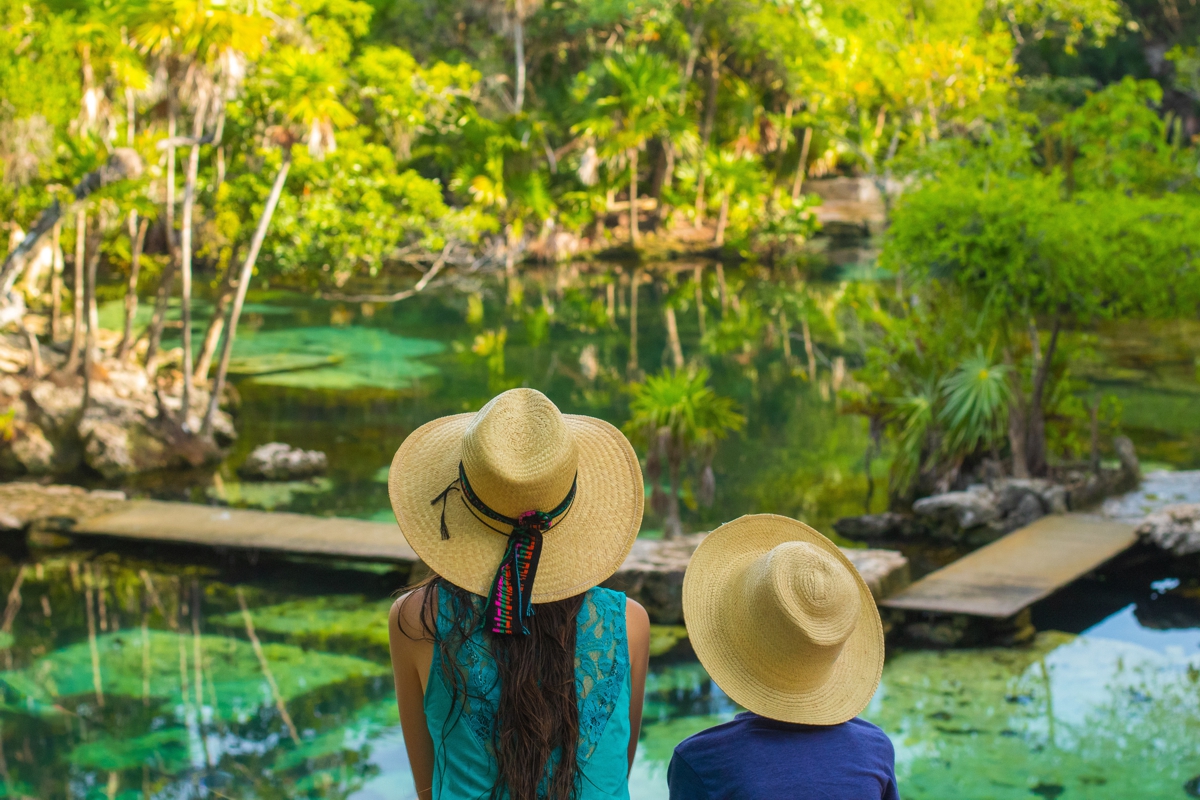
Beneath the jungle of Mexico’s Yucatán Peninsula lies a vast network of flooded limestone caves and sinkholes, and swimming in one is among the most magical things you can do on the coast. The cenotes of the Riviera Maya range from wide-open pools to cathedral-like caverns hung with stalactites, and each has its own character. This guide rounds up twelve of the best, with practical notes on fees, what to expect and how to visit responsibly.
What is a cenote?
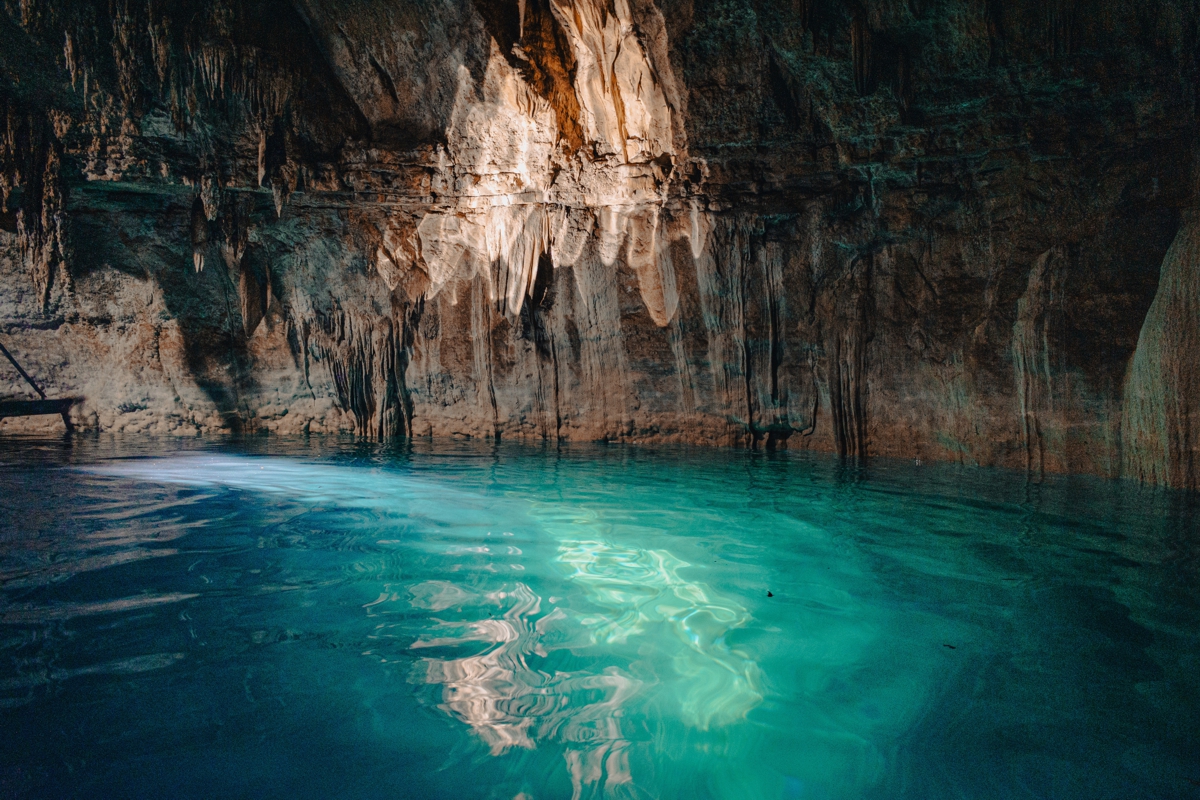
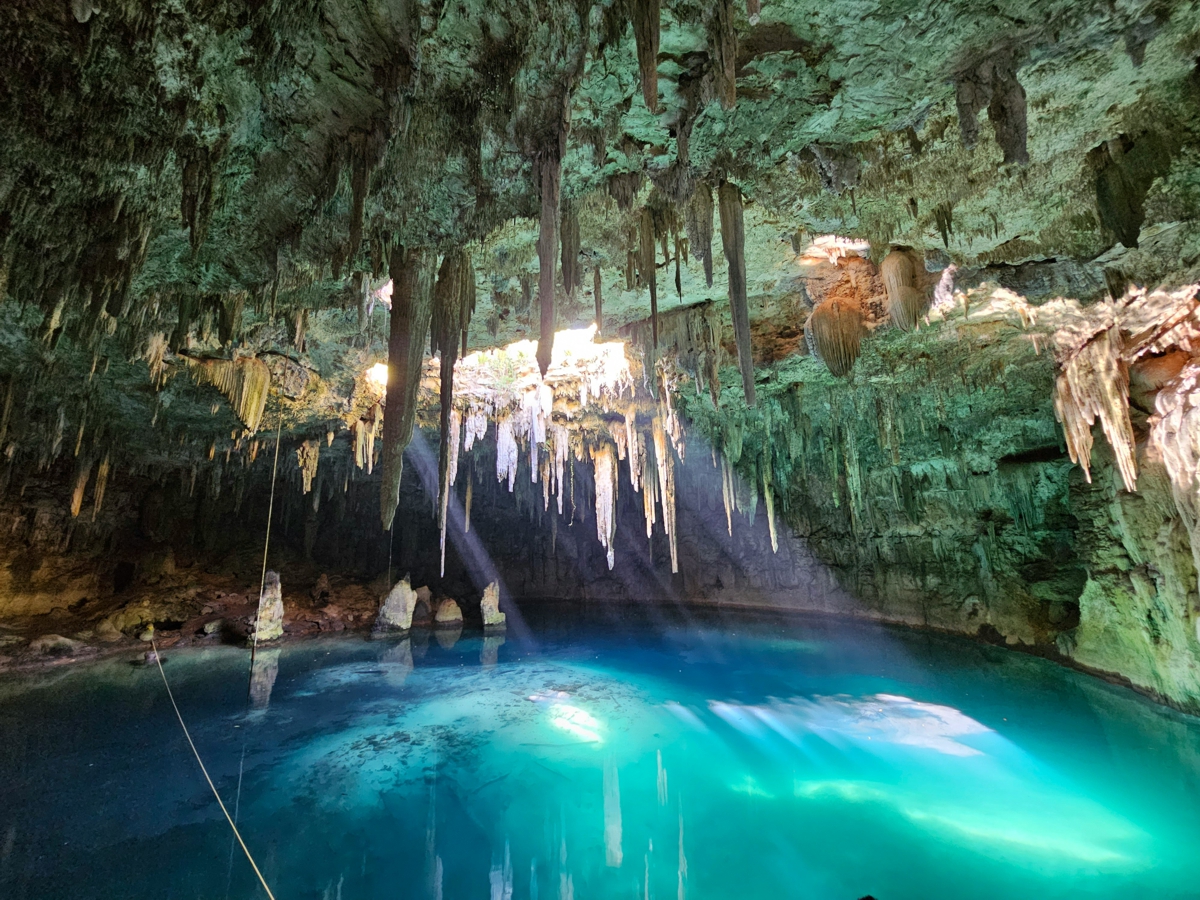
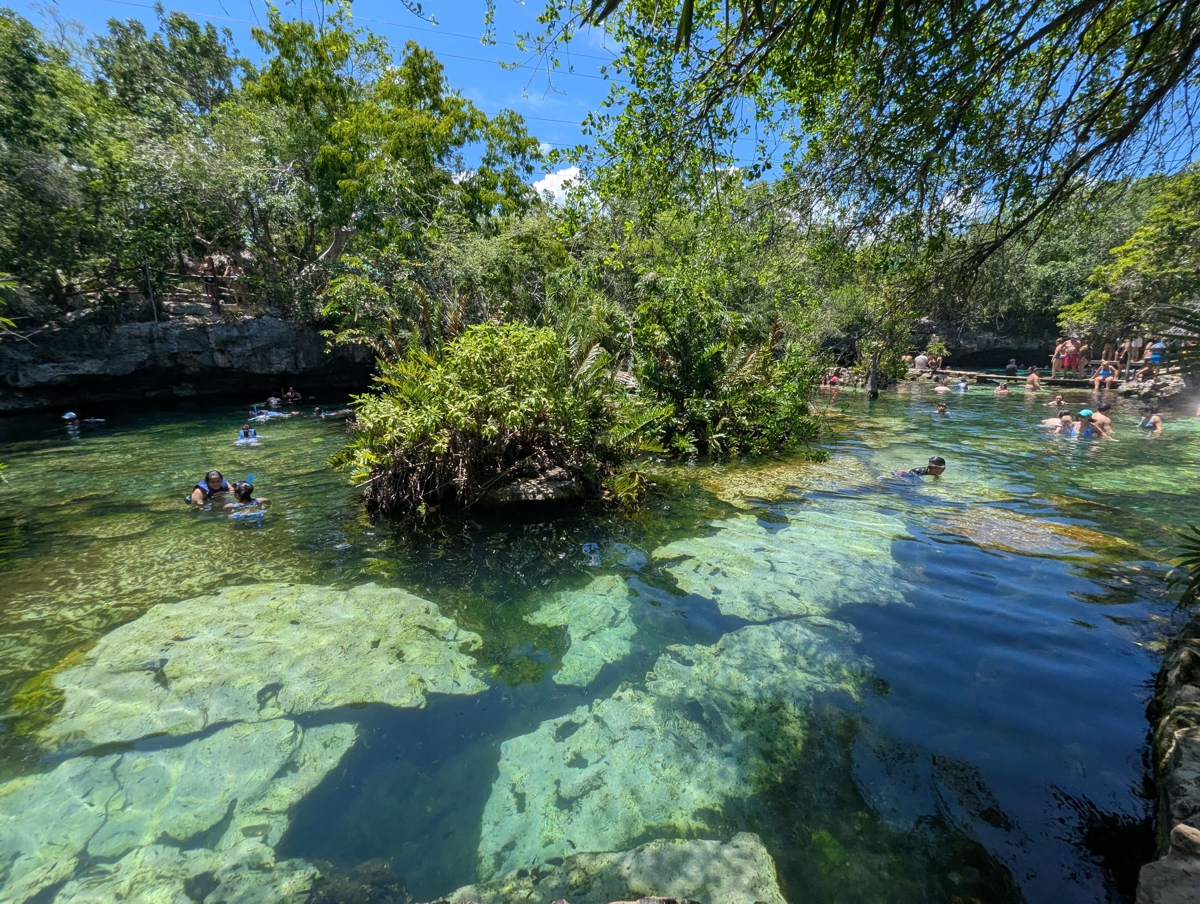
A cenote is a natural sinkhole formed when limestone bedrock collapses and exposes the groundwater beneath. The Maya considered them sacred, both as water sources and as gateways to the underworld. Today they are prized for crystal-clear, cool freshwater that offers a refreshing break from the Caribbean heat. Cenotes come in three broad types: open (like a pond), semi-open (partly covered), and cave cenotes (fully enclosed), each offering a different swimming and light experience.
Twelve of the best cenotes in the Riviera Maya
These are among the most rewarding, spread across the Tulum, Playa del Carmen and Valladolid areas.
Near Tulum
Gran Cenote is the area’s most famous, a beautiful open-and-cave pool with turtles and a connecting swim-through; entry runs around 500 pesos. Dos Ojos, “two eyes,” is a superb snorkelling and diving cenote with excellent visibility, with a snorkelling fee in the region of 350 to 550 pesos. Cenote Calavera, the “temple of doom,” is a compact cave you jump into through openings in the rock. Cenote Zacil-Ha is a family-friendly open pool with a small zipline.
Near Playa del Carmen and the highway
Cenote Azul is a shallow, open cenote ideal for families and casual swimmers. Cenote Cristalino sits beside it with a jumping platform. Cenote Chaak Tun near Playa is a dramatic cave system best seen with a guide. Rio Secreto is a semi-flooded cave river you explore on a guided walk-and-swim tour rather than a casual dip.
Toward Valladolid and Chichén Itzá
Cenote Suytun is famous for the stone platform and a shaft of light that photographs spectacularly. Cenote Ik Kil, near Chichén Itzá, is a deep circular sinkhole with hanging vines and an entry fee around 180 pesos. Cenote Oxman offers a rope swing and a lush setting. Cenote Zaci sits within Valladolid town itself, an easy stop with a partly covered pool.
Practical tips for visiting cenotes
Entrance fees vary widely, from under 100 pesos at smaller sites to around 500 pesos at the marquee cenotes, so carry cash in pesos. Arrive early to beat both crowds and tour buses; the light is often best mid-morning when the sun angles into open cenotes. Bring a towel, water shoes for slippery rock, and a change of clothes. Many cenotes rent snorkel gear and life jackets on site.
Protect the water
This matters more here than at the beach. You must shower before entering and use no sunscreen or bug spray, even “reef-safe” versions, because the cenotes are connected freshwater systems easily contaminated by chemicals. Apply any protection well before you arrive, or cover up with a rash guard instead. Respect ropes and guides, especially in cave cenotes.
How to fit cenotes into your trip
Cenotes pair naturally with the ruins and beaches of the region, and they feature prominently among the best things to do in Cancún and the Riviera Maya. Tulum makes the best base for the greatest concentration of them; our Tulum travel guide covers where to stay and how to get around, while our wider Cancún and Riviera Maya travel guide helps you balance cenotes with beaches and archaeology across a full trip.
Renting a car vs tours
You can reach many cenotes by organised tour, but renting a car unlocks the quieter ones and lets you arrive before the crowds. The main highways are good, and most cenotes have signposted parking. If you prefer not to drive, colectivo shared vans run along the Tulum–Playa corridor and pass several popular cenotes cheaply.
Cave, semi-open or open: choosing your cenote
With so many to pick from, the smartest approach is to choose by type rather than by name. Open cenotes, like Cenote Azul, feel like natural swimming pools ringed by jungle, with plenty of sunlight and easy access; they suit families and casual swimmers. Semi-open cenotes, partly roofed by rock, give you dramatic light shafts and a cooler, cave-mouth atmosphere while still feeling airy. Fully enclosed cave cenotes, such as parts of Dos Ojos, are the most otherworldly, lit by beams that pierce small openings and reflect off still water among stalactites.
Visiting two of different types in a single day gives you the fullest picture of what makes these sinkholes so special. A bright open pool in the morning and a shadowy cave in the afternoon are two entirely different experiences, and together they explain why cenotes, not just the beaches, are what many travellers remember most about the region.
Best time of day to go
Timing shapes the experience as much as the choice of cenote. Open and semi-open cenotes look their best mid-morning to early afternoon, when the sun angles directly into the water and lights it turquoise, and famous shafts of light at sites like Suytun appear only within a narrow window around midday. Crowds, meanwhile, peak from late morning as tour buses arrive, so the sweet spot is often right at opening, when you get both good light and quiet water.
Safety in the water
Cenotes are generally safe, but a few sensible habits help. Watch your footing on wet limestone, which is slick; water shoes earn their place here. In cave cenotes, stay with your guide and within lit or roped areas, as underwater passages can be deep and disorienting. Cave diving in particular is for certified specialists only, never something to improvise. For ordinary swimming and snorkelling, a life jacket, available to rent at most sites, adds an easy margin of comfort.
FAQ
How much does it cost to visit cenotes in the Riviera Maya?
Fees range from under 100 pesos at smaller cenotes to around 500 pesos at famous ones like Gran Cenote. Snorkel and diving sites such as Dos Ojos sit in between. Bring cash in pesos, as card payment is not always available.
Can you use sunscreen in a cenote?
No. Sunscreen and insect repellent, even reef-safe kinds, are banned because they contaminate the connected freshwater. Apply protection long before arriving, shower on site as required, or wear a rash guard instead.
Which is the best cenote near Tulum?
Gran Cenote is the most popular for its clear water, turtles and cave swim-through, while Dos Ojos is the standout for snorkelling and diving. Both are excellent; visiting more than one shows the range of cenote types.
Do I need to be able to swim?
It helps, but many cenotes have shallow areas and rent life jackets, so non-swimmers can still enjoy them. Cave cenotes and deeper sinkholes are better with a life jacket if you are not a confident swimmer.
Pick two or three cenotes of different types, go early, and treat the water with care. The Riviera Maya’s cenotes are a rare chance to swim through geology, and a little planning turns a quick dip into one of the highlights of the coast.