
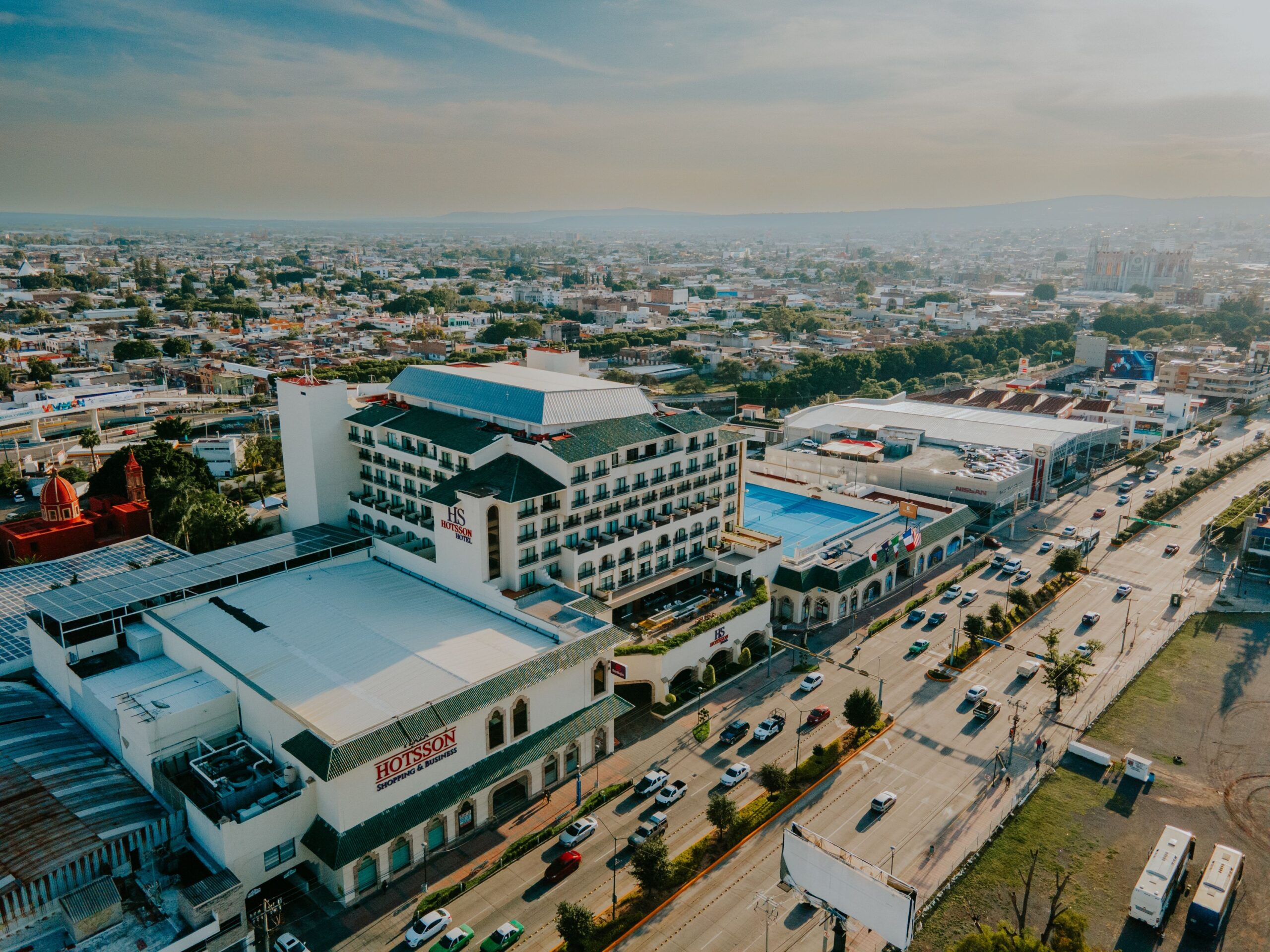
Mexico City is enormous — a metropolitan area of well over twenty million people spread across a high-altitude basin — and yet the part most visitors need is remarkably contained. Almost everything a first trip requires sits within a band running from the historic centre southwest through Roma and Condesa, and the neighbourhoods within that band are close enough together to walk between.
Deciding where to stay in Mexico City therefore comes down to choosing between three or four distinct characters rather than worrying about distance. The city calls its neighbourhoods colonias, and they have strong individual identities.
One thing to factor in before anything else: the city sits at around 2,240 metres. Most people feel the altitude for the first day or two, usually as mild breathlessness on stairs and a lower tolerance for alcohol.
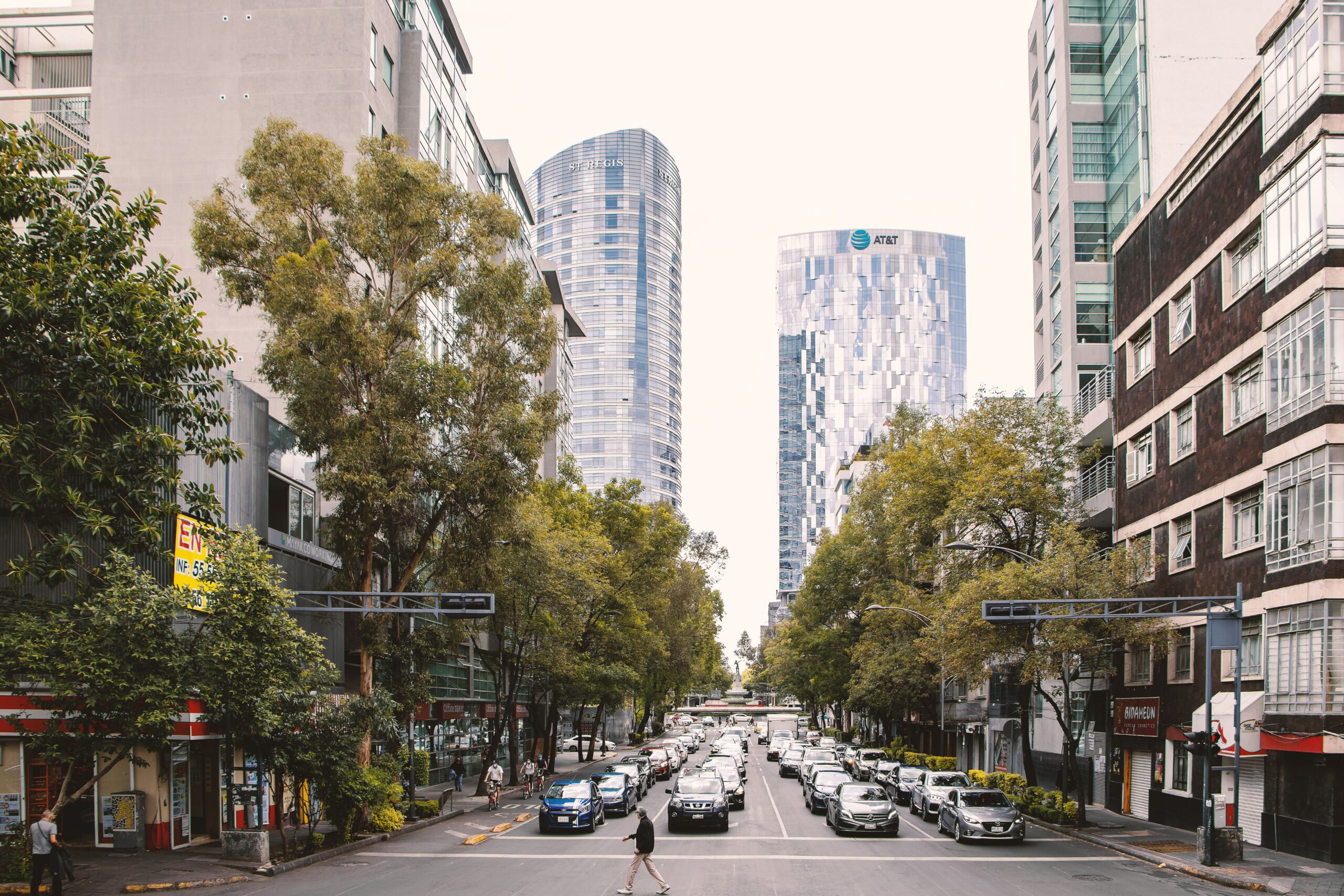
Roma Norte: the default recommendation
Roma Norte is where most first-time visitors should stay, and it has become the answer so often that it is worth explaining why rather than just asserting it.
The colonia was laid out in the early twentieth century with wide tree-lined streets, small parks and eclectic architecture — art nouveau, art deco, and porfirian mansions in various states of repair. It survived the 1985 earthquake unevenly, emptied out, and was gradually reoccupied by artists and then by restaurants, which is how it became the centre of the city’s food scene.
Practically: it is walkable, safe by the standards of any large city, dense with restaurants and cafés at every price point, and about fifteen minutes by taxi or metro from the historic centre. Plaza Río de Janeiro and Plaza Luis Cabrera are the two anchoring squares.
Accommodation is mostly boutique hotels in converted houses and apartment rentals. Large hotels are rare here.
Best for: first visits, food-focused trips, couples, walkers, anyone under fifty.
Condesa: greener and quieter
Condesa sits immediately southwest of Roma and shares much of its character, with a stronger residential feel and more green space. Parque México and Parque España are genuinely lovely, and the streets curve rather than grid because the area was built over a former racetrack.
It is slightly calmer than Roma, with a similar quality of restaurants and a heavy concentration of pavement cafés. Many people find it the more pleasant place to sleep and Roma the more interesting place to eat, which is convenient given they are adjacent.
Best for: longer stays, families, travellers who want quiet with the same access.
Centro Histórico: the sights
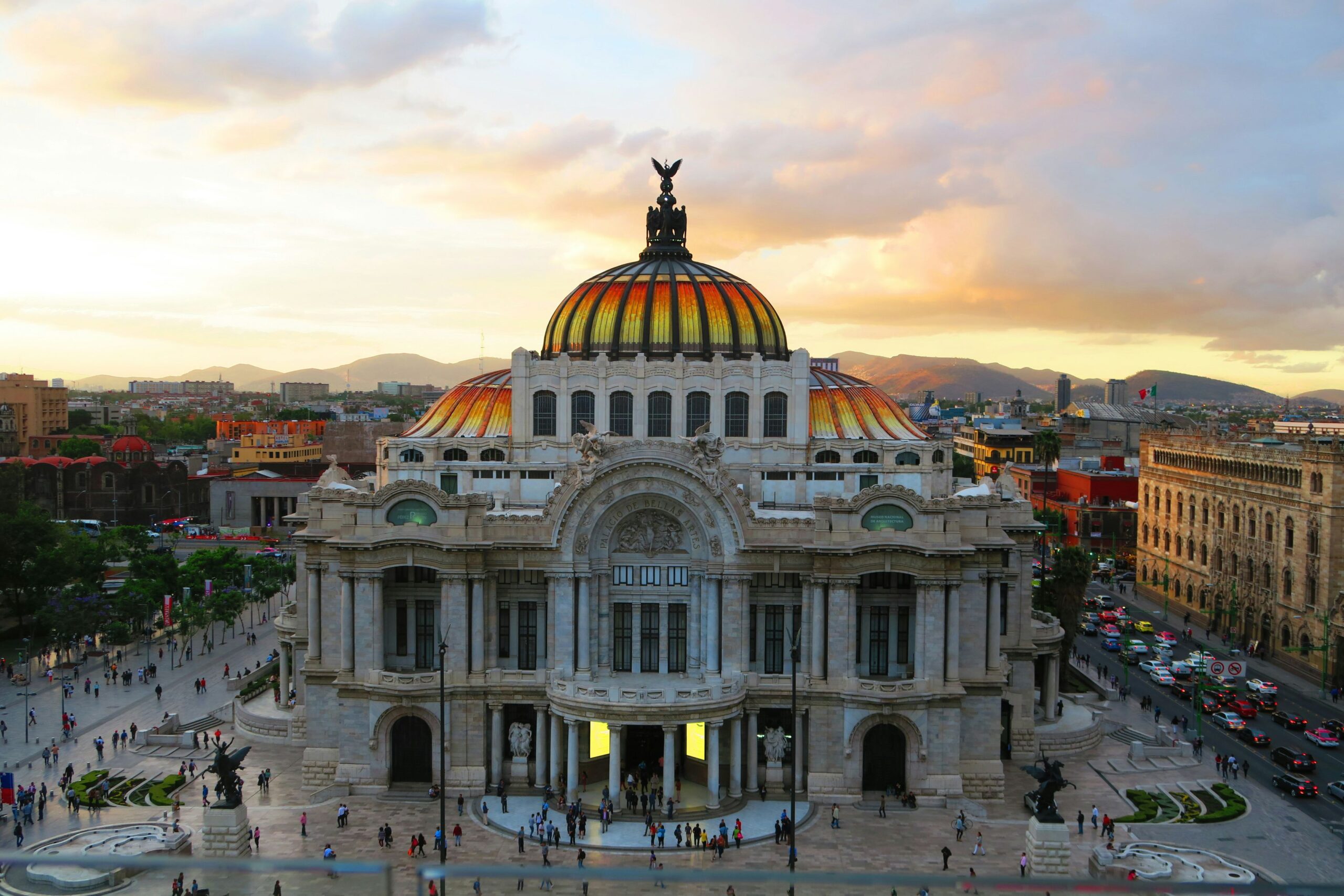
The historic centre is where the city’s density of monuments is highest — the Zócalo, the Metropolitan Cathedral, the Templo Mayor Aztec ruins, the Palacio de Bellas Artes, and a UNESCO-listed grid of colonial buildings.
It is extraordinary to walk around during the day and much quieter at night, when the offices and shops close and parts of it empty out. The eastern side beyond the Zócalo is rougher and worth being deliberate about after dark.
Accommodation includes several historic hotels with rooftop terraces overlooking the cathedral, which are among the best views in the city, alongside a supply of budget options.
Best for: short trips focused on sightseeing, budget travellers, architecture enthusiasts.
Polanco: upmarket and international
Polanco is the city’s luxury district — international designer retail along Avenida Presidente Masaryk, the major five-star hotels, and several of the country’s most celebrated restaurants.
It also has the best museum cluster in the city on its doorstep: the Museo Nacional de Antropología, the Museo Tamayo and the Museo Soumaya are all here or immediately adjacent, and Chapultepec park separates Polanco from Condesa.
The atmosphere is corporate and residential rather than characterful, and it is more expensive than anywhere else in the city.
Best for: business travel, luxury stays, families wanting international-standard hotels, museum-focused trips.
Coyoacán and San Ángel: the southern colonial towns
Coyoacán was an independent town absorbed by the city as it grew, and it still feels like one — cobbled streets, a central plaza with a church and market, and the Frida Kahlo Museum in the blue house where she lived.
San Ángel nearby is similar, with a Saturday art market and colonial architecture.
Both are genuinely charming and both are a long way south — 30 to 45 minutes from the centre depending on traffic, which in Mexico City is a serious variable. Staying here means committing to that commute daily.
Best for: repeat visitors, longer stays, travellers who want quiet and colonial atmosphere over convenience.
Juárez and Cuauhtémoc
Between Roma and the historic centre, these two colonias sit along Paseo de la Reforma, the city’s grand boulevard. Juárez includes the Zona Rosa, a nightlife district with a large LGBTQ+ scene, and has been improving steadily.
The location is genuinely central — walking distance to Reforma’s monuments, a short walk to Roma, and close to the metro. Rates are often better than Roma or Condesa for a similar level of access.
Best for: value with a central location, nightlife, travellers who want to walk to both Roma and the centre.
Neighbourhoods most visitors miss
Once you move past the standard four, the city opens up considerably — and the rates fall.
Santa María la Ribera, north of the centre, is a late-nineteenth-century colonia built around the Kiosco Morisco, an ornate Moorish-revival pavilion brought back from a world’s fair. It has been quietly gentrifying without losing its residential character, and it is one of the better-value central neighbourhoods.
San Rafael, adjacent, is similar — old theatres, faded grandeur, cheap food, and a fifteen-minute walk to Reforma.
Escandón, between Condesa and the west, offers Condesa-adjacent access at meaningfully lower prices and is increasingly popular with longer-stay visitors.
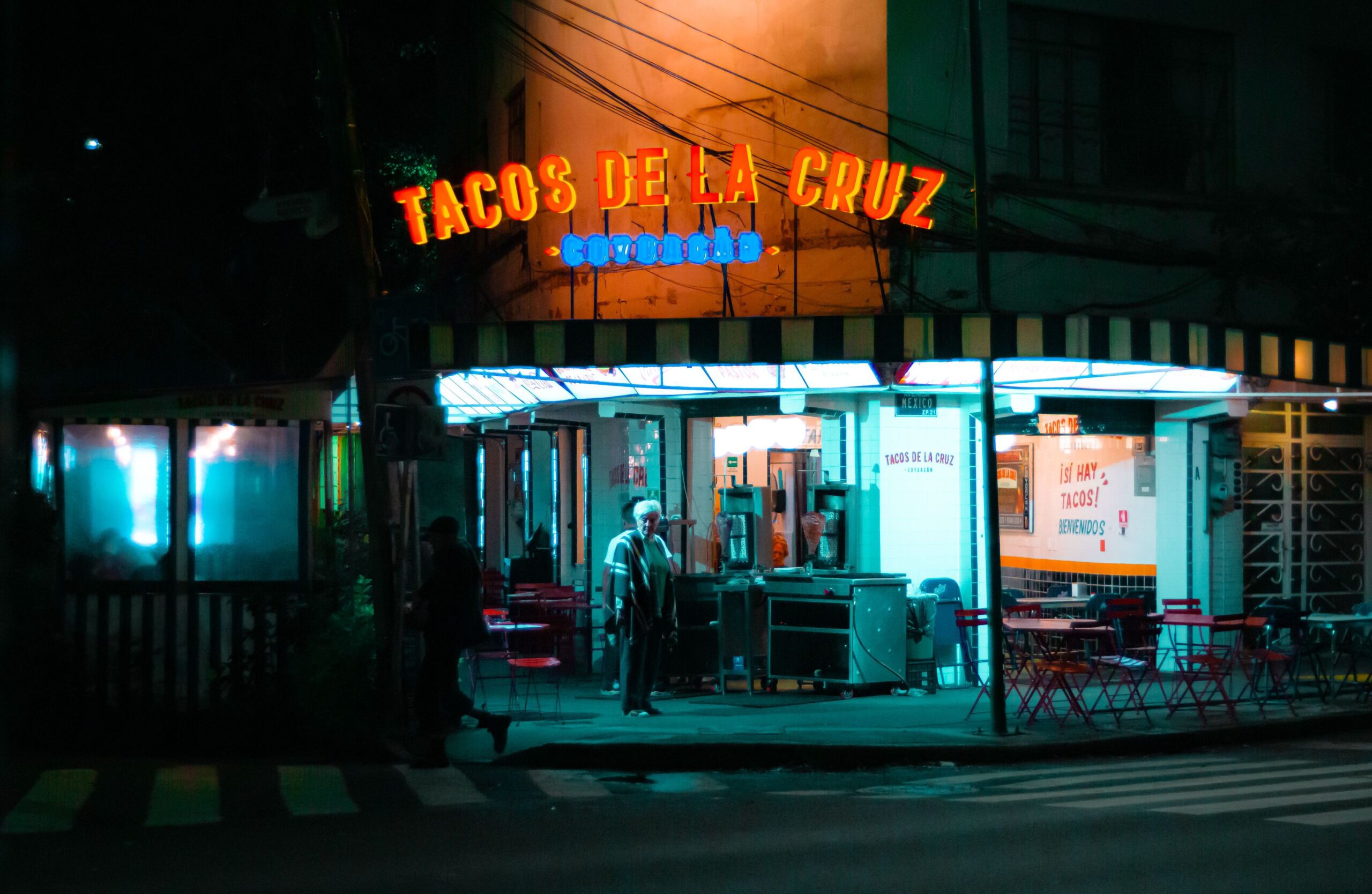
Del Valle and Narvarte, south of Roma, are middle-class residential colonias with excellent and inexpensive food — Narvarte in particular has a strong taqueria culture — and almost no tourism. Both are well connected by metro.
Nápoles, further south near the World Trade Center, is quiet, functional and close to the Polyforum and the Sunday market at San Juan.
Getting around from your base
Mexico City’s transport is better than its traffic reputation suggests, provided you use the right piece of it.
The metro is extensive, extremely cheap and fast, and it is the only reliable way to cross the city at peak hours. It is also very crowded, and pickpocketing is common in the busiest carriages. Front carriages on many lines are reserved for women and children during peak periods.
The Metrobús runs in dedicated lanes along Insurgentes and several other corridors, and is often more pleasant than the metro for north–south journeys. It uses the same rechargeable card.
Ride-hailing apps are widely used, cheap by international standards, and the default for most visitors in the evening. They are also safer than hailing a taxi on the street, which is not recommended.
Ecobici, the public bike share, works well in Roma, Condesa, Juárez and Polanco, which are flat and have protected lanes on several main streets. On Sundays a long stretch of Paseo de la Reforma closes to cars for cyclists.
Walking covers more than people expect. Roma to Condesa is ten minutes, Roma to the Centro about forty, and Condesa to Chapultepec fifteen.
How long to stay
Four days covers the essentials without rushing: the historic centre, the anthropology museum, Coyoacán and the Frida Kahlo house, Teotihuacán as a day trip, and time to eat properly in Roma and Condesa.
A week lets you add Xochimilco, the Museo Soumaya, a lucha libre night, the Sunday cycling on Reforma, and a slower pace generally — which suits the city, since a large part of its appeal is sitting in a café or a cantina rather than working through a list.
There is no real case for splitting your stay. Everything is reachable from a single base in the Roma–Condesa band, and the time lost to changing hotels in this traffic is not worth recovering.
What kind of accommodation to look for
Mexico City’s supply is unusual in that the most interesting places to stay are rarely the biggest.
Boutique hotels in converted houses are the signature offering, concentrated in Roma and Condesa. Typically ten to thirty rooms in an early-twentieth-century building, often with a courtyard, a rooftop and a good in-house restaurant. This is where the city’s design reputation lives.
Historic hotels in the Centro occupy colonial buildings around the Zócalo, several with rooftop terraces facing the cathedral. The rooms are frequently ordinary; the views and the location are the reason to book.
International chains cluster in Polanco and along Reforma, and deliver predictability, larger rooms and full facilities. They are the sensible choice for business travel and for families who want a pool.
Apartment rentals are abundant, particularly in Roma, Condesa and Escandón, and represent good value beyond a few nights. Be aware that this is a live local issue — the influx of remote workers has pushed rents up sharply in these colonias and the city has been discussing regulation.
Hostels are concentrated in the Centro and Roma, and the standard is high, with several offering private rooms alongside dorms.
Practical notes
- Altitude affects the first day or two. Drink water, go easy on alcohol initially, and do not plan a strenuous first morning.
- Safety follows the usual big-city rules and varies sharply by neighbourhood and time. Roma, Condesa, Polanco, Juárez and the Centro during the day are all fine with normal awareness. Use registered taxis or ride-hailing apps rather than hailing on the street, and be deliberate about the Centro’s eastern edge and the area around Tepito.
- Traffic is severe. A journey that looks short can take 45 minutes at the wrong hour. The metro is cheap, extensive and fast, though very crowded at peak times; some cars are reserved for women and children.
- Earthquake awareness is normal here. Buildings display evacuation routes and the city has a public alert system. Hotels will explain the procedure.
- The rainy season runs roughly May to October, usually as heavy afternoon storms rather than all-day rain. The dry season from November to April is the most reliable, and March and April are the warmest.
- Day of the Dead at the start of November is the single busiest tourist period, and accommodation should be booked months ahead.
- Airport transfers: Benito Juárez airport is east of the centre, around 30–45 minutes from Roma and Condesa depending on traffic. Authorised airport taxis and ride-hailing both work.
What accommodation costs
Mexico City is excellent value by international standards, and the mid-range is where that shows most clearly. A well-designed boutique hotel in a converted Roma Norte house costs a fraction of an equivalent property in a North American or European city.
Polanco is the most expensive district by a clear margin. Roma and Condesa sit in the middle and have risen substantially over the past decade, driven in part by remote workers. The Centro Histórico and Juárez are cheaper again, and neighbourhoods further out drop sharply — see the best budget hotels in Mexico City for options.
Apartment rentals are widespread and often the best value for stays over four or five nights, though the city has been debating regulation of short-term lets in response to rising rents in Roma and Condesa.
Choosing by trip type
- First visit, 4 days: Roma Norte or Condesa. Our 4-day Mexico City itinerary assumes a base in this area.
- Sightseeing-focused short trip: Centro Histórico.
- Food and going out: Roma Norte.
- Families: Condesa or Polanco.
- Luxury: Polanco.
- Budget: Centro Histórico or Juárez.
- Longer stay or remote work: Condesa, Roma Sur or Del Valle.
- Repeat visitors: Coyoacán, San Rafael or Santa María la Ribera.
The full Mexico City travel guide covers transport, museums and day trips to Teotihuacán and beyond.
FAQ
What is the best neighbourhood to stay in Mexico City?
Roma Norte for most first-time visitors — walkable, safe, full of restaurants, and close to both the historic centre and Chapultepec park. Condesa next door is a quieter alternative with the same access.
Is it safe to stay in Mexico City?
The neighbourhoods visitors typically use — Roma, Condesa, Polanco, Juárez and the Centro during the day — are safe with normal urban precautions. Use ride-hailing apps or registered taxis rather than hailing on the street, and avoid displaying valuables on the metro.
Should you stay in the historic centre or Roma?
The Centro puts you among the monuments and is cheaper, but empties at night. Roma has far better restaurants and a more comfortable residential atmosphere, and the Centro is fifteen minutes away. For stays longer than two nights, Roma usually wins.
How does the altitude affect visitors?
Mexico City sits at about 2,240 metres, and most people notice mild breathlessness and reduced alcohol tolerance for the first day or two. Drinking water, resting on arrival and easing into the first day resolves it for most travellers.
Recent Comments