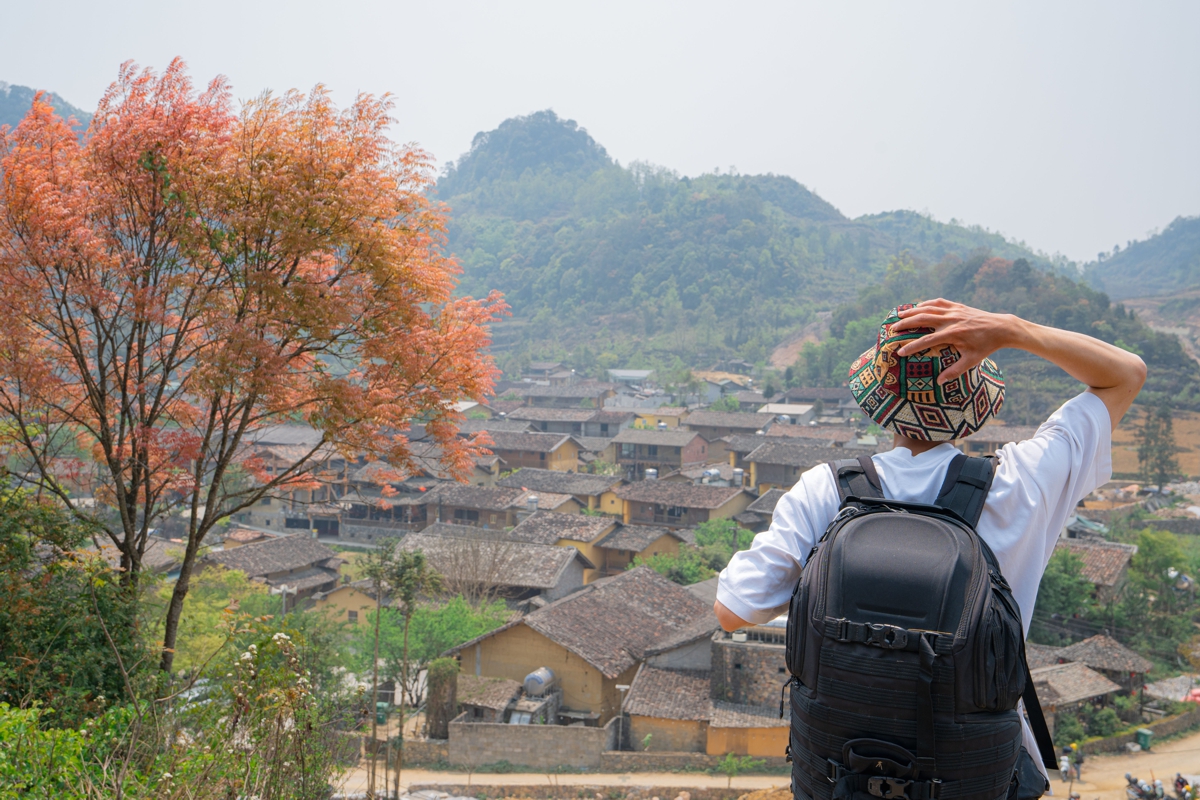
Not long ago, travelling alone carried a faint air of pity, as if you simply could not find anyone to come with you. That has flipped completely. The solo travel trend is now one of the strongest currents in the industry, with more people than ever choosing to go alone by design rather than default. They are not lonely holdouts; they are travellers who have discovered that a trip on your own terms can be the best kind there is.
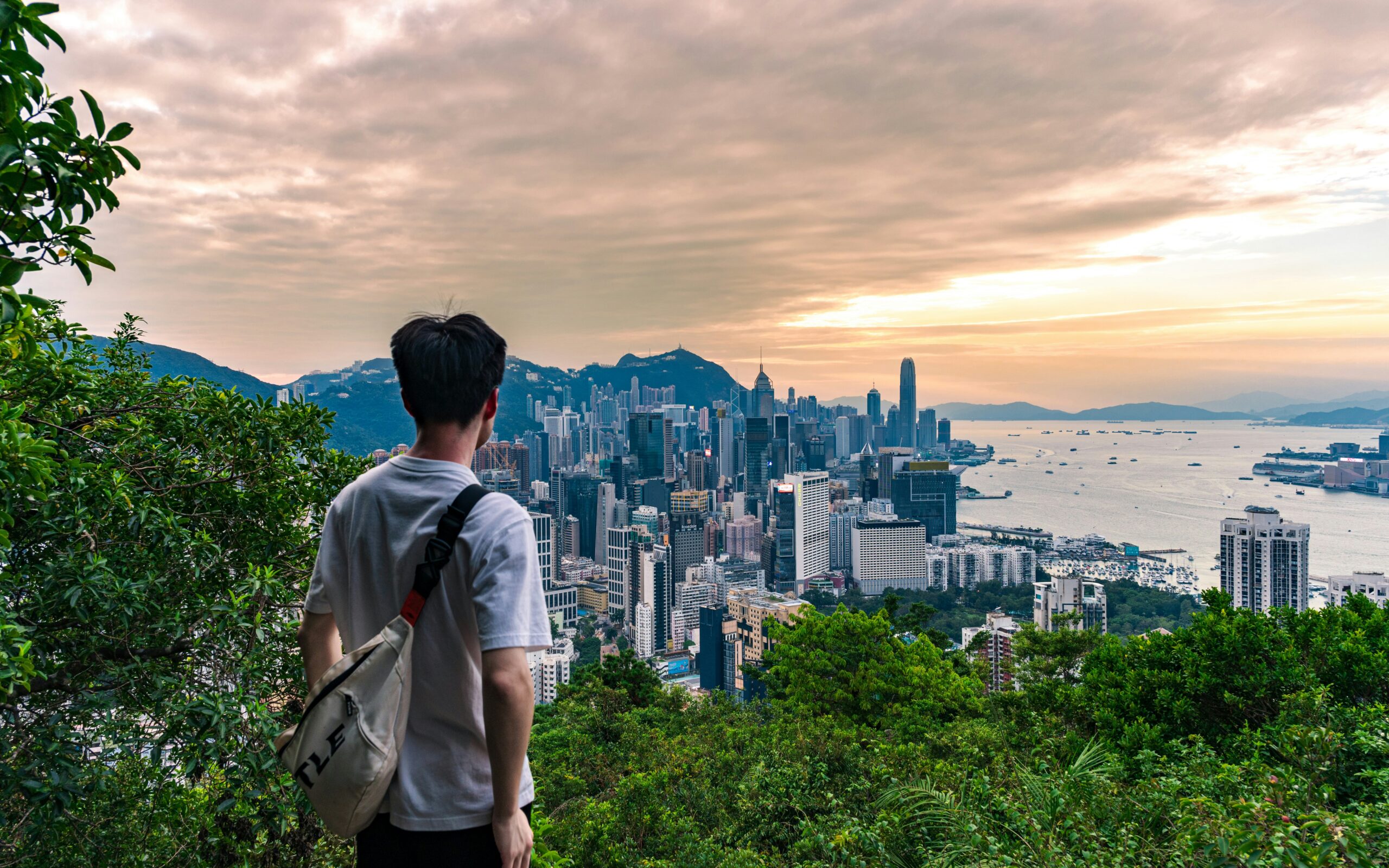
Why the solo travel trend is booming
Several shifts came together at once. People are marrying later or not at all, so waiting for a partner to travel makes less sense. Remote work untethered people from fixed schedules. Social media made solo travellers visible, turning what looked like an outlier choice into an aspirational one. And the practical tools got dramatically better, from apps that connect solo travellers to accommodation designed around people arriving alone.
Underneath all of it is a simple realisation: when you travel alone, the trip is entirely yours. You wake when you want, change plans on a whim, linger at the thing that fascinates you, and skip the thing that bores you. No negotiation, no compromise, no waiting. For many people that freedom is addictive.
What people actually gain
Solo travellers consistently report the same rewards: sharper confidence, faster problem-solving, and a strange kind of clarity that comes from relying only on yourself. You also tend to meet more people. When you are not sealed inside a travel group, locals and other travellers approach you, and conversations happen that never would with a companion at your side.
Getting started without the fear
The biggest barrier is rarely logistics; it is nerves. The trick is to lower the stakes on your first trip. Pick a destination that is easy to navigate, has good public transport, and where you speak at least a little of the language or English is widely used. Build in structure for the first day or two, then let the trip open up. Our guide to solo travel for beginners walks through choosing that first destination and easing in, which takes a lot of the guesswork out of the leap.
Safety, honestly
Solo travel is safe for most people in most places, but it rewards preparation. Share your itinerary with someone at home, keep copies of key documents, trust your instincts about people and neighbourhoods, and avoid arriving somewhere new after dark on your first night. These habits are not about fear; they are what let you relax once you are on the ground. Safety concerns weigh differently for women travelling alone, and our dedicated guide to solo female travel safety covers practical tips that actually help without wrapping the whole experience in anxiety.

The practical upsides and trade-offs
Going alone is not all freedom and epiphanies. There are real trade-offs worth naming so you can plan around them.
- Cost. Single supplements and splitting nothing make solo travel pricier per person. Hostels, guesthouses, and dorm-free private rooms help.
- Logistics. There is no one to watch your bag or split driving. Small annoyances add up, so pack light and stay organised.
- Low moments. Everyone has a lonely evening or two. Group tours, cooking classes, and social hostels are easy antidotes.
- Decision fatigue. Every choice is yours. Loose routines take the pressure off without killing spontaneity.
You are rarely truly alone
One of the quiet truths of the solo travel trend is that solo rarely means isolated. Day tours, walking tours, hostels, and nomad hubs are full of people in exactly the same position, and connections form fast. You can spend a morning entirely by yourself and share dinner with three strangers you will remember for years. The balance is yours to set, which is the whole point.
Smaller, less-visited capitals are increasingly popular with solo travellers. Skopje is a good example, and this guide to staying safe in Skopje covers what to expect.
Where the trend goes next
Expect the industry to keep bending toward solo travellers: more single-friendly pricing, more accommodation built for people arriving alone, and more experiences designed to connect them. The stigma is gone, the tools are here, and a generation has learned that you do not need company to have the trip of your life. If you have been waiting for someone to go with you, the trend has a simple message: stop waiting.
Packing and preparing for a solo trip
Travelling alone changes how you pack, because there is no one to lend you a charger or watch your bag. Pack light enough to carry everything yourself up stairs and onto trains, since no one else will help. Keep essentials, passport, cards, phone, spread across more than one place, so losing a single bag does not strand you. A portable charger matters more when your phone is your map, translator, and lifeline all at once.
Preparation is also mental. Book your first night or two in advance so you are not searching for a bed while jet-lagged and disoriented. Learn a handful of local phrases; even a clumsy greeting opens doors and softens interactions. Download offline maps and a translation app before you land. These small steps do not remove the adventure, they just stop the avoidable stress from crowding it out.
Eating alone and enjoying it
The single most common anxiety new solo travellers name is eating in a restaurant by themselves. It feels exposing at first and stops mattering almost immediately. Bring a book, sit at the bar or a counter where solo diners are normal, or choose lively casual spots over formal dining rooms. Many travellers come to treasure the solo meal as a quiet highlight of the day, a chance to people-watch, journal, and taste a place without conversation to distract from it. What feels awkward on day one becomes a small ritual by day three.
Staying connected with home
Travelling solo does not mean going off the grid, and a light touch of connection makes the whole trip safer and more comfortable. Share your rough itinerary and accommodation details with someone you trust, and check in with them at regular intervals so someone always knows roughly where you are. A local SIM or an eSIM keeps you online for maps, translation, and calls without hunting for Wi-Fi. That said, resist the urge to be permanently glued to your phone reporting every moment home; part of the value of solo travel is the space to be fully present somewhere without narrating it. Strike a balance, enough contact that you feel secure and your people are reassured, but not so much that you never actually leave home in your head. The best solo trips have you looking outward at the place you came to see, not down at a screen.
FAQ
Is solo travel safe?
For most people in most destinations, yes, especially with basic precautions like sharing your itinerary, staying aware of your surroundings, and not arriving somewhere new late at night. Research your specific destination before you go.
Is it more expensive to travel alone?
Often slightly, because of single-room supplements and no one to split costs with. Choosing guesthouses, hostels, and destinations with cheap public transport keeps a solo budget reasonable.
Will I be lonely?
You might have the odd quiet evening, but solo travel is surprisingly social. Tours, classes, and social accommodation make it easy to meet others whenever you want company.
What is a good first solo destination?
Somewhere easy to navigate with good transport and a well-trodden traveller path. Confidence-building matters more than ambition on a first trip, so favour ease over adventure.