
On 17 March, Dublin becomes the spiritual home of a holiday celebrated around the world. But St Patrick’s Day in Dublin is not quite the green-beer free-for-all that overseas parties might lead you to expect. It is a multi-day national festival with a huge street parade, cultural events, music, and a genuinely family-friendly daytime atmosphere, followed by lively evenings in the pubs. This guide covers what the day is really like, when the festival runs, where to watch the parade, and how to plan a trip around it.
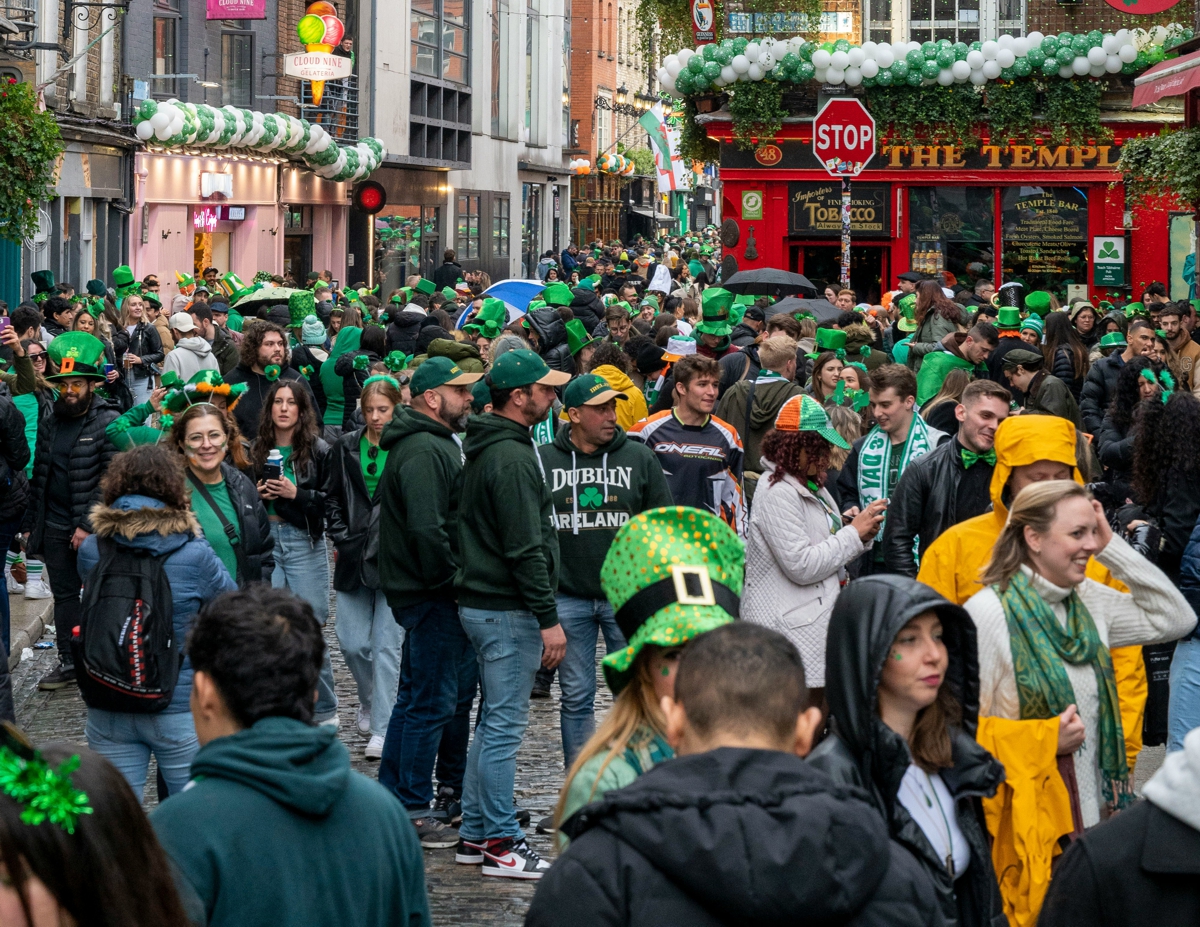
What St Patrick’s Day in Dublin is really like
St Patrick’s Day marks the feast day of Ireland’s patron saint, and in Dublin it has grown from a religious observance into the centrepiece of a several-day festival that fills the capital. The daytime is surprisingly wholesome: families line the parade route, children wave flags, and the mood is celebratory rather than raucous. The parade itself is a large, colourful production with marching bands, pageant companies, giant puppets, and community groups, drawing hundreds of thousands of spectators to the city centre.
The evening is when the pubs take over. Temple Bar and the areas around it get packed and pricey, and the atmosphere is fun but touristy; locals often drink in quieter neighbourhood pubs with better music and value. The clichés, plastic leprechaun hats, rivers dyed green, are more an export than an Irish tradition, so expect the real thing to be warmer and more grounded than the stereotype.
When the festival takes place
St Patrick’s Day is always 17 March, and the parade runs on that date. Around it, the St Patrick’s Festival stages several days of events, typically spanning roughly the surrounding long weekend with concerts, walking tours, film, and family activities across the city. Because 17 March is fixed, planning is easy, though the date’s proximity to a weekend varies year to year and affects how busy the city gets. March is a fine time to visit Europe before the high season; see our guide to where to travel in March for the wider picture.
Where to watch the parade
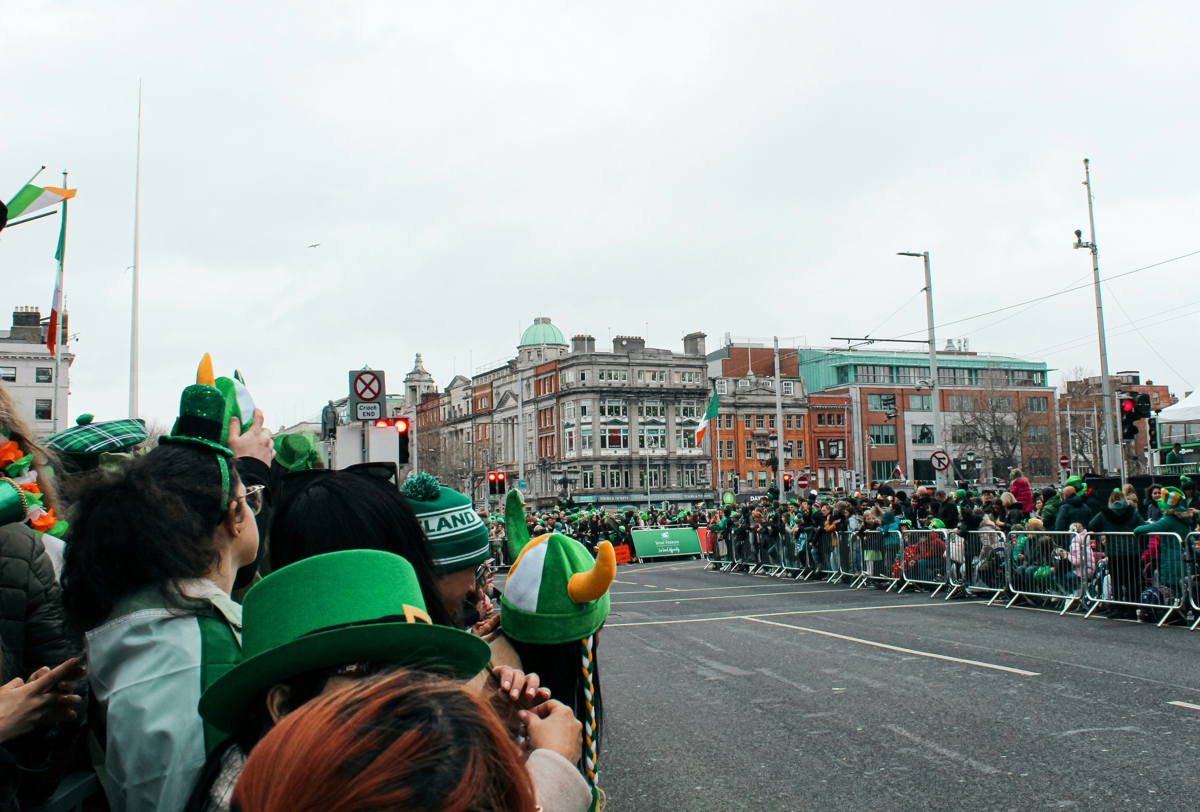
The parade follows a set route through the city centre, and the crowds are enormous, so position matters. Arriving well before the start to claim a spot along the barriers is essential, especially near the start of the route or at wider stretches where you can see more. Paid grandstand seating is usually sold for those who want a guaranteed view without the early scrum. If you prefer a calmer experience, watching from a cafe or an upper-floor spot with a view of the route can be a comfortable alternative, and some venues sell viewing packages.
Dress warmly and waterproof, because mid-March in Dublin is cold and often wet, and you will be standing outdoors for hours. Bring the kids if you have them; the daytime parade is designed with families in mind.
Beyond the parade
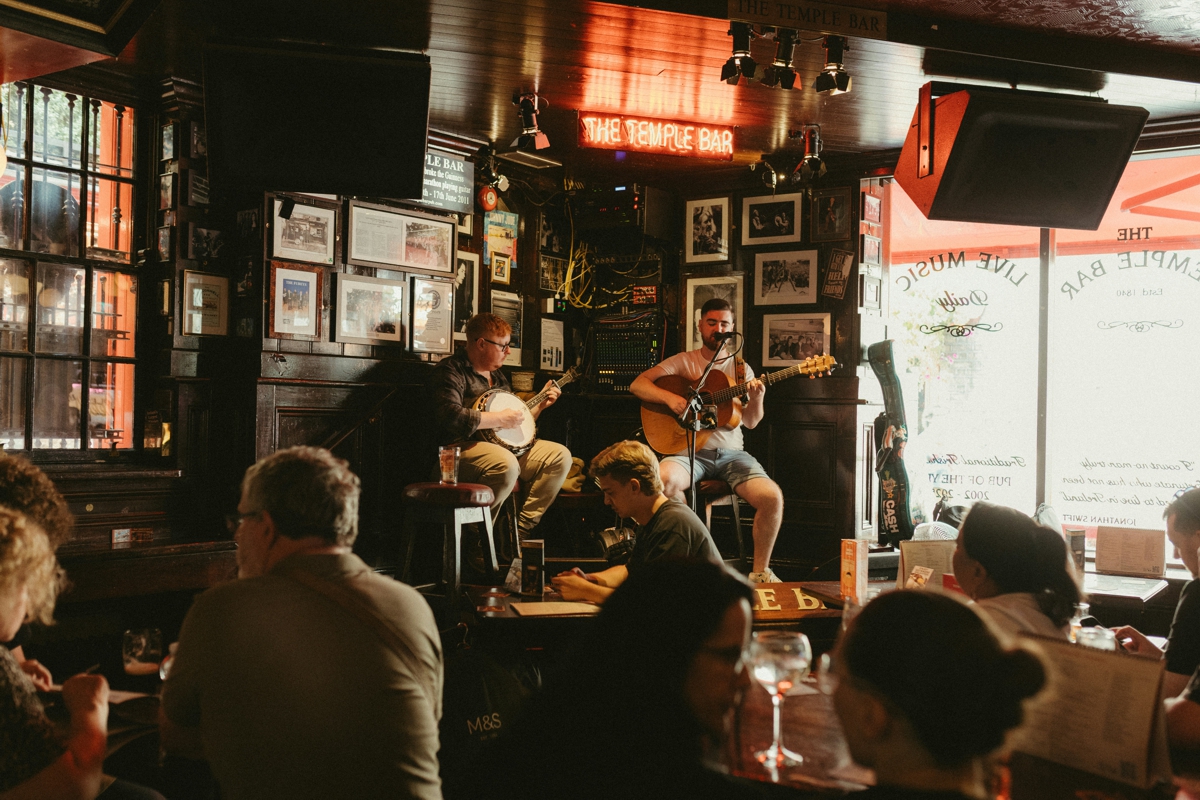
The festival programme rewards those who look beyond the main event. Free and ticketed concerts, historical walking tours, comedy, and light installations run over the festival days, and cultural sites such as the old libraries, museums, and the Guinness Storehouse make good additions. Take time for a proper traditional music session in a neighbourhood pub, which is where you will hear the real thing rather than a tourist-facing show. A day trip out to the coast or countryside is easy and offers a green contrast to the city crowds.
Dublin also slots neatly into a longer European journey. If you are combining it with other cities, our two-week Europe itinerary shows how to link the trip together, and for another city that builds its identity around events, our look at the Budapest festival scene makes an interesting comparison in how a capital programmes its year.
Practical tips
Book accommodation early, as Dublin fills and prices spike around the holiday, and the city centre sells out first. Expect road closures and packed public transport on parade day, so plan to walk and allow extra time. Carry cash for smaller pubs and vendors. Pace your drinking, since the day is long and the pubs are heaving; the neighbourhood spots away from Temple Bar generally offer better value and atmosphere. And treat the parade as the anchor of a broader few days rather than the only reason to come, so weather or crowds on the day itself do not make or break the trip.
The history and meaning behind the day
St Patrick’s Day commemorates Saint Patrick, the fifth-century missionary credited with bringing Christianity to Ireland, and his feast day has been marked on 17 March for centuries. The shamrock is tied to him by legend, said to have been used to explain the Holy Trinity, which is why the three-leaved plant, not the four-leaf clover, is the true symbol of the day. For much of its history the occasion was a solemn religious holiday in Ireland, with pubs once closed by law, a striking contrast to its modern image abroad.
The large-scale parades that now define the day actually took root among the Irish diaspora, particularly in North American cities, before Dublin embraced the festival format in the mid-1990s to celebrate Irish culture and draw visitors. That history explains the slight disconnect travellers sometimes feel: the boisterous, green-everything version is largely an export that Ireland has since adopted and adapted. Knowing this helps you appreciate both sides, the genuine cultural pride of the festival programme and the imported spectacle of the parade, without expecting one to be the other.
The greening of landmarks is another modern flourish worth understanding. Tourism Ireland runs a global campaign each year that lights buildings and natural wonders around the world in green for the occasion, from famous towers to waterfalls, and Dublin joins in by illuminating its own landmarks. It is a marketing tradition rather than an ancient one, but it has become a genuinely enjoyable part of the celebration, and an evening walk to see the city’s bridges and buildings glowing green is a pleasant, free way to round off a day at the parade. Pair it with a warming meal of Irish stew or coddle and a pint in a snug neighbourhood pub, and you have the fuller, more grounded version of the holiday that visitors often remember more fondly than the crush of the main strip.
FAQ
When is St Patrick’s Day in Dublin?
It is always 17 March, when the main parade takes place. The wider St Patrick’s Festival runs for several days around that date, typically spanning the surrounding long weekend with concerts, tours, and family events.
Is St Patrick’s Day in Dublin family-friendly?
Yes, during the day. The parade and daytime festival events are designed for families, with a wholesome, celebratory atmosphere. The evenings in the busy pub districts are livelier and better suited to adults.
Where is the best place to watch the parade?
Along the barriers near the start of the route or at wider stretches, arriving well before it begins. Paid grandstand seats offer a guaranteed view, and some cafes and venues along the route sell viewing packages.
Should I drink in Temple Bar?
Temple Bar is fun but crowded and expensive on the day. Many locals prefer quieter neighbourhood pubs with better traditional music and value. It is worth exploring beyond the main tourist strip for a more authentic evening.