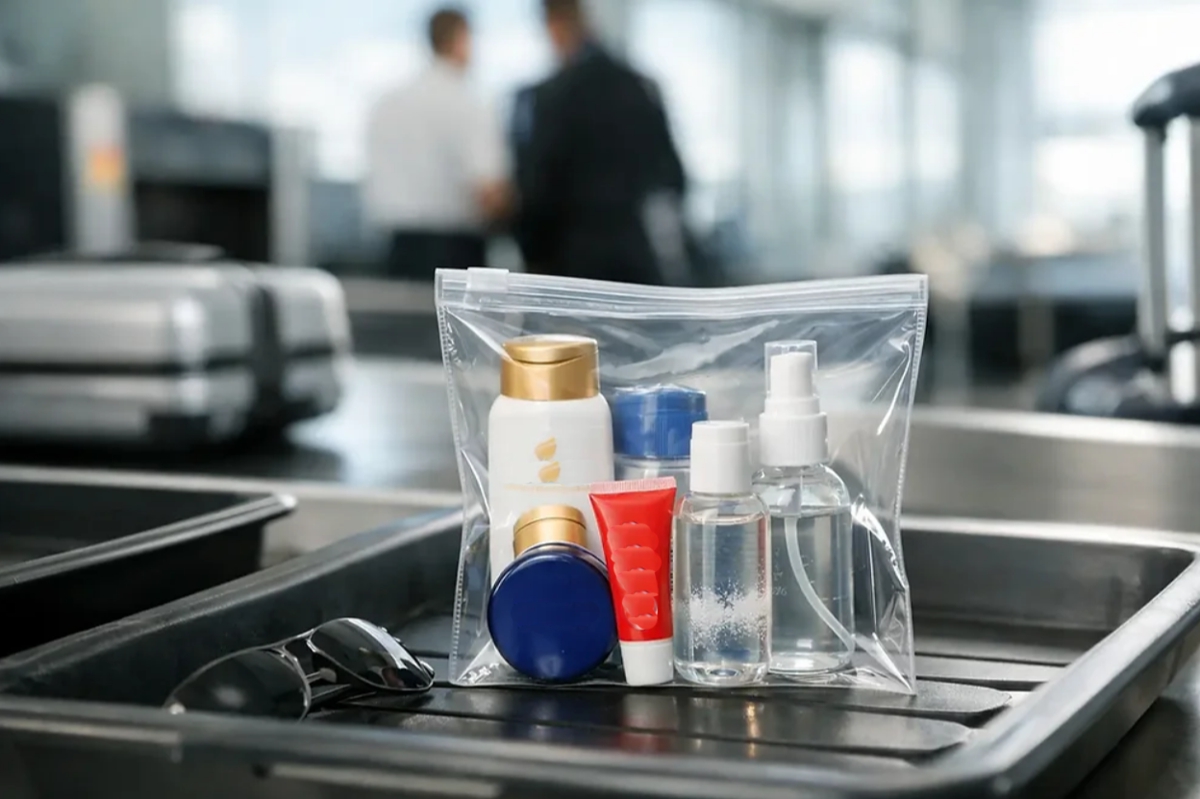
Few things trip up travelers at airport security more than liquids, and understanding the TSA liquid rules before you pack saves you from surrendering a favorite product at the checkpoint. The core policy is simpler than it seems, but the exceptions and edge cases — what counts as a liquid, what is exempt, how to handle medication — are where people get caught. This guide explains the rules and shows you how to pack toiletries so screening is quick and painless.
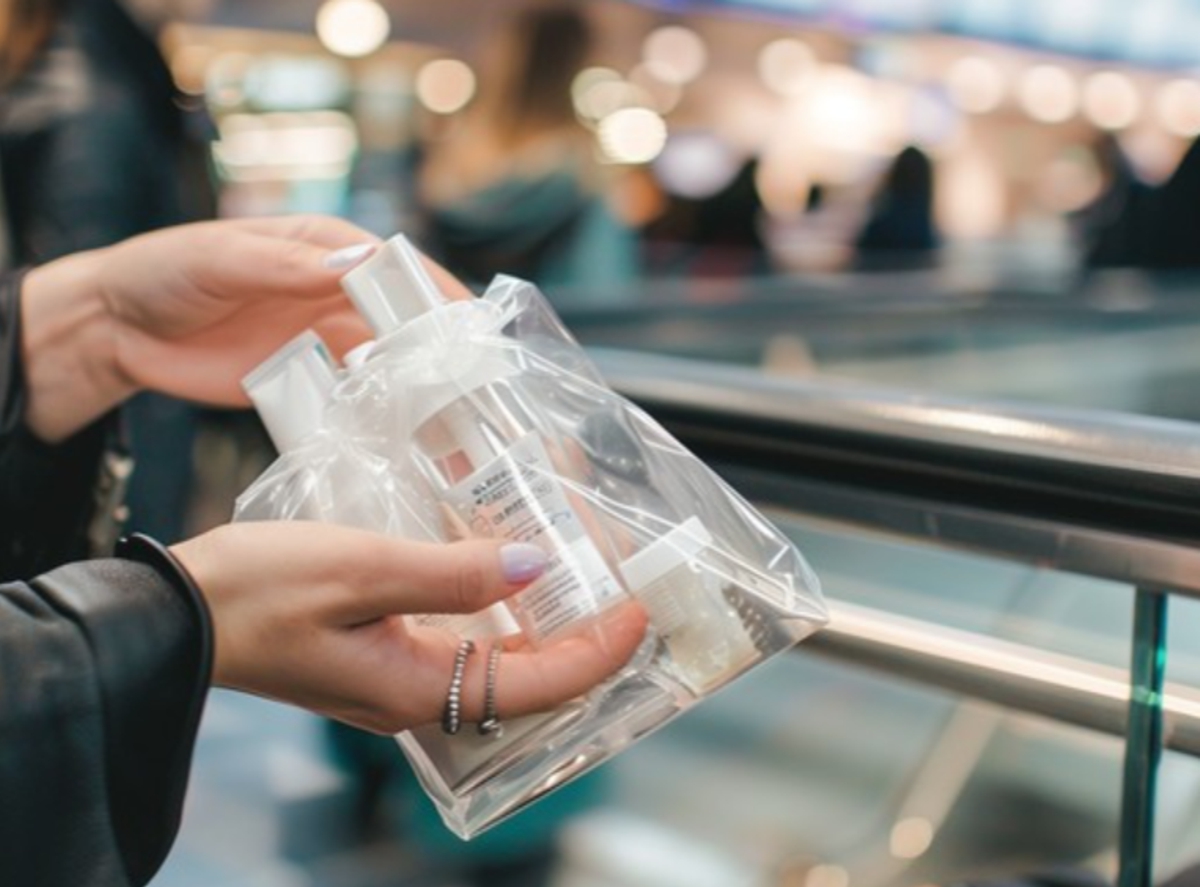
The 3-1-1 rule explained
The heart of the TSA liquid rules is the 3-1-1 rule, and it remained unchanged heading into 2026. It works like this: liquids, gels, aerosols, creams and pastes in your carry-on must be in containers of 3.4 ounces (100 milliliters) or less; all of those containers must fit inside one quart-size clear, resealable bag; and each passenger is allowed one such bag.
The number on the container is what matters, not how much is left inside. A half-empty 6-ounce bottle is not allowed, because the container exceeds 3.4 ounces. This is the single most common mistake travelers make. If a product is larger than 3.4 ounces, it must go in your checked bag or stay home. For the wider context of what fits in your bag, see our carry-on only packing guide.
What counts as a liquid?
The category is broader than many expect. Alongside obvious liquids like shampoo and water, the rule covers gels, creams, pastes, and aerosols — think toothpaste, peanut butter, hummus, yogurt, sunscreen, deodorant sticks of the gel or aerosol type, mascara and liquid foundation. If you can pour, pump, spread or spray it, TSA generally treats it as a liquid.
Exceptions to the 3-1-1 rule
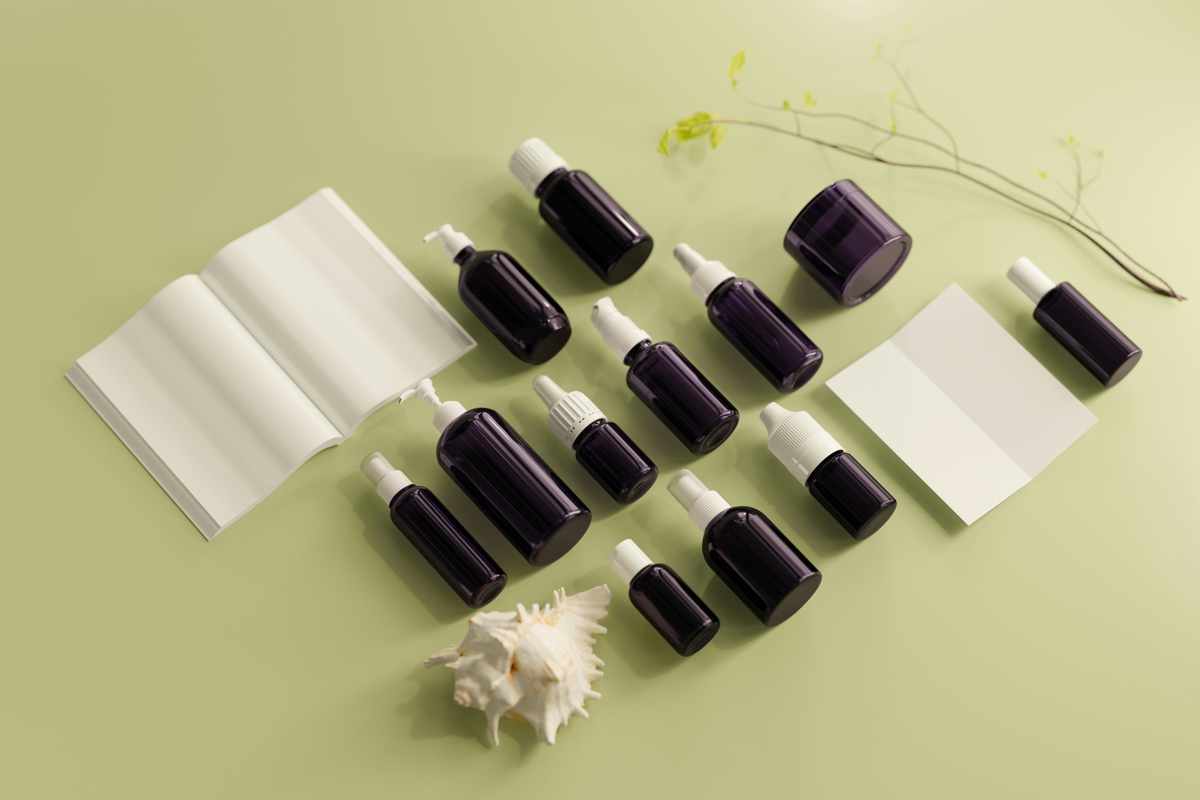
Several important categories are exempt from the quart-bag limit, though they must be declared to security officers for separate screening. Medications, including liquid prescriptions and essential over-the-counter medicine, are allowed in reasonable quantities above 3.4 ounces. Baby formula, breast milk and baby food are permitted in the amounts a child needs for the trip.
Other exemptions typically include items like ice packs for medical or infant needs. Declare these to the officer at the start of screening rather than leaving them in your bag, and expect them to be inspected separately. When in doubt, tell the officer — declared exempt items are handled routinely.
The easiest fix: switch to solids
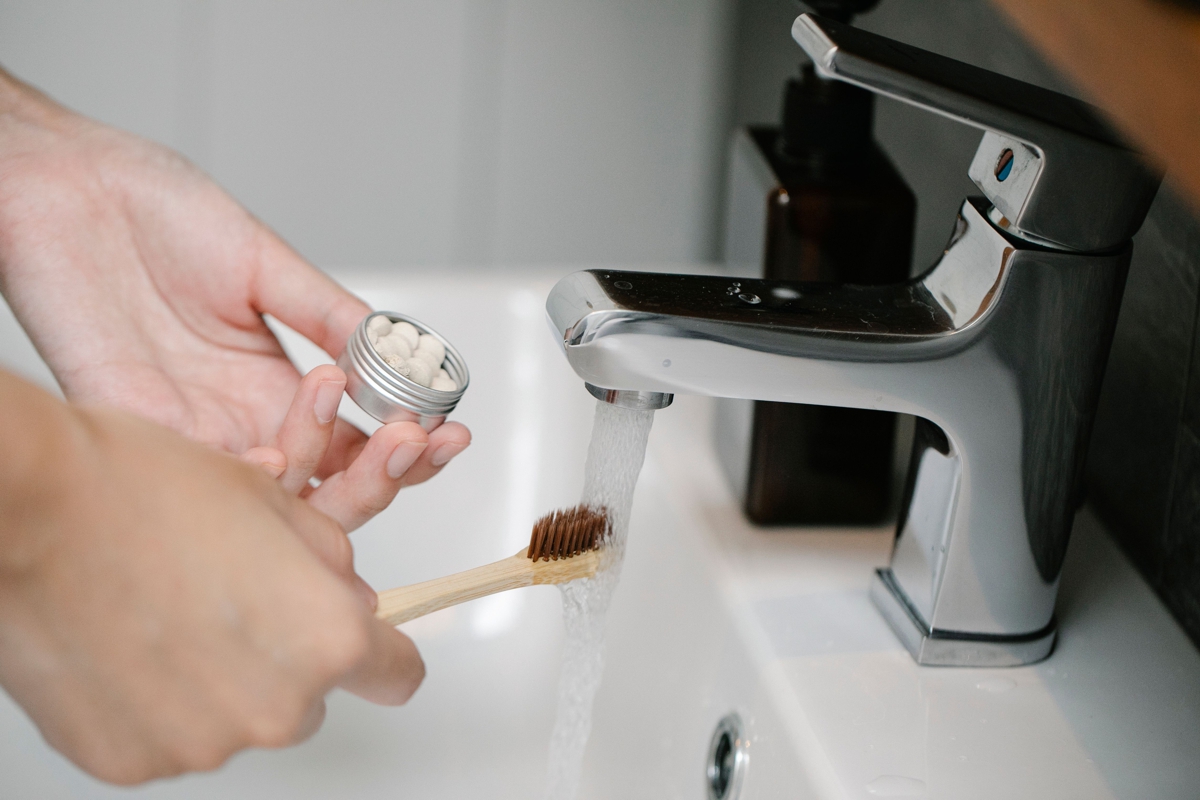
The cleverest way to sidestep the TSA liquid rules is to avoid liquids altogether. Solid toiletries are not subject to the 3-1-1 rule because they are not liquids, gels or aerosols. Bar shampoo and conditioner, bar soap, solid deodorant, toothpaste tablets, and solid perfume all pass through security freely and free up space in your quart bag for the products you cannot replace.
Solids also last longer, cannot leak over your clothes, and reduce plastic waste. For travelers committed to a single bag, switching even a few products to solid form makes the difference between fitting everything in one quart bag and having to check luggage. It pairs naturally with our advice on how to pack light.
Packing your toiletries the smart way
Beyond the rules, a little organization speeds you through the checkpoint. Keep your quart bag at the top of your carry-on or in an outer pocket so you can pull it out quickly, since most airports still require liquids to be removed and screened separately unless you are at a lane with newer CT scanners. Decant products into small reusable bottles rather than buying travel-size versions repeatedly, and label them so you know what is what.
Because hotels supply the basics — soap, shampoo, often lotion — you rarely need a full kit. Pack only what you genuinely use, and know your airline’s cabin allowance before you fly by checking our overview of baggage allowance rules. If you are checking a bag, full-size liquids can travel there without restriction, subject only to weight limits and any dangerous-goods rules.
Duty-free liquids and connections
Liquids bought at duty-free after security are allowed on board, even above 3.4 ounces, as long as they are sealed in a tamper-evident bag with the receipt visible. Be careful with connecting flights, though: if you pass through security again at a transfer airport, those duty-free liquids may be confiscated unless local rules and the sealed bag are honored. When in doubt on an international connection, pack duty-free liquids in your checked bag if you have one.
Newer CT scanners and what they change
Some airports have rolled out advanced CT scanners at security lanes, which produce a detailed 3D image of your bag. At those lanes, you may be told you can leave liquids and laptops inside your carry-on rather than removing them, which speeds things up considerably. The important point for travelers is that this varies airport by airport and even lane by lane, so the 3-1-1 rule itself has not changed — your liquids must still meet the 3.4-ounce and quart-bag limits. Until you are certain the lane you are in uses the newer technology, pack as though you will need to take your quart bag out, and follow the officer’s instructions once you reach the checkpoint.
International differences to know
The 3-1-1 rule is the United States version of a limit that most countries share in similar form. Many airports worldwide apply the same 100 ml container and roughly one-litre clear-bag standard, so the habits you build for TSA travel serve you almost everywhere. That said, specific allowances, exemptions and enforcement can differ, and a few airports have trialled scanners that relax the liquid limit before reversing course. The safest approach on any international trip is to assume the familiar 100 ml rule applies, keep medicines and baby supplies accessible to declare, and check the departure airport’s website if you are carrying anything unusual.
Frozen and unusual items
A useful quirk of the rules is that if a liquid or gel is frozen solid at the checkpoint, it is treated as a solid and allowed through, though it must be completely frozen when screened — slushy or partially melted items fall back under the 3.4-ounce limit. This helps with things like frozen gel ice packs for medication. Powders are generally fine, but large quantities of powder over about 12 ounces may be subject to additional screening, so pack big powder containers in checked luggage where you can. When you are unsure whether an item counts, the safest move is simply to ask an officer before you reach the belt rather than risk having it pulled and discarded.
FAQ
What is the TSA 3-1-1 rule?
Liquids, gels and aerosols in your carry-on must be in containers of 3.4 ounces (100 ml) or less, all fitting inside one quart-size clear resealable bag, with one bag per passenger. It remained in effect without change in 2026.
Can I bring medication larger than 3.4 ounces?
Yes. Medically necessary liquids, including prescription and essential over-the-counter medicine, are exempt from the quart-bag limit in reasonable quantities. Declare them to the security officer for separate screening.
Are solid toiletries subject to the liquid rules?
No. Bar shampoo, bar soap, solid deodorant and toothpaste tablets are not liquids, gels or aerosols, so they are not limited by the 3-1-1 rule and can pass through security freely.
Can I bring duty-free liquids on the plane?
Yes, if they are sealed in a tamper-evident bag with the receipt visible. On connecting flights where you re-clear security, they may be confiscated unless local rules recognize the sealed bag, so check before you travel.
The TSA liquid rules come down to the 3-1-1 formula, a handful of sensible exceptions for medicine and infant needs, and one great shortcut: pack solids wherever you can. Master that and you will move through security quickly, keep your favorite products, and pack lighter in the process.