
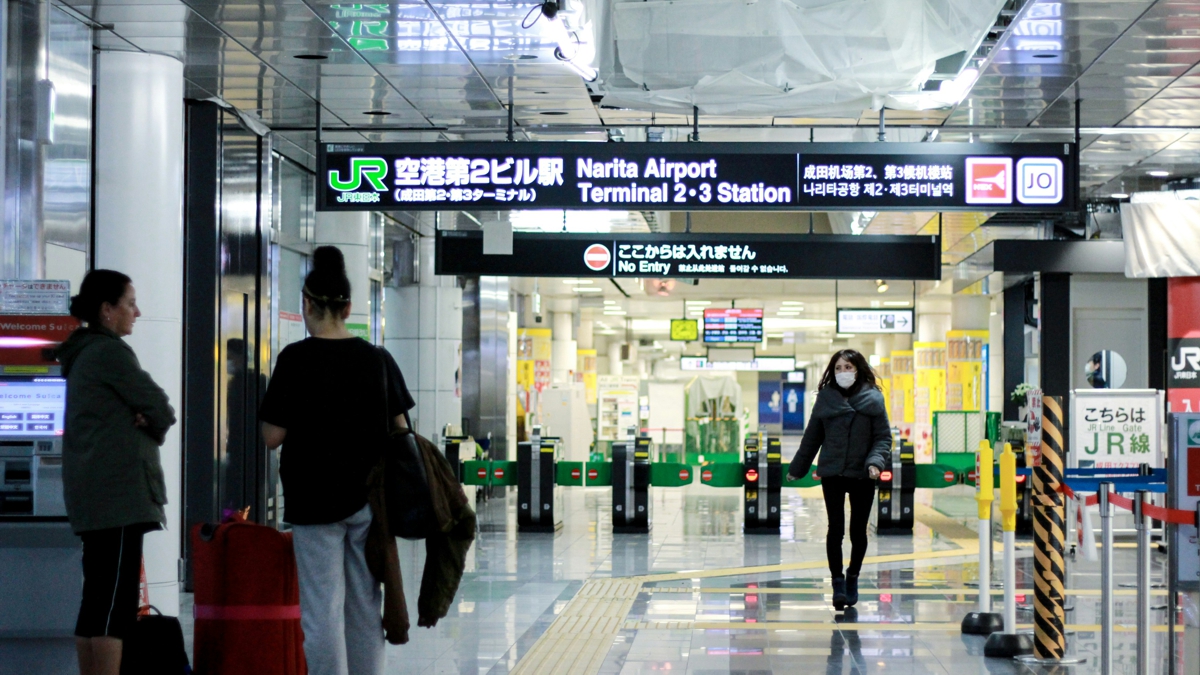
Tokyo has two international airports, and the Narita vs Haneda question matters more than most travellers realise when they book. Haneda sits close to the city; Narita is a long way out. That single fact affects your transfer time, your cost, and even how you plan your first and last day in Japan. If you have a choice of flights, understanding the difference can save you an hour of travel and a chunk of cash.
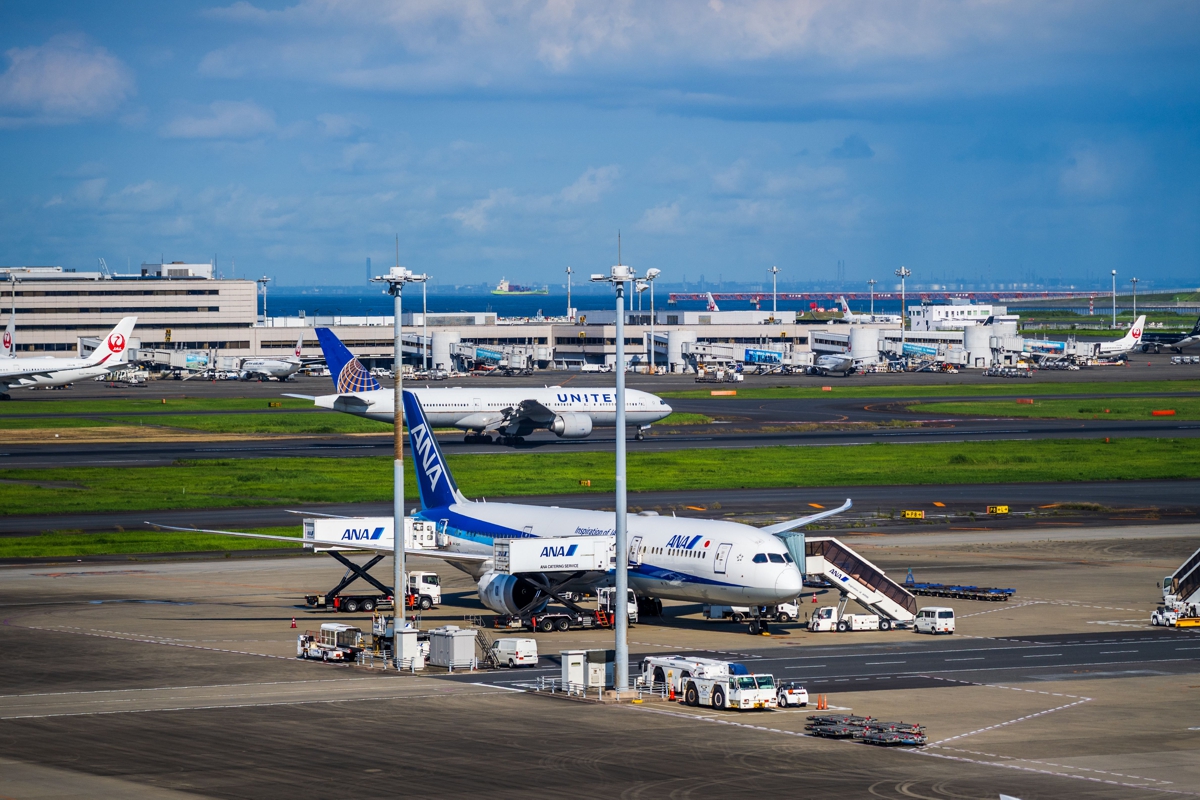
Here is how the two compare, and exactly how to get from each into central Tokyo.
Narita vs Haneda: The Key Difference
Haneda (HND) sits just south of central Tokyo, roughly 15 kilometres from the city, which makes transfers quick and relatively cheap. Narita (NRT) is around 60 kilometres east, in neighbouring Chiba Prefecture, so getting into town takes longer and costs more. Historically Narita handled the bulk of international flights while Haneda focused on domestic routes, but Haneda now runs plenty of international services too, so you may genuinely get to choose.
All else being equal, Haneda is the more convenient landing point for a Tokyo-focused trip. That said, Narita is well connected and perfectly manageable; you just need the right train.
Getting from Narita to Central Tokyo
Because Narita is far out, you want a fast train rather than a taxi, which would be very expensive. Two rail options dominate.
Keisei Skyliner
The Keisei Skyliner is the fastest link, reaching Keisei-Ueno station in as little as 41 minutes, with a regular one-way fare of around 2,580 yen. Note that it terminates at Ueno, not Tokyo Station, so if your hotel is elsewhere you will transfer to the metro or JR from there. It is a smooth, reserved-seat ride and ideal if Ueno or the north-east of the city is convenient for you.
Narita Express (N’EX)
JR’s Narita Express runs directly to Tokyo Station and continues to Shinjuku, Shibuya, and Yokohama, which makes it the better pick if your accommodation is on the west side of the city. It is comparable in speed and is covered by the Japan Rail Pass if you hold one, which can make it effectively free for pass holders. Keep in mind that JR fares rose by around 7% in March 2026, so check the current price when you book.
Cheaper and slower options
Keisei also runs slower limited-express and access-express trains for a lower fare, and highway buses connect Narita to major stations and hotels. These trade time for money and can suit budget travellers who are not in a rush.
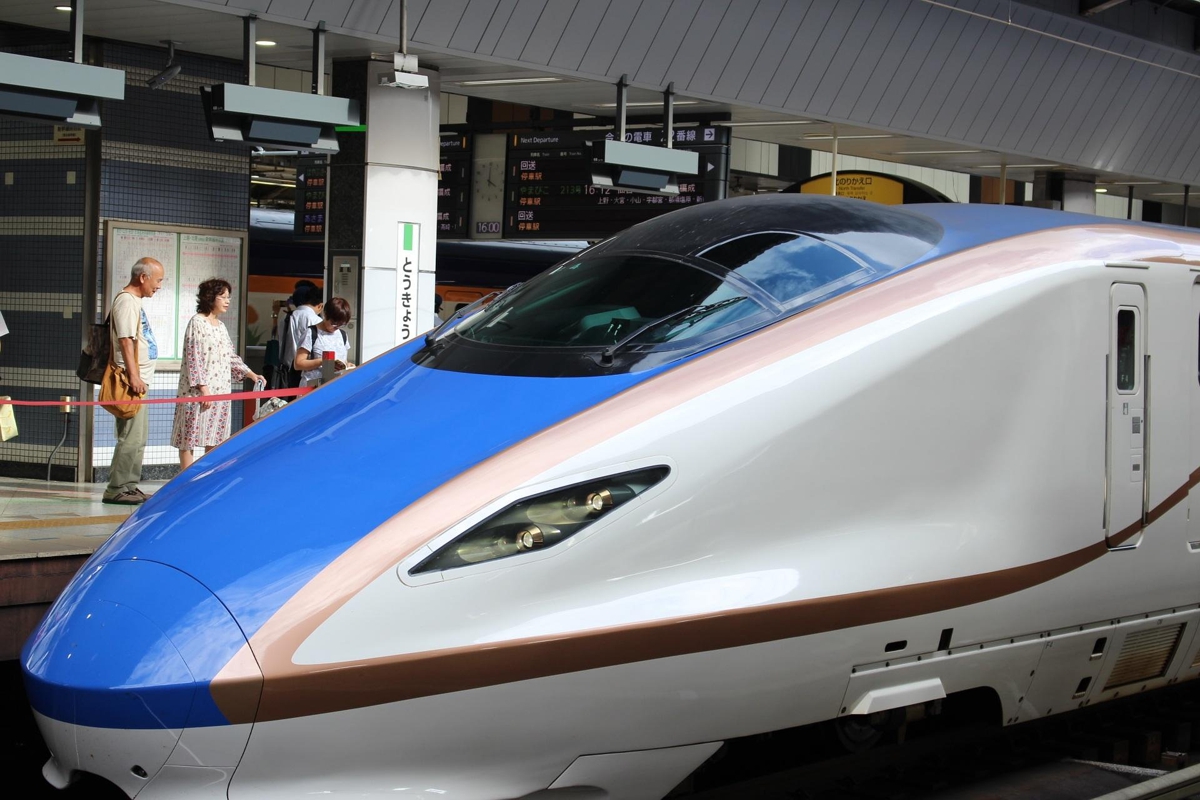
Getting from Haneda to Central Tokyo
Haneda’s proximity is its superpower. Transfers are short, frequent, and inexpensive.
Tokyo Monorail
The Tokyo Monorail runs from Haneda to Hamamatsucho, where you connect to the JR Yamanote loop line that rings central Tokyo. It is quick, scenic over the bay, and covered by the Japan Rail Pass.
Keikyu Line
The Keikyu Railway connects Haneda toward Shinagawa, a major JR interchange, and continues through to Asakusa and beyond via through-services. For many central hotels this is the cheapest and most direct route, often taking just 15 to 20 minutes to Shinagawa.
Taxi and ride-hailing
Because Haneda is close in, a taxi is far more viable here than from Narita, though still pricier than the train. For a late-night arrival with luggage it can be worth it, and fixed-fare airport taxi services to central districts exist.
So Which Airport Should You Fly Into?
If you can choose and your trip centres on Tokyo, Haneda is the more convenient option thanks to its short, cheap transfers. Choose Narita if the flight is significantly cheaper, if the schedule suits you better, or if you are heading toward the north-east of the city or onward into Chiba. Neither is a bad choice; the trains from both are clean, punctual, and easy to navigate once you know which one to board.

Whichever airport you use, your next step is mastering the city’s dense rail network, so read our guide to getting around Tokyo to make sense of the JR lines, metro, and IC cards. For the bigger picture of what to see and where to stay, our Tokyo travel guide covers the essentials, and if you are shaping your days, our 5-day Tokyo itinerary shows how to fit the highlights together without backtracking.
IC Cards, Tickets, and First-Day Planning
Whichever airport you land at, buy or top up a Suica or Pasmo IC card as soon as you arrive. These tap-and-go smart cards work across almost every train, subway, and bus in the Tokyo area, and they spare you from decoding fare charts at every gate. You can also link a digital version to a phone wallet, which many travellers now prefer over the physical card. Load a few thousand yen to start and top up at any station machine.
Think about timing, too. Both the Skyliner and Narita Express run on fixed schedules with last departures in the evening, so a very late Narita landing may leave you with only the slower access-express train or a highway bus. Haneda’s connections run later and more frequently, which is another reason it is the gentler option for a red-eye arrival. If you land late at Narita and your train has stopped, budget for a pricey taxi or plan a night near the airport.
It also pays to plan your first day around your arrival point. Landing at Ueno on the Skyliner puts you near the museums and Ameyoko market, a pleasant low-energy start after a long flight. Arriving at Shinagawa or Tokyo Station via Haneda or the Narita Express drops you straight onto the Yamanote loop, making it easy to reach almost any neighbourhood without a complicated transfer.
Luggage and Comfort on the Way In
Both airports offer same-day luggage delivery services that can send your suitcases straight to your hotel, a small luxury worth considering if you face a train transfer with heavy bags. Coin lockers are plentiful at major interchange stations if you arrive before check-in time. On the Skyliner and Narita Express you get dedicated luggage racks and reserved seats, so long-haul fatigue is easier to manage than on a crowded commuter train. From Haneda the short ride means luggage is less of a concern, but the Yamanote line can be packed at rush hour, so travel outside the busiest windows if you can and keep bags out of the aisle.
FAQ
Is Haneda or Narita better for Tokyo?
Haneda is closer to central Tokyo (about 15 km) with quicker, cheaper transfers, so it is generally more convenient. Narita is around 60 km out but is well connected by fast trains like the Skyliner and Narita Express.
How do I get from Narita to Tokyo?
The Keisei Skyliner reaches Ueno in about 41 minutes for around 2,580 yen, while the Narita Express runs directly to Tokyo, Shinjuku, and Shibuya. Cheaper slower trains and highway buses are also available.
How far is Haneda from central Tokyo?
Haneda is roughly 15 kilometres from central Tokyo. The Tokyo Monorail and Keikyu Line reach major interchanges like Hamamatsucho and Shinagawa in around 15 to 20 minutes.
Is the Japan Rail Pass useful for airport transfers?
Yes for JR services: the Narita Express and the Tokyo Monorail are covered by the Japan Rail Pass, which can make those transfers effectively free if you already hold a pass.