Getting around Vietnam means covering a country that stretches more than 1,700 kilometers from the mountains of the north to the Mekong Delta in the south. Between the major stops you will choose from domestic flights, the scenic Reunification Express train and a dense network of sleeper buses, while within cities ride-hailing apps and taxis handle the short trips. Matching the mode to the distance is the whole game, and this guide gives you a simple rule of thumb along with the honest pros and cons of each option.
The rule of thumb for getting around Vietnam
A simple guideline keeps your planning sane. For trips under about 300 kilometers, a bus or short train hop makes sense. For journeys between 300 and 800 kilometers, an overnight train or sleeper bus saves you a hotel night and covers the distance while you sleep. For anything over 800 kilometers, such as Hanoi to Ho Chi Minh City, fly, because the train takes well over a day and cheap domestic flights cross the country in around two hours. Getting around Vietnam efficiently is mostly about applying this logic to your route.
Domestic flights: fast and cheap
For long hops, flying is the obvious choice. Domestic carriers connect Hanoi, Da Nang, Ho Chi Minh City and popular spots like Phu Quoc and Nha Trang frequently and cheaply, with fares often starting very low if you book ahead. A flight that saves you 30-plus hours over the train for the full length of the country is a bargain in time even if it costs a little more. Book early for the best prices, travel light to avoid baggage fees on the budget carriers, and allow for the occasional delay that is common on domestic routes.
Trains: the scenic classic
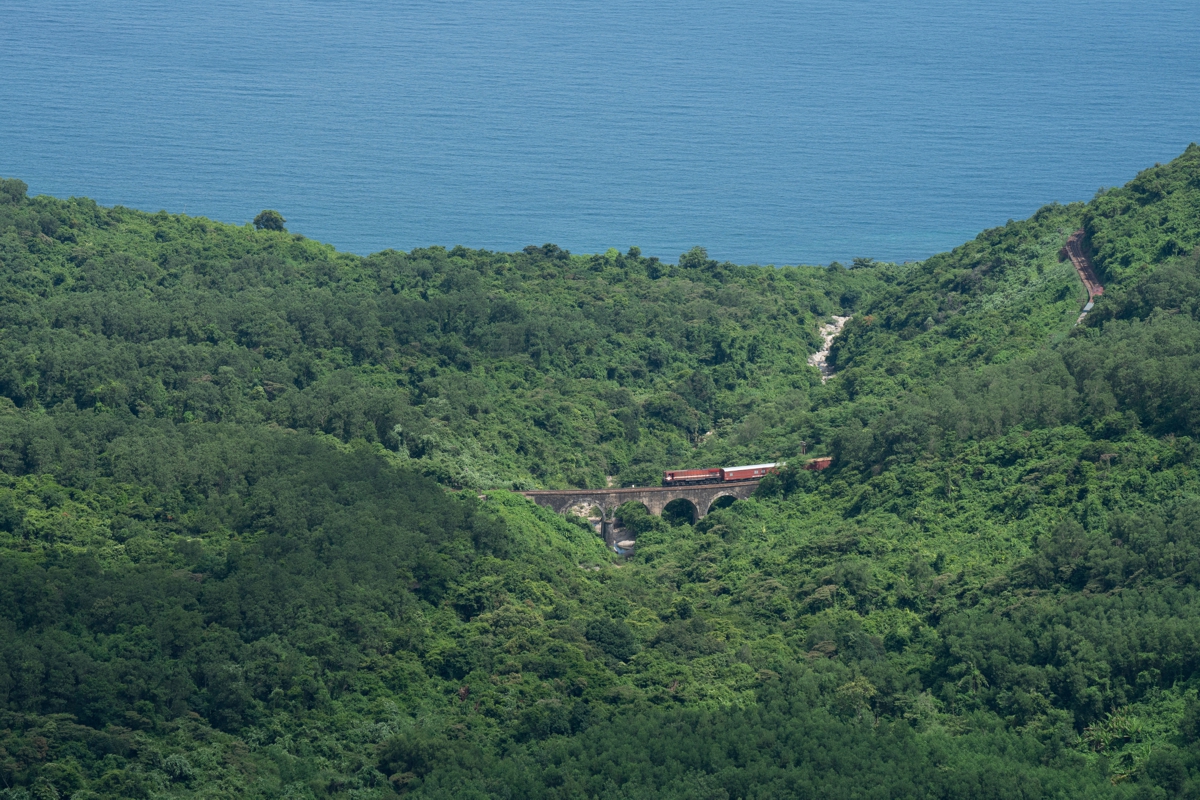
The railway is one of the great pleasures of travel here. The Reunification Express runs the length of the country between Hanoi and Ho Chi Minh City with many stops along the way, and while it is slow, it is comfortable, sociable and endlessly scenic. The stretch between Da Nang and Hue over the Hai Van Pass, hugging the coast, is regularly called one of the best train rides in the world.
Choosing a class and berth
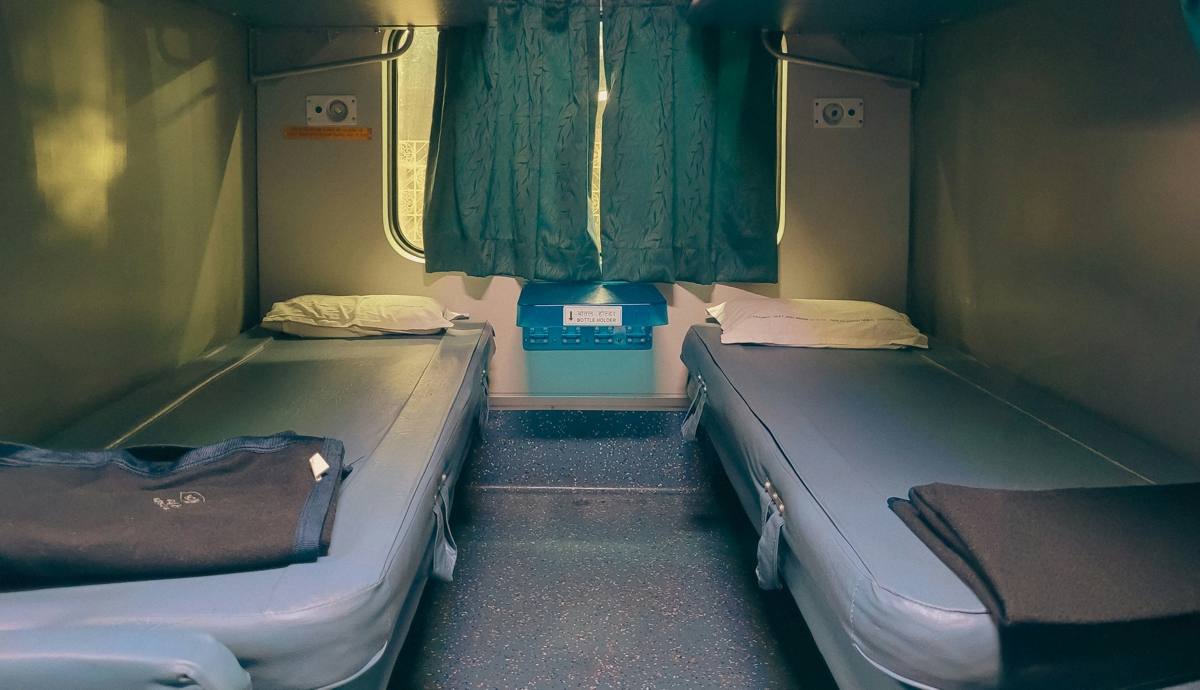
Overnight trains offer several classes, and the soft sleeper, a four-berth air-conditioned cabin, is the most popular with travelers for the balance of comfort and price. Hard sleepers with six berths are cheaper and more crowded, while seats are best only for short daytime legs. Book a few days ahead in peak season, and consider taking the train for one memorable leg even if you fly the rest. Our dedicated guide to traveling Vietnam by train covers classes, booking, the best scenic sections and what to expect on board.
Sleeper buses: cheap and everywhere
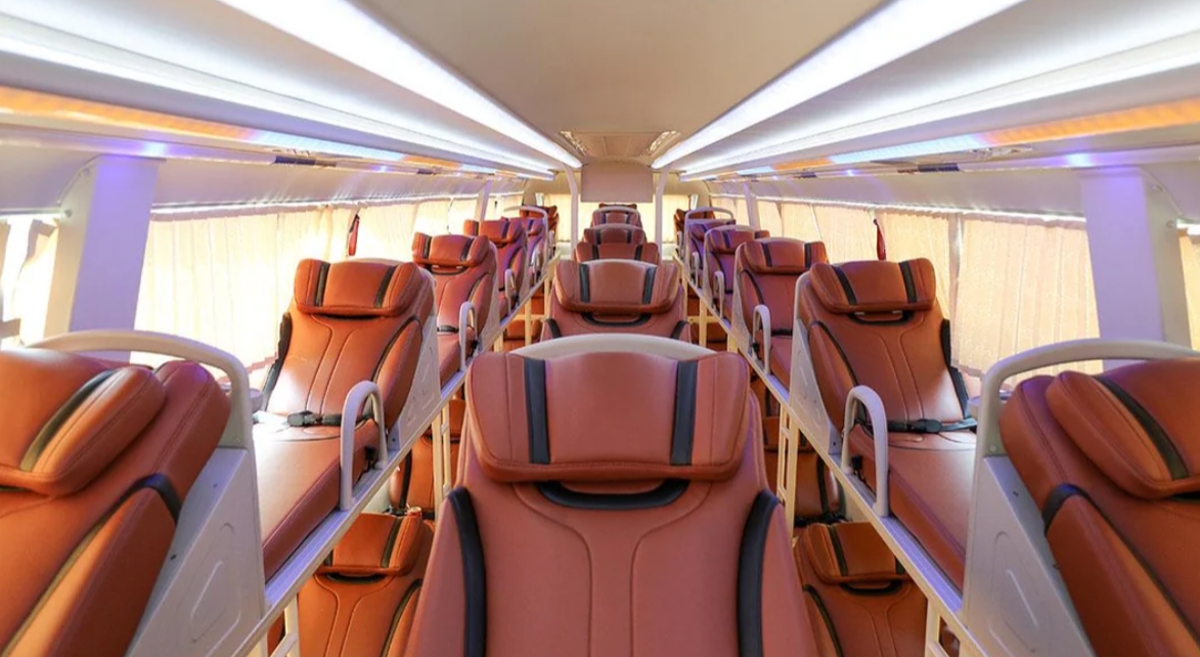
Where trains do not go, and to the mountain towns and beaches off the rail line, sleeper buses take over. Modern Vietnamese sleeper buses have rows of individual reclining pods rather than seats, with blankets, air conditioning and, increasingly, USB charging. They are not as comfortable as a soft sleeper train, but they reach far more places and are excellent value, connecting almost every town in the country. Reputable operators run the main routes, and it is worth choosing an established company for comfort and safety on the long overnight legs.
Book through your accommodation, a booking app or the operator directly, and note that “VIP” or “cabin” buses cost a little more for a private pod that is well worth it on a long trip. Keep valuables on you, wear layers for the fierce air conditioning, and expect the driver to use the horn liberally.
Getting around within cities
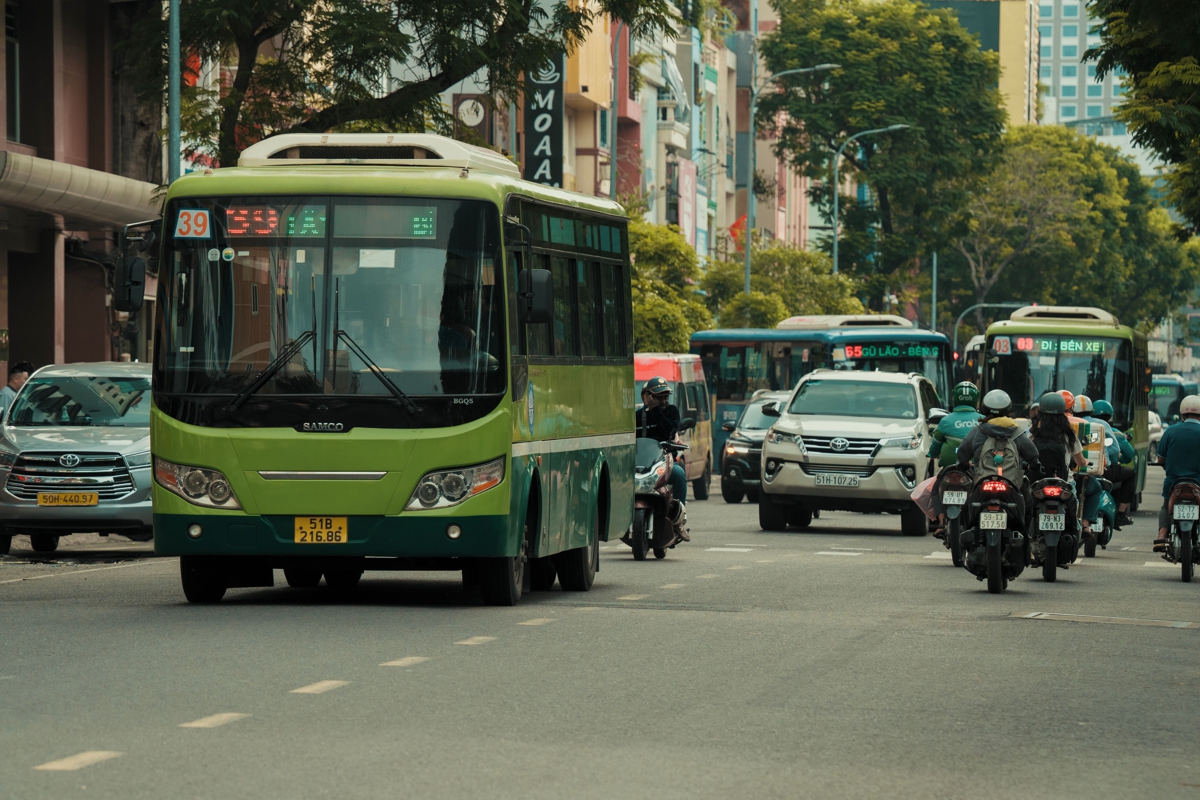
Inside Hanoi, Ho Chi Minh City, Da Nang and the rest, short trips are easiest with the Grab app, which offers both car and motorbike rides at fixed, upfront prices and removes the need to negotiate. The green Xanh SM electric taxis and Grab together dominate urban transport, and both are cheap. Metered taxis exist but stick to reputable companies to avoid rigged meters. A local SIM with data makes the apps work seamlessly and is cheap to buy on arrival.
Motorbike taxis and cyclos
Motorbike taxis, booked through Grab as GrabBike, are the quickest way through congested old quarters and cost very little. The traditional cyclo, a three-wheeled pedicab, survives mainly as a slow sightseeing ride in tourist areas and is priced accordingly, so agree the fare first.
Safety, tickets and staying connected
A handful of habits keep long-distance travel smooth. Book train berths and reputable sleeper-bus tickets a few days ahead in peak season through official channels or trusted apps rather than leaving it to chance at the station. Carry your passport, as it is often needed to buy or collect train tickets, and keep valuables on you rather than in the luggage hold on buses. A local SIM with generous data is the single most useful purchase on arrival, powering the Grab app, offline maps and translation. Finally, verify departure points carefully, because large cities have several bus and train stations, and turning up at the wrong one is a classic way to miss a connection. With these basics covered, moving around Vietnam is straightforward and remarkably affordable.
Planning your route
Most first trips follow the country north to south or the reverse, chaining a handful of major stops with flights for the big jumps and trains or buses for the shorter, scenic legs. To see how the classic route comes together with sensible transport choices between each stop, our 2-week Vietnam itinerary lays out a realistic plan, and our broader Vietnam travel guide covers where to go and what each region is known for.
Boats, ferries and the water routes
Some of Vietnam’s signature experiences happen on the water. Cruises through the limestone karsts of Halong Bay and neighboring Lan Ha Bay are typically booked as overnight packages that include transfers from Hanoi, so you rarely arrange the boat yourself. In the Mekong Delta, small boats and ferries thread the canals and connect river towns, and a delta trip is as much about the water as the roads. To reach island destinations such as Phu Quoc or Cat Ba, you will combine a short flight or drive with a fast ferry, and services run frequently in good weather but can be suspended during storms, so keep your schedule flexible.
One practical note that saves stress: build buffer time around any water crossing or long overland leg. Weather, traffic and the occasional breakdown mean Vietnamese journeys often run behind, and a tight connection to a flight or an onward bus is the most common way a smooth trip unravels. Leave a night’s cushion before international departures.
FAQ
What is the best way to travel long distances in Vietnam?
For journeys over about 800 kilometers, fly, since cheap domestic flights cross the country in around two hours versus more than a day by train. For medium distances, an overnight train or sleeper bus saves a hotel night while covering ground.
Is the train in Vietnam worth it?
Yes, at least for one leg. The Reunification Express is slow but scenic and comfortable, and the coastal stretch between Da Nang and Hue over the Hai Van Pass is spectacular. A soft sleeper cabin is the sweet spot for overnight journeys.
Are sleeper buses safe and comfortable in Vietnam?
Modern sleeper buses with reclining pods are comfortable and good value, and reputable operators run the main routes safely. Choose an established company, pick a VIP or cabin option for long legs, and keep your valuables with you.
How do I get around cities in Vietnam?
Use the Grab app for cars and motorbike taxis at fixed prices, alongside the Xanh SM electric taxis. Buy a local SIM with data on arrival so the apps work smoothly, and stick to reputable metered taxi companies if you flag one on the street.