
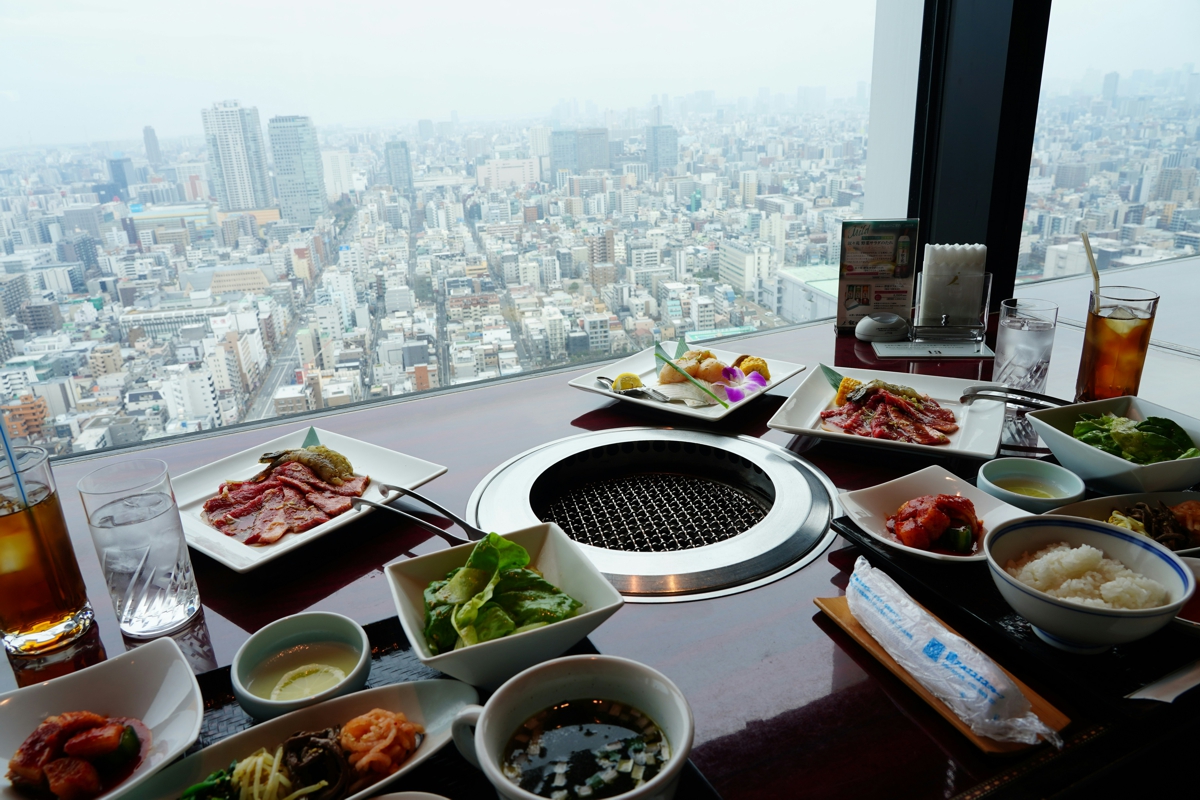
Working out what to eat in Tokyo is a delicious problem, because this may be the greatest food city on the planet. It holds more Michelin stars than anywhere else, yet its finest meals are just as likely to come from a nine-seat ramen counter or a basement sushi bar as from a temple of haute cuisine. This guide walks through twenty essential dishes, from the obvious icons to the specialties Tokyoites actually crave, so you can eat with intent across a city where even a convenience-store snack can be a revelation.
Japanese food prizes seasonality, precision, and restraint. Flavors tend to be cleaner and more focused than in many cuisines, letting a single ingredient shine. Many Tokyo restaurants specialize in one thing and do it for generations, so the way to eat well is to seek out these specialists rather than menus that try to cover everything. Below, the dishes are grouped to help you plan meals across the day. One more thing worth knowing: portions are often smaller and cheaper than in the West, which is an invitation to eat at several places in an evening rather than one. Locals think nothing of a ramen bowl at one counter, a few yakitori skewers at the next, and a sweet from a stall on the way home, and this grazing approach is how you cover the most ground.
Sushi and raw fish
1. Sushi and Nigiri
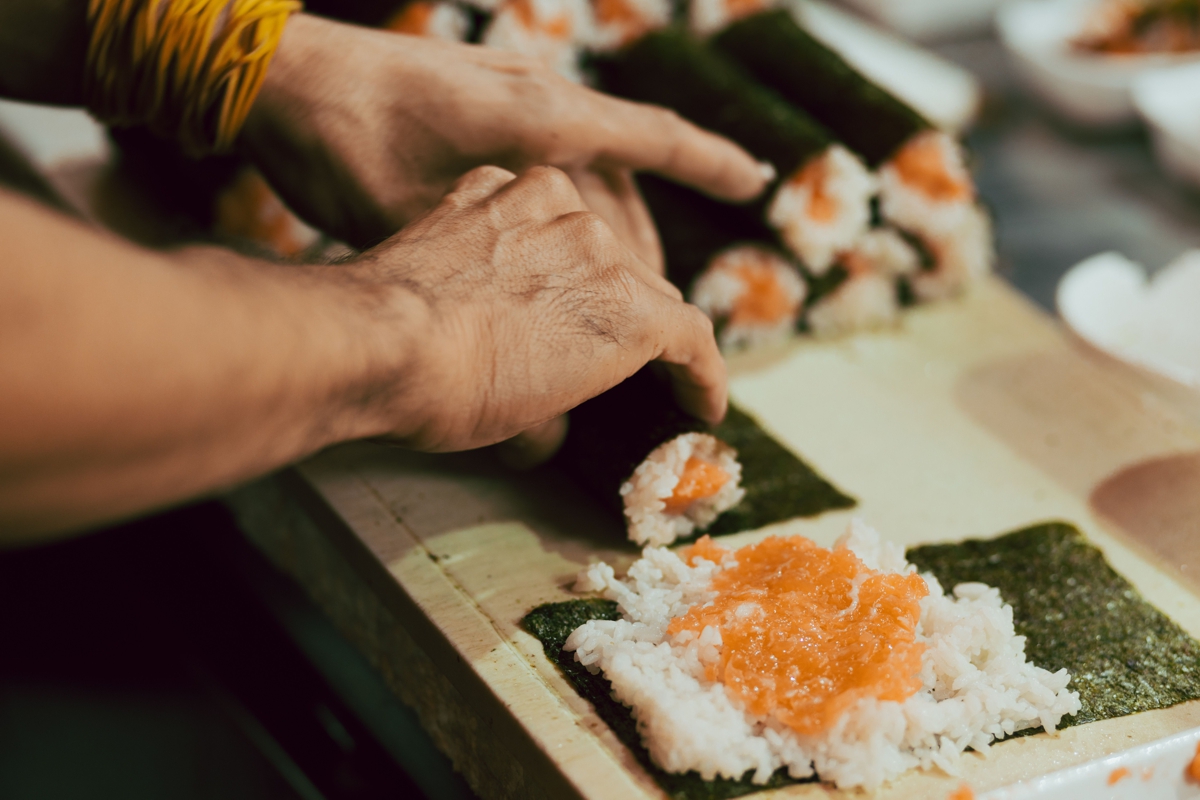
No visit is complete without sushi at its source. Edomae-style nigiri, slices of fish pressed onto seasoned rice, was born in this city. Eat it at the counter where the chef hands each piece across, and eat it promptly. Options range from budget conveyor-belt (kaiten) shops to hushed omakase counters where the chef decides the sequence. Even mid-range Tokyo sushi outclasses what most of the world calls high-end. A few pointers help: eat nigiri in one bite, dip fish-side down so the rice does not fall apart, and trust the chef’s seasoning rather than drowning everything in soy. At an omakase counter, simply eat each piece as it arrives and let the meal build from lean to rich.
2. Sashimi
Sliced raw fish served without rice, sashimi is about the purity of the ingredient and the skill of the knife. A platter shows off tuna, sea bream, and whatever is in season, dipped lightly in soy with a touch of wasabi. It is the clearest window into Japan’s obsession with freshness.
3. Chirashi and Kaisendon
For a more casual raw-fish fix, chirashi scatters sashimi over a bowl of sushi rice, while a kaisendon piles seafood over plain rice. Both are staples of the markets and a satisfying, less ceremonial way to enjoy top-quality fish, especially around Toyosu and the old Tsukiji outer market.
Noodles
4. Ramen
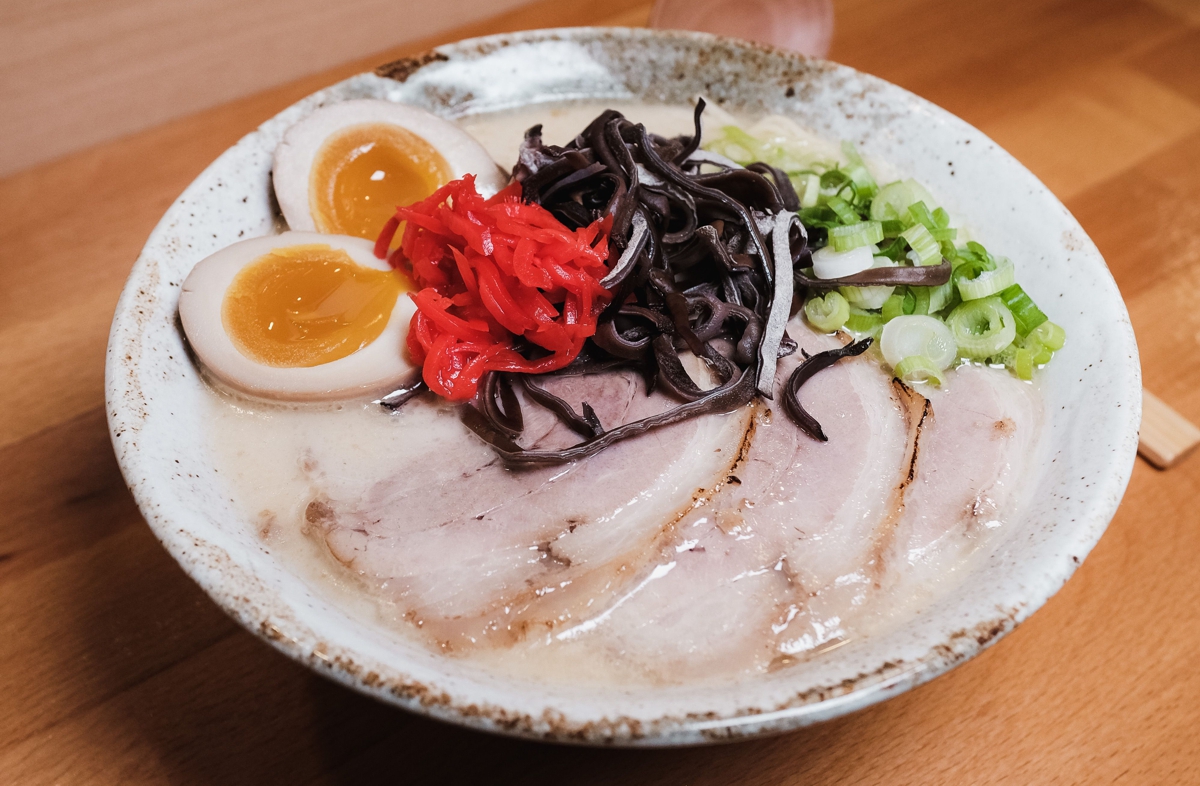
Tokyo takes ramen seriously, and the city holds thousands of shops, each with its own broth. Classic Tokyo-style ramen uses a soy-based (shoyu) broth with curly noodles, but you will find rich tonkotsu pork-bone, miso, and delicate shio (salt) versions too. Order from the vending machine at the door, sit at the counter, and slurp without apology, since slurping cools the noodles and is considered part of enjoying the bowl. Each shop guards its recipe fiercely, and regulars will travel across the city for a particular broth, so trying two or three different styles is the best way to understand why Tokyoites obsess over it.
5. Tsukemen
A ramen variant where thick, chewy noodles come separately from a concentrated dipping broth. You dunk each mouthful, so the noodles stay firm and the flavor hits hard. Ramen devotees often prefer it, and Tokyo is one of the best places to try it.
6. Soba
Buckwheat noodles served either hot in broth or cold on a bamboo tray (zaru soba) with a dipping sauce. Handmade soba has a nutty flavor and a following as devoted as any sushi bar’s. Standing soba shops in train stations offer a fast, cheap, and genuinely good version eaten in a couple of minutes on the way to the platform. At the other end, specialist soba houses grind their own buckwheat daily, and the cooking water left over, sobayu, is traditionally poured into your dipping sauce to drink at the end of the meal.
7. Udon
Thick, chewy wheat noodles in a light dashi broth, comforting and mild. Simple and inexpensive, a hot bowl of udon topped with tempura is one of the great everyday meals in the city.
Grilled and fried dishes
8. Yakitori
Skewers of chicken, every part of it, grilled over charcoal and seasoned with either salt (shio) or a sweet soy glaze (tare). Yakitori is the food of the izakaya and the smoky alleyways under the train tracks. Order a range, from thigh (momo) to skin (kawa) to the tender meat near the tail, and pair it with a cold beer or a highball. Nose-to-tail is the norm here, and adventurous eaters are rewarded, but a simple round of thigh and meatball (tsukune) is a perfect introduction. The atmosphere, elbow to elbow in a tiny smoke-filled counter, is half the appeal.
9. Tempura
Seafood and vegetables in a feather-light batter, fried to a delicate crisp and served with dipping sauce or a pinch of salt. At a specialist tempura counter, pieces are fried to order and eaten one at a time straight from the oil, an experience far removed from the heavy versions found abroad. The batter should be so light it barely registers, leaving the ingredient’s own flavor and texture intact, and the chef adjusts oil temperature constantly for each item.
10. Tonkatsu
A thick pork cutlet breaded in panko and deep-fried until golden, sliced and served with shredded cabbage, rice, and a tangy brown sauce. Juicy inside and shatteringly crisp outside, tonkatsu is hearty comfort food and a Tokyo favorite.
11. Unagi
Freshwater eel grilled and lacquered with a sweet-savory sauce, served over rice as unadon or unaju. Rich and tender, it is a traditional summer delicacy believed to give strength in the heat, and specialist eel restaurants have served it for centuries. The eel is butterflied, steamed, then grilled and glazed in repeated coats until the surface caramelizes, a labor-intensive process that explains the price and the reverence.
Rice bowls and comfort food
12. Gyudon
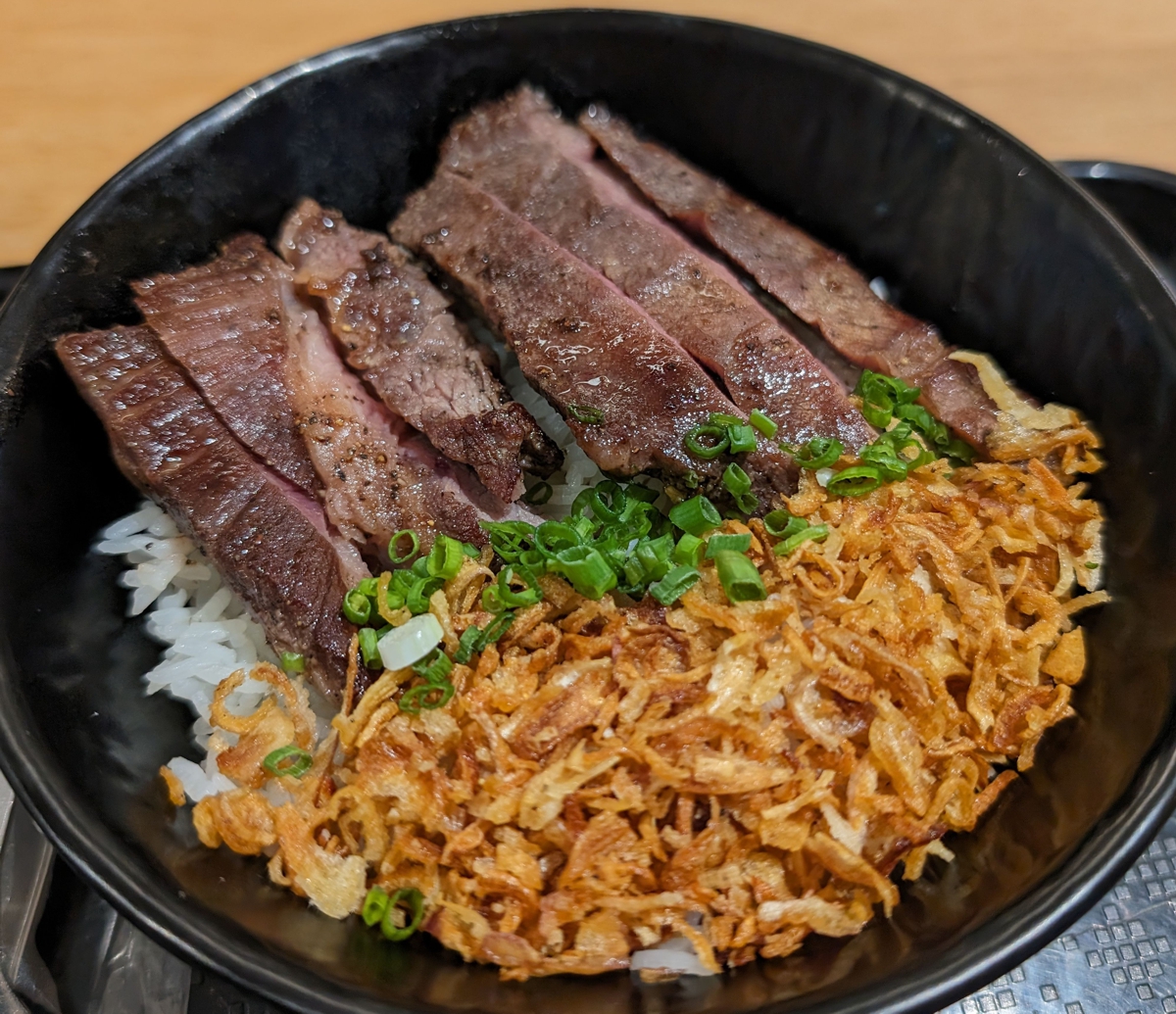
Thinly sliced beef and onion simmered in a sweet soy broth over rice, the classic fast, cheap meal sold by chains across the city at all hours. Unpretentious and reliably tasty, it is what many locals grab between tasks.
13. Katsudon
A tonkatsu cutlet simmered with egg and onion and laid over rice, blending crisp and soft into one comforting bowl. It is the meal students eat before exams for good luck, thanks to a pun on the word for victory.
14. Curry Rice
Japanese curry is thick, mild, and slightly sweet, poured over rice and often topped with a fried cutlet (katsu curry). Introduced via Britain generations ago and thoroughly naturalized, it is a national comfort food you will find everywhere.
Street food and savory pancakes
15. Okonomiyaki
A savory pancake of cabbage and batter mixed with your choice of fillings, griddled and topped with sauce, mayonnaise, dried bonito, and seaweed. Often cooked at your table, it is interactive and endlessly customizable.
16. Monjayaki
Tokyo’s own runnier cousin of okonomiyaki, a gloopy griddled batter scraped up with tiny spatulas. The Tsukishima district is famous for its street lined with monja shops, and it is a very local thing to try.
17. Takoyaki
Ball-shaped snacks of batter with a piece of octopus inside, crisp outside and molten within, brushed with sauce and topped with dancing bonito flakes. A street-festival classic eaten hot from the pan.
18. Taiyaki and Dorayaki
For something sweet on the go, taiyaki is a fish-shaped cake filled with sweet red bean or custard, while dorayaki sandwiches red bean paste between two small pancakes. Both are beloved, affordable street sweets found near temples and in shopping streets across the city.
Sweets and drinks
19. Wagashi and Matcha
Traditional Japanese sweets, delicate and often bean-based, are designed to accompany bitter matcha green tea. A tea-house pause with a seasonal wagashi is a quiet, refined counterpoint to a day of eating.
20. Melonpan and Convenience-Store Snacks
Do not overlook the humble. Melonpan, a sweet crackly-topped bun, and the surprisingly excellent offerings of Japanese convenience stores, from onigiri rice balls to egg sandwiches, are part of the real Tokyo eating experience and cost almost nothing.
Where to eat these dishes
Tokyo’s food is organized by neighborhood as much as by dish. For sushi and the freshest raw fish, the Toyosu market and the surviving Tsukiji outer market are the obvious pilgrimage, with counters and bowls served from dawn. Shibuya, Shinjuku, and Ikebukuro are dense with ramen shops, and the golden-lit alleys of Omoide Yokocho and the lanes around Yurakucho beneath the train tracks are the classic setting for yakitori and beer after dark. Tsukishima is the home of monjayaki, with a whole street devoted to it, while the department store food halls, known as depachika, in the basements of places like Isetan and Mitsukoshi are a dazzling, air-conditioned way to sample sweets, bento, and prepared delicacies in one place.
Timing shapes the experience too. Sushi and market bowls are freshest in the morning. Lunch is when high-end kitchens open their doors at a fraction of dinner prices through set menus. Evenings belong to the izakaya and the ramen counter, and late nights to gyudon chains and convenience stores that never close. Planning even loosely around these patterns lets you eat at each place’s peak rather than settling for whatever is nearest.
How to eat well in Tokyo
The secret is to embrace specialists. A shop that has made only tempura or only soba for decades has refined it to a degree a generalist never could. Do not be shy about entering tiny places with no English menu; ordering by pointing, or from a ticket machine, is normal and welcomed. Lunch sets offer astonishing value, letting you sample high-end kitchens for a fraction of dinner prices, so a midday splurge is often the smartest move of the day. And when in doubt, join the longest local queue, because in this city a line of patient office workers is the most reliable review you will find.
To turn these dishes into a route through the city’s markets and neighborhoods, our Tokyo street food guide shows where to graze, while sushi lovers should dive into our dedicated guide to sushi in Tokyo, from conveyor belts to omakase. For an evening of yakitori and small plates, our roundup of the best izakayas in Tokyo points the way, and for the wider practicalities of your trip, start with our Tokyo travel guide.
FAQ
What food is Tokyo most famous for?
Sushi and ramen are the headline dishes, with Edomae nigiri sushi originating here. But Tokyo is also renowned for tempura, soba, yakitori, and monjayaki, and it holds more Michelin stars than any other city.
Is food in Tokyo expensive?
It can be, but it does not have to be. Ramen, gyudon, soba, and convenience-store meals are cheap and excellent, and lunch sets at higher-end restaurants offer remarkable value compared with dinner.
Do I need reservations to eat in Tokyo?
For casual ramen, soba, and rice-bowl shops, no; you simply queue. For top sushi counters and popular tasting menus, reservations, sometimes well in advance, are essential.
How do I order at a ramen shop?
Many shops use a vending machine at the entrance: insert cash, press the button for your bowl, and hand the ticket to the staff. Then sit at the counter and eat promptly while the noodles are at their best.
Recent Comments