
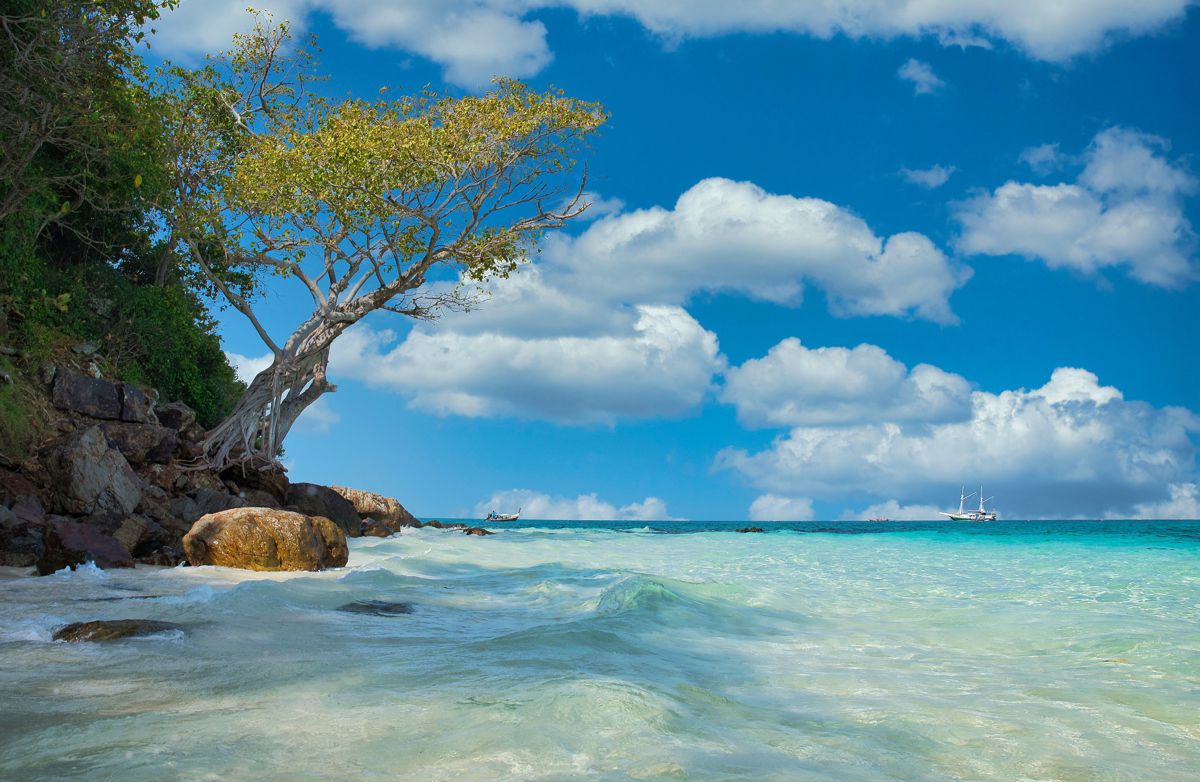
The wooden beach bungalow — a hut on stilts, a hammock on the porch, sand a few metres away — is the accommodation that built Thailand’s reputation as a backpacker destination in the 1970s and 80s. A great deal of it has since been replaced by concrete resorts, but the format survives, and on the right islands it survives well.
Finding it now requires knowing where to look, because the islands that still have simple bungalows are not the ones most people fly to.
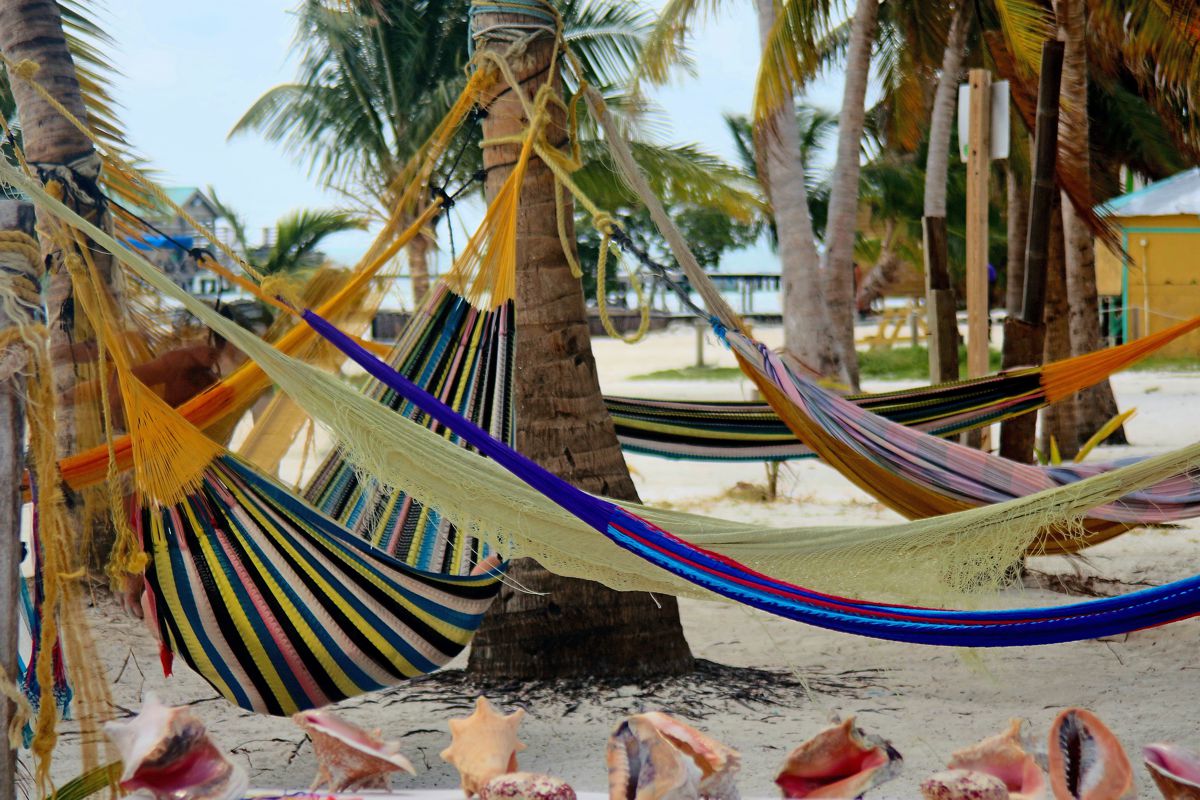
Where the bungalows still are
Koh Lanta
Long, quiet and considerably less developed than its neighbours, with a string of beaches down the west coast. The southern beaches — Kantiang Bay, Bakantiang and toward the national park — still have simple wooden bungalows alongside mid-range resorts. Family-friendly and relaxed rather than lively.
Koh Chang and Koh Kood
In the east near the Cambodian border. Koh Chang is larger and more developed; Koh Kood is one of the quietest islands in Thailand with genuinely undeveloped beaches and a mix of simple bungalows and a few high-end resorts.
Koh Tao
The diving island, and still one of the best for cheap beachfront accommodation. Sairee has the volume; the smaller bays on the east and south coasts — Tanote, Freedom, Sai Nuan — have the huts.
Koh Phangan, away from the full moon beaches
The north and east coasts of Phangan are a different island from Haad Rin. Bottle Beach, Thong Nai Pan and the coves reachable only by boat or rough track have simple accommodation and very little else.
Railay and Tonsai
On the mainland near Krabi but reachable only by boat, which keeps them feeling like islands. Tonsai in particular retains a climbing-community atmosphere with basic bungalows.
The smaller islands
Koh Yao Noi and Koh Yao Yai in Phang Nga Bay, Koh Jum, Koh Mook, Koh Kradan and Koh Phayam are where the format is most intact — few roads, limited electricity in places, and beaches with three or four bungalow operations rather than thirty resorts.
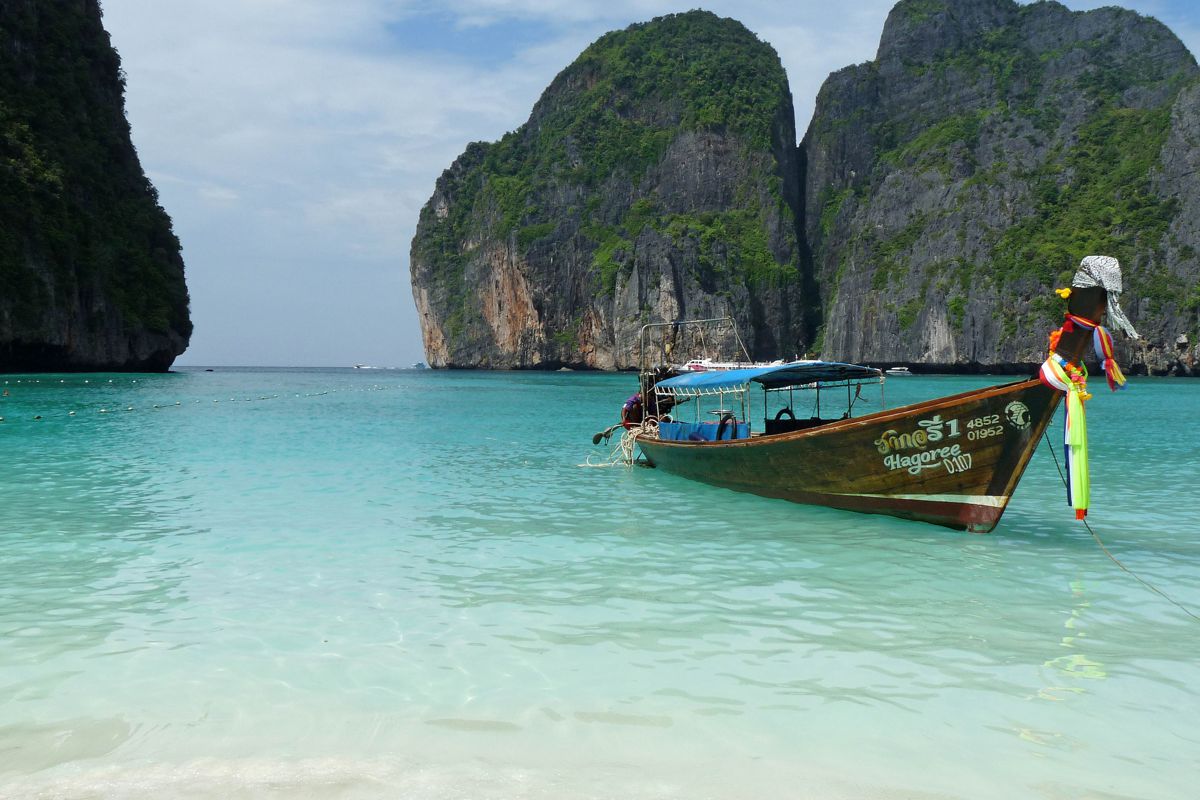
What a beach bungalow actually offers
The range within the category is wide.
Basic huts — bamboo or wood, fan only, cold water, mosquito net, shared or simple private bathroom. Very cheap, and increasingly rare on the popular islands.
Mid-range bungalows — solid wooden construction, air conditioning, hot water, a proper bathroom, a porch and often a small pool on site. This is the bulk of what is available now and it is good value.
Boutique bungalows — designed, comfortable, sometimes with outdoor bathrooms and private plunge pools, at rates approaching hotel prices.
The thing that has largely disappeared is the twenty-baht hut on the sand. What replaced it is generally better, and the beaches are the same.
What to check before booking
- Fan or air conditioning. A fan-only bungalow in April is genuinely uncomfortable. In the cooler months it is fine.
- Hot water, not universal at the basic end.
- Electricity hours. A few remote island properties run generators for limited hours.
- Mosquito screens and nets. Dengue is present in Thailand.
- Distance from the sand. Beachfront, second row and hillside are priced very differently and described loosely.
- Access to the island. Ferry frequency drops sharply in low season, and some routes stop entirely.
- Whether there is a road. On several islands the answer is partly.
- Wi-Fi, variable and often only in the restaurant.
Island-hopping practicalities
A bungalow trip usually means moving between islands, and the logistics are more involved than they look.
Ferries run to their own schedule. Frequency drops sharply outside high season, and some routes stop entirely. Check the current timetable rather than assuming — routes change year to year and information online is often stale.
Combination tickets covering bus, ferry and transfer are sold everywhere and are usually fine, though the connections are loose and delays cascade.
Do not book a tight connection to a flight. Rough seas cancel crossings, particularly on the Andaman side in monsoon season. Build in a night on the mainland before an international departure.
Two or three islands in two weeks is a sensible pace. Each move costs the best part of a day.
Cash. Several smaller islands have one ATM or none, and bungalow operations often take cash only. Withdraw on the mainland.
What a week on a bungalow beach is like
The appeal is genuinely about the rhythm rather than the room.
Days shape themselves around the heat — swimming and walking in the morning, shade and a hammock through the middle, back to the water in the late afternoon. Meals happen at the same three or four places, and by the third day the staff know what you order.
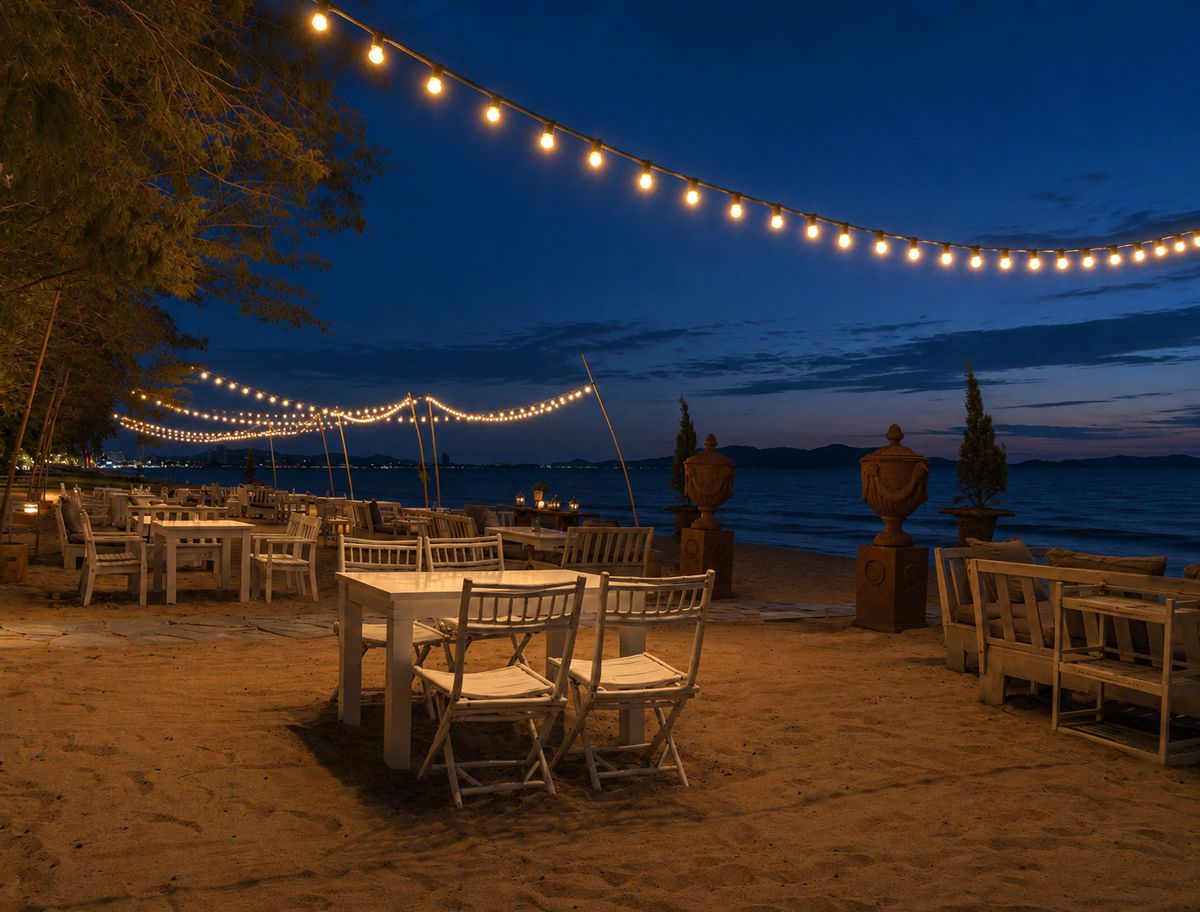
The evening is the part people remember: tables on the sand, low lights, and almost nothing else to do. On islands without a road along the coast, the only movement after dark is the odd longtail engine.
What you give up is choice. Two restaurants rather than fifty, no nightlife beyond a bar with a speaker, and a shop that sells water, beer and sun cream. For a week that is restorative. For longer, most people want to move.
The practical corollary is to pick the island for how you want to feel rather than for the photograph. Every Thai island beach photographs the same way. What differs is whether there are two hundred people on it or twelve.
Seasons matter enormously
Thailand has two coasts with opposite seasons, and this determines everything.
The Andaman coast — Phuket, Krabi, Lanta, Phi Phi, the Trang islands — has high season from roughly November to April and a southwest monsoon from May to October with rough seas and reduced ferry services.
The Gulf coast — Samui, Phangan, Tao, Koh Chang — runs on a different pattern, with the wettest months around October to December and generally good conditions from January through September.
This means there is always somewhere with good weather. It also means a low-season Andaman island can have half its bungalows closed and a ferry running once a day.
Our Phuket travel guide covers the main Andaman gateway, our roundup of beachfront hotels in Phuket covers the more developed alternative, and our guide to what to know before your first trip to Thailand covers the practicalities.
Is it still worth it?
Yes, on the right island. The bungalow format at its best is a genuinely different way to spend a week — you are on a beach rather than in a resort on a beach, meals are at a shack on the sand, and the pace is set by the tide and the ferry timetable.
The mistake is expecting 1985 prices and 1985 emptiness on islands that now have airports. Go one island further than the obvious choice and the format is intact.
FAQ
Where can you still find simple beach bungalows in Thailand?
Koh Kood, Koh Phayam, Koh Jum, Koh Yao Noi and the smaller Trang islands retain the format best. On the busier islands, look at the quieter bays — the east and south coasts of Koh Tao, the north of Koh Phangan, and southern Koh Lanta.
Are beach bungalows in Thailand cheap?
Basic fan bungalows remain very inexpensive where they survive. Most of what is available now is mid-range — air conditioning, hot water, a pool on site — at rates still far below equivalent beachfront accommodation elsewhere in the world.
Which coast should you choose and when?
The Andaman coast from November to April, and the Gulf coast for most of the rest of the year. The two coasts have opposite seasons, so there is almost always somewhere in Thailand with good beach weather.
Do beach bungalows have air conditioning?
Mid-range ones usually do; the cheapest are fan-only. In the hottest months from March to May, fan-only accommodation is genuinely uncomfortable, so check before booking if you are travelling then.
Recent Comments